
Last updated November 24, 2026
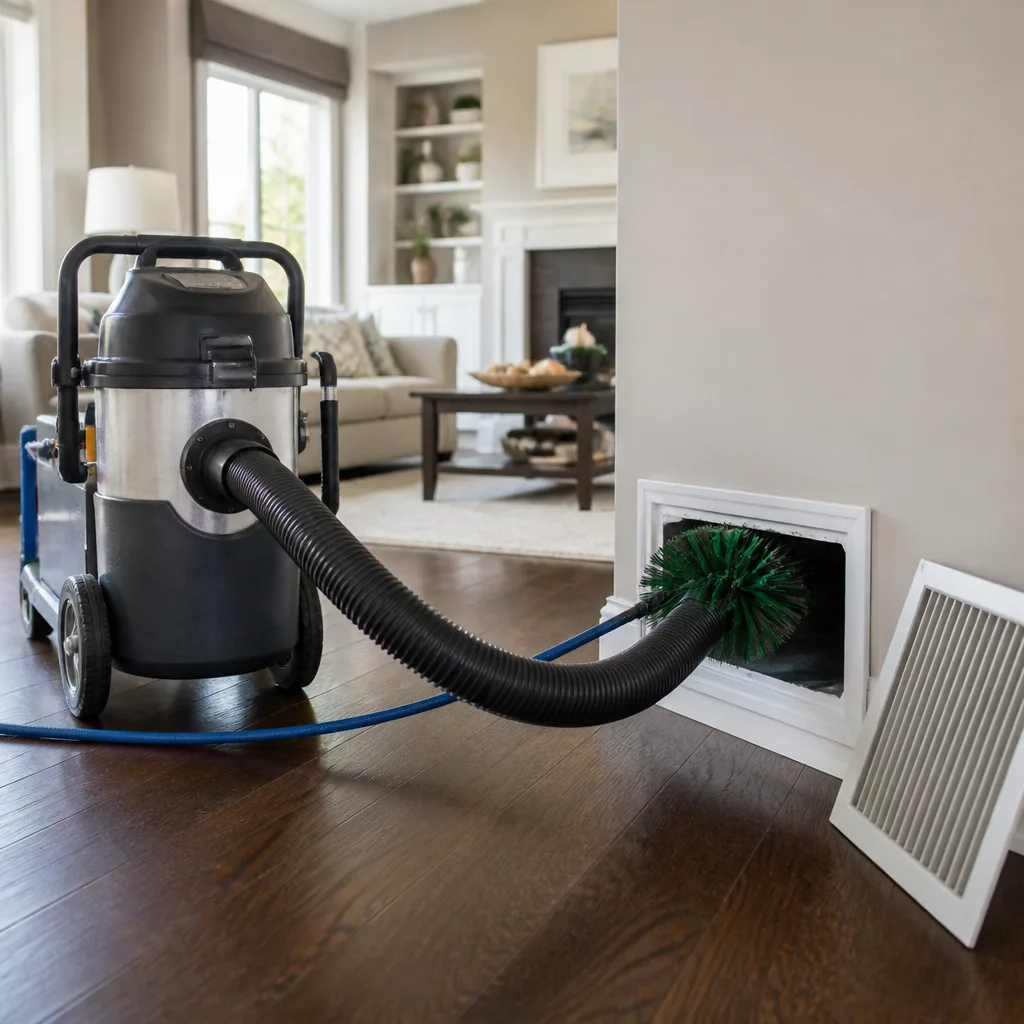 Whole-home duct cleaning
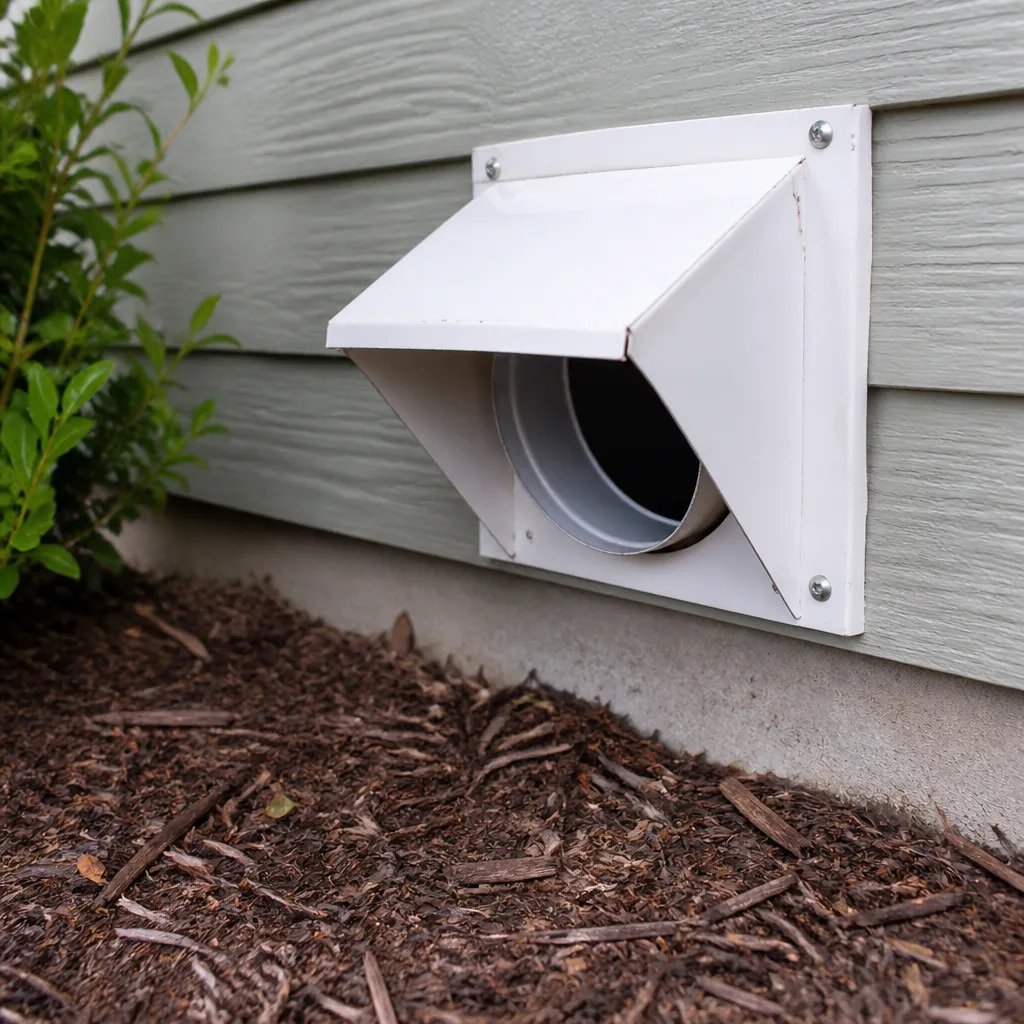 Dryer vent cleaning
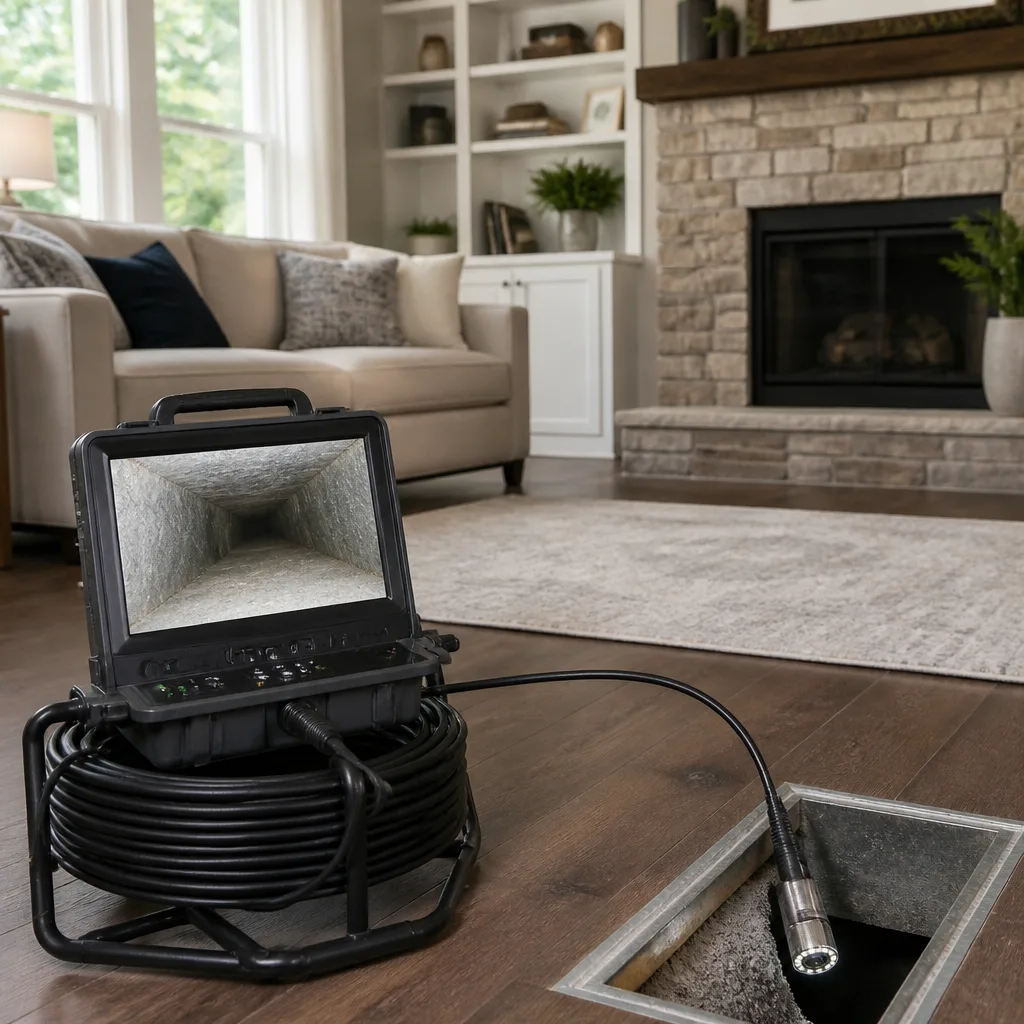 Camera inspection
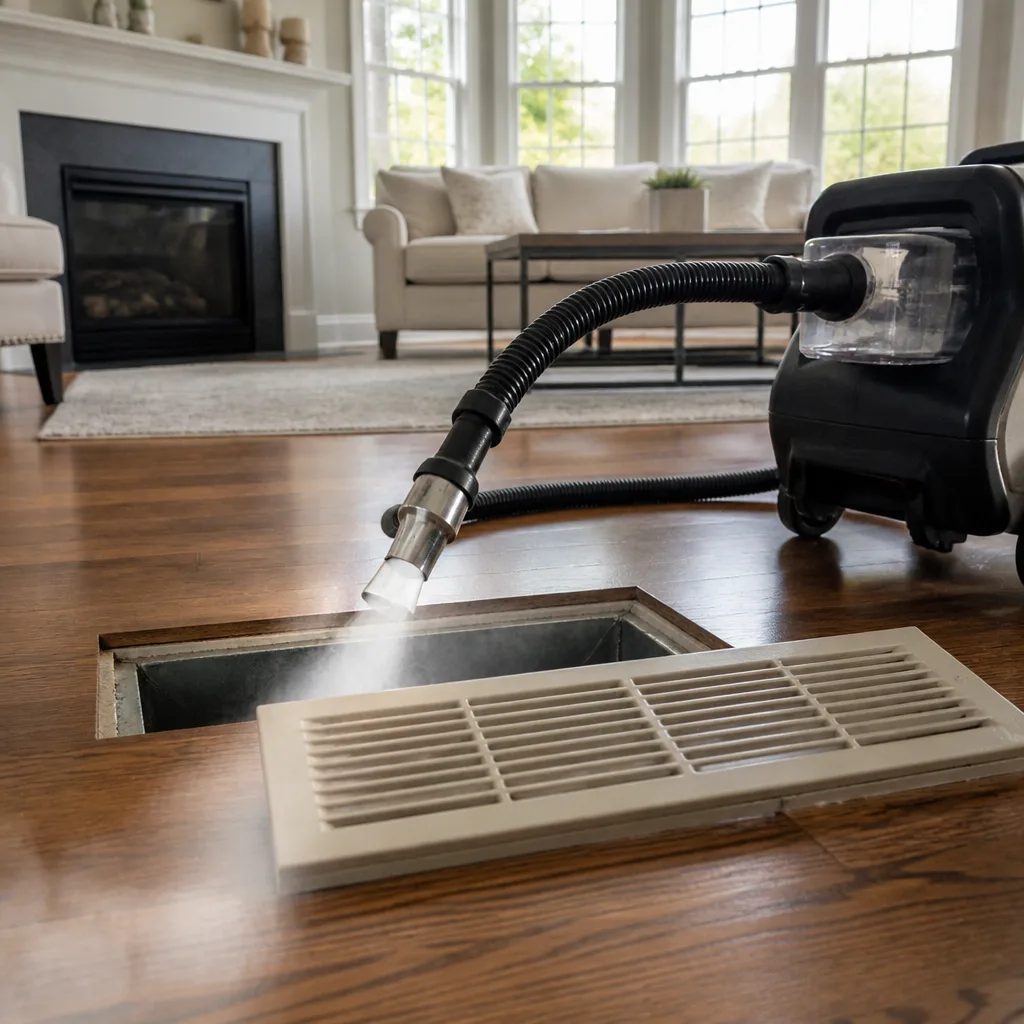 Sanitizing & deodorizing
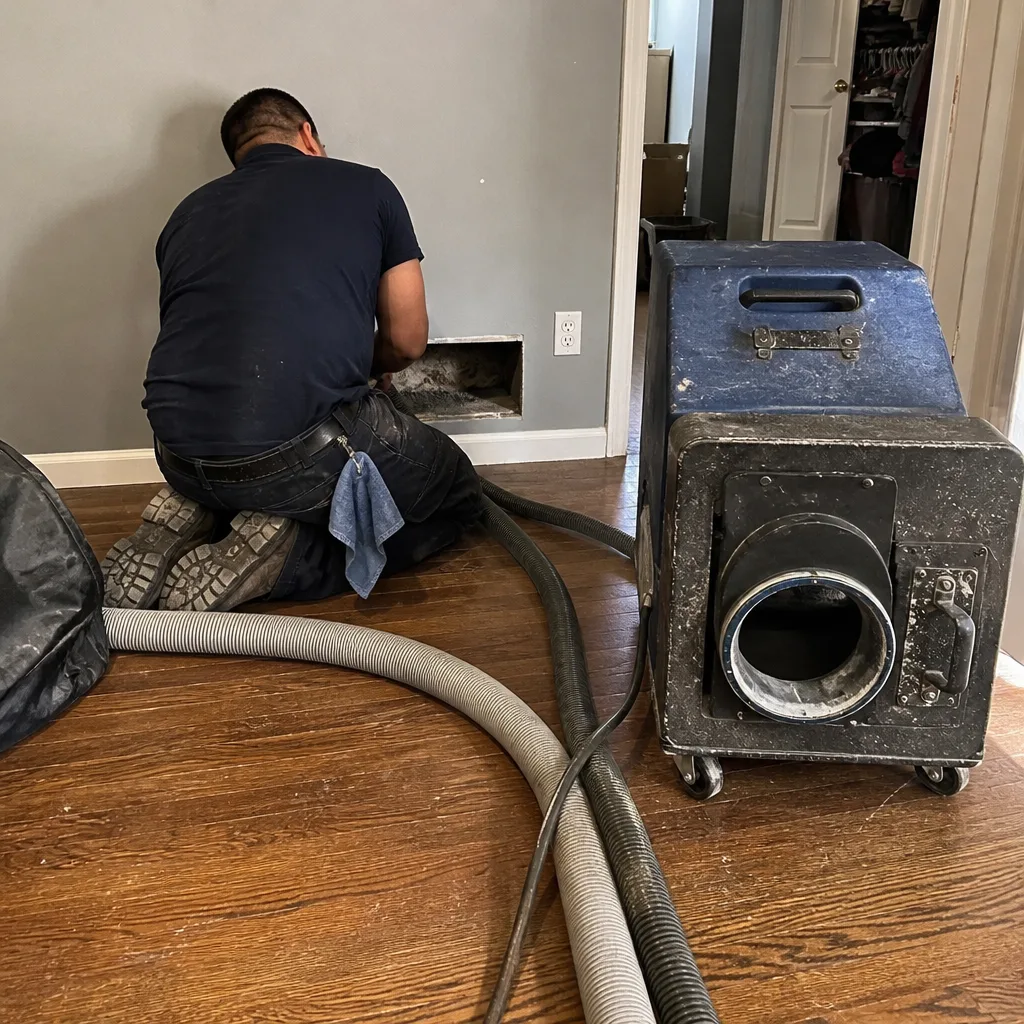
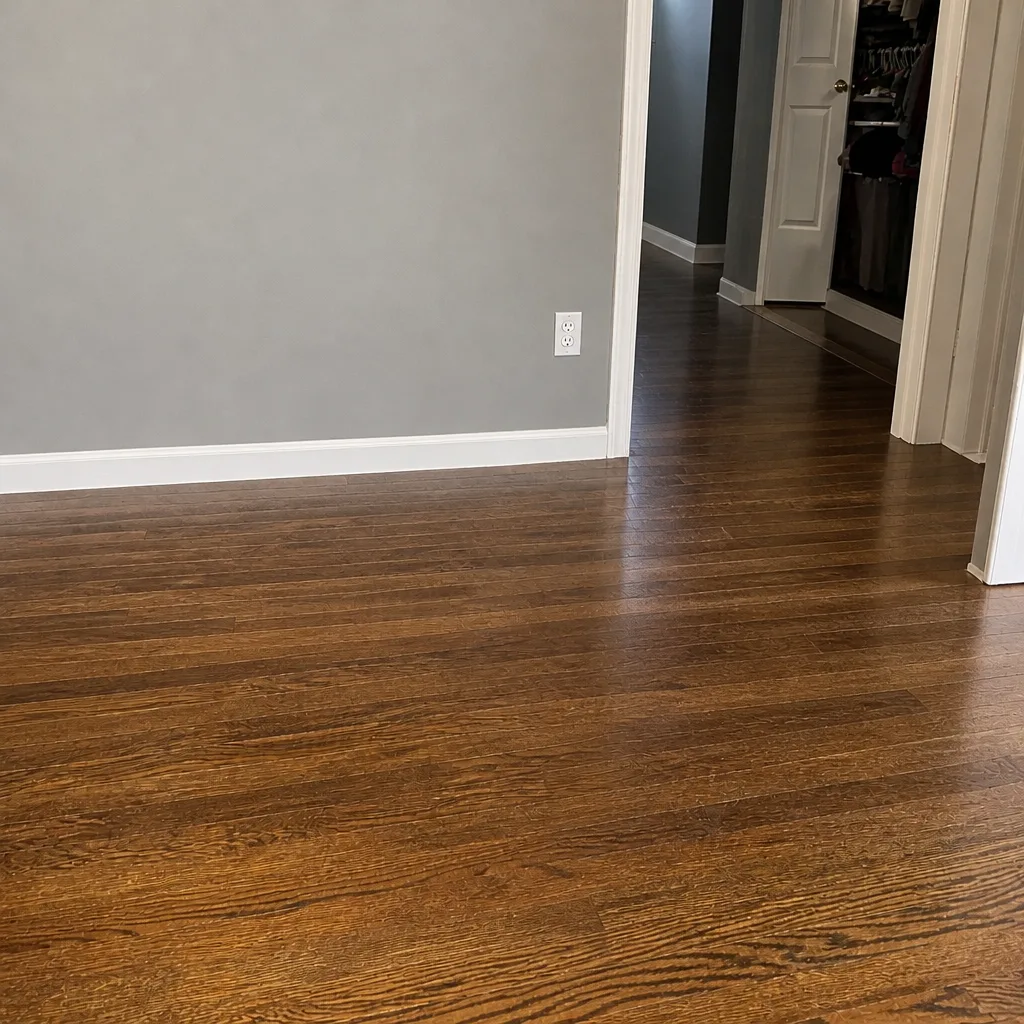
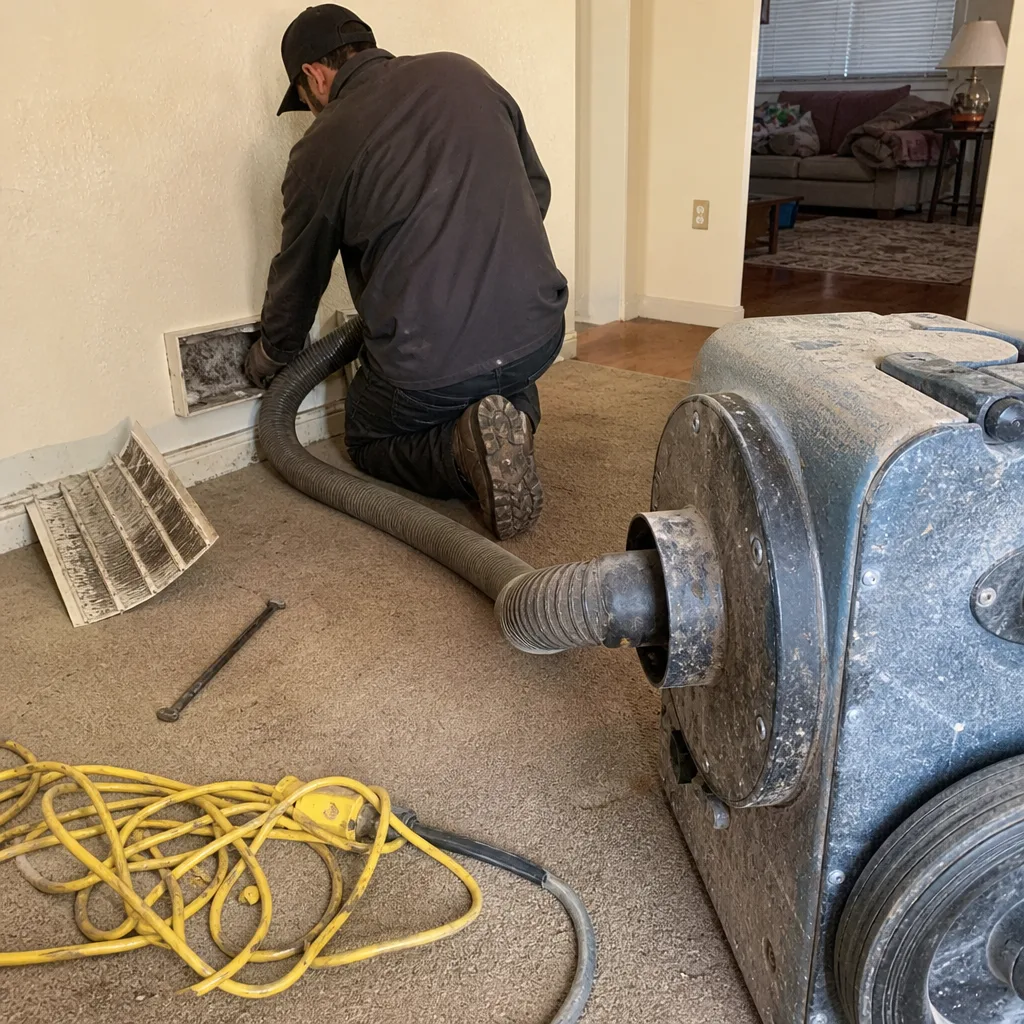
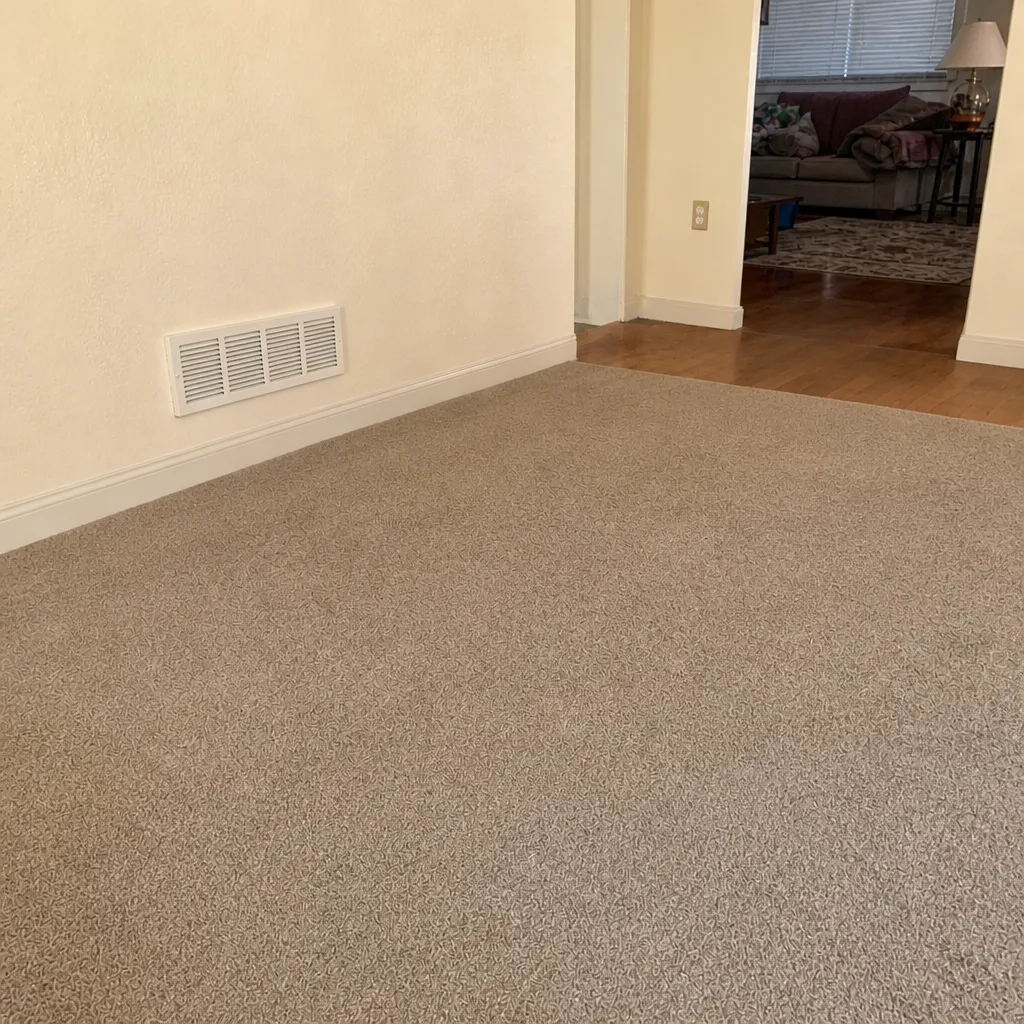
Whole-system duct and dryer vent check with before-and-after photos - you see exactly what came out of your vents
That "$99 whole-house special" is a bait ad - the real number appears once they are in your hallway, or the "clean" is a shop-vac at the register. We photograph the inside of your ducts before and after instead.
Air Duct Cleaning Warning Signs: A Harvey Park Homeowner’s Reference Guide
Most guides to duct problems tell you to look for dusty registers. That advice is fine as far as it goes, but it misses the clues a Harvey Park homeowner actually needs. By the time dust coats a vent face, the buildup behind it has often been there a while. The better indicators are quieter: a utility bill that climbs in a mild month, a bedroom that never quite reaches its setpoint, a door that drifts shut on its own when the furnace kicks on. This guide walks through those less obvious signals, what each one points to, and when a professional inspection is worth requesting.
Quick Answer
The strongest air duct cleaning warning signs are not visible dust but changes in how your system performs: rooms that stop reaching their setpoint, weak airflow at registers, doors that move when the HVAC runs, musty or burning odors timed to a cycle, and a 15 to 20% unexplained rise in HVAC energy use. Any one of these is worth an inspection; two or three together usually means the problem is in the duct system itself.
Styles & brands we work with
- Whole-home duct cleaning
- Dryer vent cleaning
- Camera inspection
- Sanitizing & deodorizing
Table of Contents
- Pressure and Airflow Indicators Most Homeowners Miss
- What Your Utility Bill Pattern Is Telling You
- Odor Diagnostics: Musty, Burning, and Chemical
- Post-Renovation Red Flags in Harvey Park Homes
- What a Camera Inspection Reveals That a Vent Check Cannot
- Your Dryer Vent Is a Separate Warning System
- Why Harvey Park’s Seasons Stress the Duct System
- A Step-by-Step Diagnostic You Can Run Yourself
Pressure and Airflow Indicators Most Homeowners Miss
Duct systems live or die by pressure balance. When a trunk line leaks, a branch is crushed, or a run is choked with debris, the system stops delivering air the way it was designed to. The symptoms show up as small behaviors you’d otherwise ignore. A bedroom that held 70 degrees all winter suddenly sits at 66 no matter what you set. A register near the floor has a weak, lazy throw instead of the strong directed stream it used to have. A door in the hallway won’t stay where you put it, drifting open or closed whenever the blower runs.
That door movement is more meaningful than it looks. Interior doors act as pressure gauges. When a return path is restricted, the HVAC system pulls air from wherever it can, and a door becomes the path of least resistance. If a door in your Harvey Park home has started swinging on its own during heat or cool cycles, that’s a pressure imbalance worth checking before it becomes a compressor or blower motor problem.
Here’s what to watch for:
- Uneven room temperatures: one or two rooms run consistently 3 to 5 degrees off while the rest of the house is fine.
- Weak register throw: air comes out but doesn’t reach across the room.
- Whistling or whooshing at registers: the system is forcing air through a restriction.
- Doors that move when the HVAC runs: a sign of pressure imbalance between supply and return.
- System runs longer to hit the same setpoint: a strong sign the equipment is working harder to move the same air.
- Cold or hot spots that shift with the seasons: the duct routing may not be balancing loads correctly.
None of these signals is a sure diagnosis on its own. But three or four of them together, sustained over a few weeks, point clearly at the duct system rather than the equipment. Our technicians have up to 12 years of experience reading these patterns, and the first step in any air duct cleaning assessment is understanding which symptom the homeowner is actually experiencing.
What Your Utility Bill Pattern Is Telling You
This is the signal most homeowners overlook because it doesn’t look like a duct problem at all. A sudden increase in your Xcel Energy bill during a mild-weather month, when neither heating nor cooling should be working hard, is one of the strongest early indicators of duct leakage or blockage. The equipment is running longer to move the same air, and the meter records it. Standard “signs you need duct cleaning” lists almost never mention this, yet it’s often the first hard data point a homeowner has.
A 15 to 20% unexplained increase in HVAC energy use typically points to one of three things: leaking ducts losing conditioned air into an unconditioned space like an attic or crawlspace, restricted airflow making the blower work harder, or a duct run that has separated and is dumping air it never delivers. In a Harvey Park home with ducts routed through an attic, that loss is especially wasteful because the conditioned air is escaping into a space that’s already working against you.
To get useful information from your bill, do this comparison:
- Pull the same billing month from the previous two years.
- Compare the total and the usage figure (therms or kWh), not just the dollar amount, since rates change.
- Look for a jump that doesn’t match the weather. A mild April with a big usage spike is a real signal.
- Check whether the increase persists across two or three billing cycles rather than one outlier month.
If your usage is up 15% or more with no obvious cause in occupancy or weather, an inspection is warranted. Cleaner ducts mean your HVAC works less to move the same air, and that shows up on the bill before it shows up as a failed part. That’s a good reason to book a free estimate and let a professional confirm what the pattern is pointing to.
Odor Diagnostics: Musty, Burning, and Chemical
Smell is a reliable diagnostic tool once you know how to read it. The trick is timing: what a smell is, and when it appears, together tell you much more than the smell alone. A musty odor, for example, usually points to biological growth inside the ductwork itself, especially in a humid summer or after a wet season. The confirmed source matters because sanitizing a system with HVAC cleaning is a different job from scrubbing a coil fins and air handler.
| Odor | Timing | What it usually indicates |
|---|---|---|
| Musty, earthy, damp | Strongest at first system start | Biological growth in ducts, air handler, or coil |
| Burning dust | First heat cycle of the season, fades in a day | Normal dust burn-off on the heat exchanger |
| Burning dust | Persistent, every heat cycle | Dust buildup on the heat exchanger or in the ducts |
| Chemical or plastic | Any time the furnace runs | Equipment issue, not a duct cleaning matter |
| Sour, dirty-sock smell | Strongest when the fan runs | Moisture and microbial activity in the system |
The burning smell is the one that confuses people most. A faint dusty smell on the first heat cycle of the season, lasting an hour or two, is normal. A burning smell that returns every time the furnace runs, or that gets stronger over time, means dust is accumulating somewhere it shouldn’t. In that case, stop running the system and have it looked at. Our team uses remediation-grade Abatement Technologies filtration equipment specifically because odor complaints often involve contaminants that a standard vacuum pass won’t address. If a smell is paired with a headache or eye irritation, treat it as an urgent air quality issue and call for an inspection promptly.
Post-Renovation Red Flags in Harvey Park Homes
Any remodel should trigger a duct inspection. This is the single most overlooked rule in home air quality, and it applies directly to the mid-century and ranch-style homes throughout Harvey Park, where a kitchen or bath renovation is common and the duct system is often original. During demolition and drywall work, fine particles get pulled into the return ducts and settle throughout the system. Drywall dust is not just messy. It’s alkaline, and it’s corrosive to the copper and aluminum fins on your evaporator coil. Once it coats those fins, the coil can’t transfer heat efficiently, and you’re looking at a much bigger repair than a cleaning.
In our experience across Harvey Park, the pattern repeats: a homeowner finishes a bathroom remodel, and within a season the AC stops cooling as well as it used to. The compressor is fine. The coil is buried. Duct cleaning after a renovation catches that dust before it migrates to the air handler.
Here’s the post-renovation cleaning sequence we recommend:
- Seal off registers in rooms where work is happening during demolition.
- Change the HVAC filter at the end of the project, before the system runs again.
- Schedule a duct inspection within 30 days of finishing the drywall, not months later.
- Ask for a camera check of the main trunk and the coil.
- Clean and, if needed, sanitize before turning the system back to normal use.
If you’ve had renovation work done without a duct check afterward, that’s a reason enough to call. The dust doesn’t clear itself, and the coil won’t protect itself. For homeowners dealing with a leaky or disconnected run discovered during renovation, our air duct cleaning Harvey Park service handles the repair and sealing as part of the same job, so you’re not handed off to a separate contractor.
What a Camera Inspection Reveals That a Vent Check Cannot
A visual check of your registers tells you almost nothing about the duct behind them. The register face is the last 6 inches of a duct run that’s often 20 to 40 feet long. Smell gives you a hint. A camera gives you the truth. Professional duct inspection equipment runs a flexible camera through the main trunk and the branch runs, and what shows up on the monitor is the only way to know whether the buildup is a little surface dust or something structural.
Here’s what a camera inspection reveals:
- Debris volume: how much accumulation actually exists, and where it’s concentrated.
- Duct condition: separated joints, crushed flex runs, torn interior liner, or disconnected sections dumping air into the attic.
- Biological growth: visible moisture or microbial activity that a smell alone can only suggest.
- Drywall dust: fine white powder coating the duct walls after a renovation.
- Obstructions: a foreign object, a collapsed section, or a vent that was covered over during a remodel.
So when is a camera inspection worth requesting before committing to a cleaning? Request one whenever the symptoms are ambiguous, when you’re post-renovation, when you’ve just bought a home, or when a quote you received felt suspiciously cheap. A cleaning crew that won’t run a camera before quoting is guessing. Our Rotobrush contact cleaning system physically agitates and removes buildup; a vacuum alone doesn’t, and no machine is worth running until someone has actually seen what’s in the duct. We use Rotobrush and Nikro professional rotary-brush and HVAC cleaning systems because they’re the same tools commercial contractors rely on, and the inspection comes first.
Your Dryer Vent Is a Separate Warning System
Most homeowners treat the dryer vent as an appliance accessory. It’s not. A clogged dryer vent is a fire hazard, and lint accumulation is one of the most under-addressed safety issues in residential homes. The signs are easy to mistake for an aging dryer: clothes take two cycles to dry, the dryer feels hot on the outside or on the door, the lint trap fills faster than it used to, or you can’t feel a strong warm airflow outside at the exhaust flap.
In Harvey Park, where laundry rooms are often tucked into a hallway or a closet with a long vent run to an exterior wall, the length of that run matters. Longer runs collect more lint. If your vent travels more than 15 to 20 feet, or has multiple elbows, it deserves a check more frequently than a short straight run.
Here’s when to call for a dryer vent cleaning:
- Dryer takes noticeably longer to dry a load than it did a year ago.
- The exterior vent flap doesn’t open fully when the dryer runs.
- You see lint around the dryer body or behind it.
- The dryer shuts off before the load is dry.
- You can’t remember ever having the vent cleaned.
This is a documented fire-risk reduction service, not an upsell. If you’ve never had one done, or you’ve moved into a home where you don’t know the vent’s history, request a dryer vent cleaning at the same time as any duct work. It’s efficient to handle both in one visit.
Why Harvey Park’s Seasons Stress the Duct System
Harvey Park’s climate is hard on air systems. Summers bring dry, hot stretches and sudden afternoon storms; winters bring cold snaps that push the furnace to its limit and dry air that aggravates respiratory issues. Those swings matter because a duct system that’s fine in April can show real problems in July. The equipment runs hard during the extremes, and leaks or restrictions that stayed quiet in mild weather become obvious when the system is being pushed.
Two specific effects stand out:
- Dry winter air and dust: low humidity lets dust become airborne more easily, so it recirculates through the system and settles on surfaces. Static and dust complaints spike.
- Summer storms and moisture: a wet spring or a humid stretch can put moisture into a system that later shows up as musty odor or microbial growth. Harvey Park’s older homes with attic-routed ducts are especially vulnerable.
Harvey Park also has a large inventory of mid-century homes, and many still have original or partially replaced duct systems. That means mixed duct types in a single house: rigid metal in the trunk, flex in a newer addition, maybe a run that was disconnected during a previous remodel. Each material ages differently, and problems at the joints are the most common failure point.
Our brand carries professional equipment from Rotobrush, Nikro, and Abatement Technologies because the right tool depends on what the inspection finds. And because we also stock and service Aprilaire and Honeywell air quality products, we can extend a job beyond cleaning into whole-home air quality improvement, which matters in a climate where filtration and humidity control make the system more comfortable year-round. Sealing and repair work with our air duct cleaning Harvey Park service, so a leak found during cleaning gets fixed, not just noted on a report.
A Step-by-Step Diagnostic You Can Run Yourself
You don’t need special tools to catch most of these warning signs at home. A flashlight, a few minutes, and a notebook will get you a long way. Here’s the sequence we’d suggest for any Harvey Park homeowner who wants a clearer picture before calling.
- Walk every room while the system runs. Check that each register has a strong, steady throw. Note any room where airflow is weak.
- Check the temperature in each room. A thermometer left in a few rooms for 20 minutes tells you whether they’re staying within 2 to 3 degrees of setpoint.
- Watch the doors. Leave one interior door partway open and see if it moves when the blower starts. If it does, note the room.
- Smell carefully and note the timing. Is the odor present at startup, mid-cycle, or constantly? That timing narrows the cause.
- Pull your last three utility bills. Compare usage, not dollars, and flag any unexplained increase.
- Look behind the register covers. Remove one or two supply grilles and shine a light inside. You’re looking for heavy dust, debris, or anything unusual.
- Check the dryer vent outside. Turn the dryer on and feel the airflow at the exterior flap. Weak airflow is a warning sign.
- Write down what you found. A short list is more useful to a technician than a vague complaint about air quality.
This is a diagnostic, not a repair plan. You shouldn’t be opening duct work, disconnecting flex runs, or reaching into restricted spaces. If you find anything that looks like a real problem, that’s the point at which to call a professional. Our technicians have up to 12 years of experience reading these signals, and the visit is free.
Common Mistakes to Avoid
- Treating dust as the only warning sign. Visible dust is the last thing most people notice. Airflow changes and bill spikes appear first, and they’re more reliable.
- Calling for a cleaning without a real inspection first. A company that quotes over the phone without a camera or a walkthrough isn’t diagnosing anything. You want inspection to lead cleaning, not the reverse.
- Waiting until the HVAC breaks. By the time the compressor or blower fails, the duct problem that caused it has been present for a while. Cleaner ducts mean the equipment works less to move the same air, and that’s cheaper than a new unit.
- Skipping the post-renovation check. Drywall dust is alkaline and corrosive to coil fins. Waiting until the air handler is buried is far more expensive than the cleaning.
- Ignoring the dryer vent. It’s a fire-risk reduction item, not a side service. Harvey Park’s long, elbowed vent runs make it worth checking regularly.
- Accepting the cheapest quote. A low teaser price that becomes a much larger invoice once the technician is on-site is this industry’s oldest move. Ask what’s included before the work begins.
- Believing one cleaning lasts a lifetime. How often you need it depends on the climate, the system, and your household. A good professional will tell you honestly.
See the difference
 Before
 After
 Before
 After
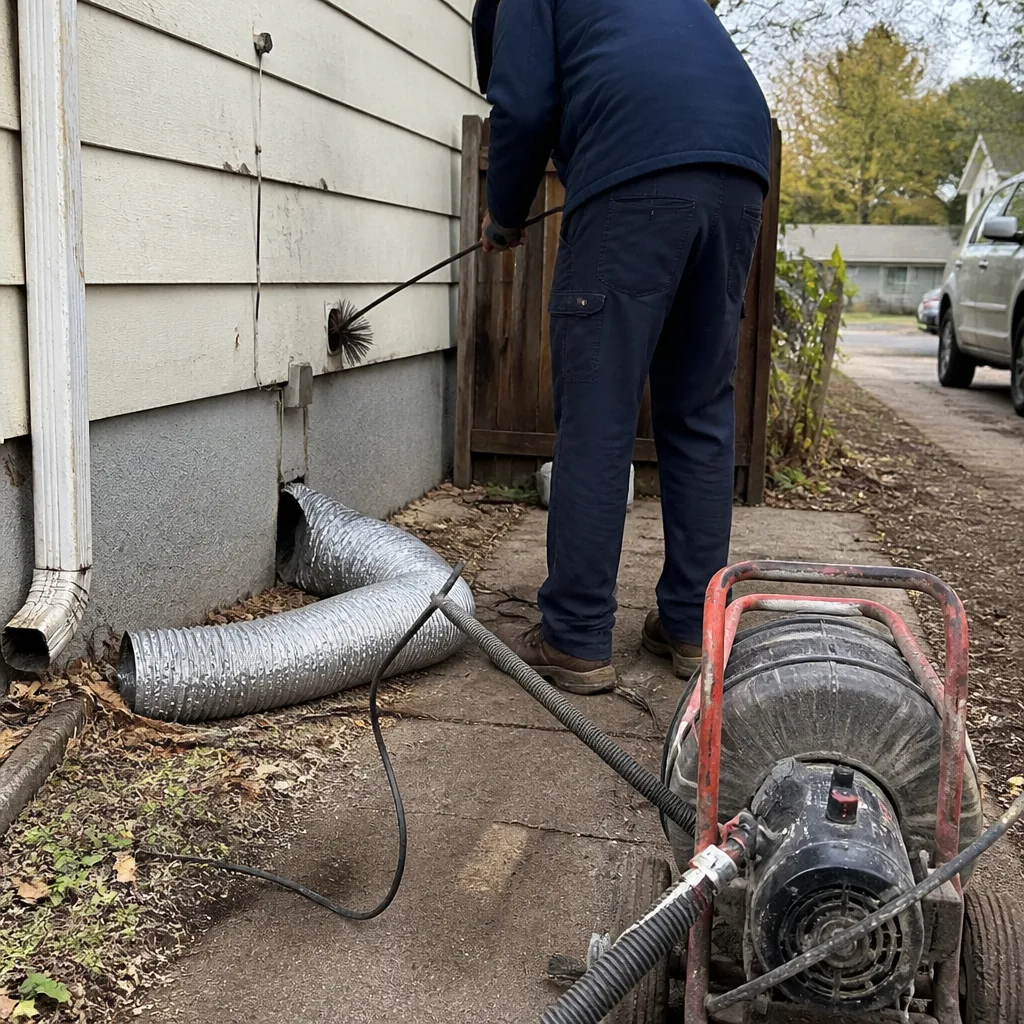 Before
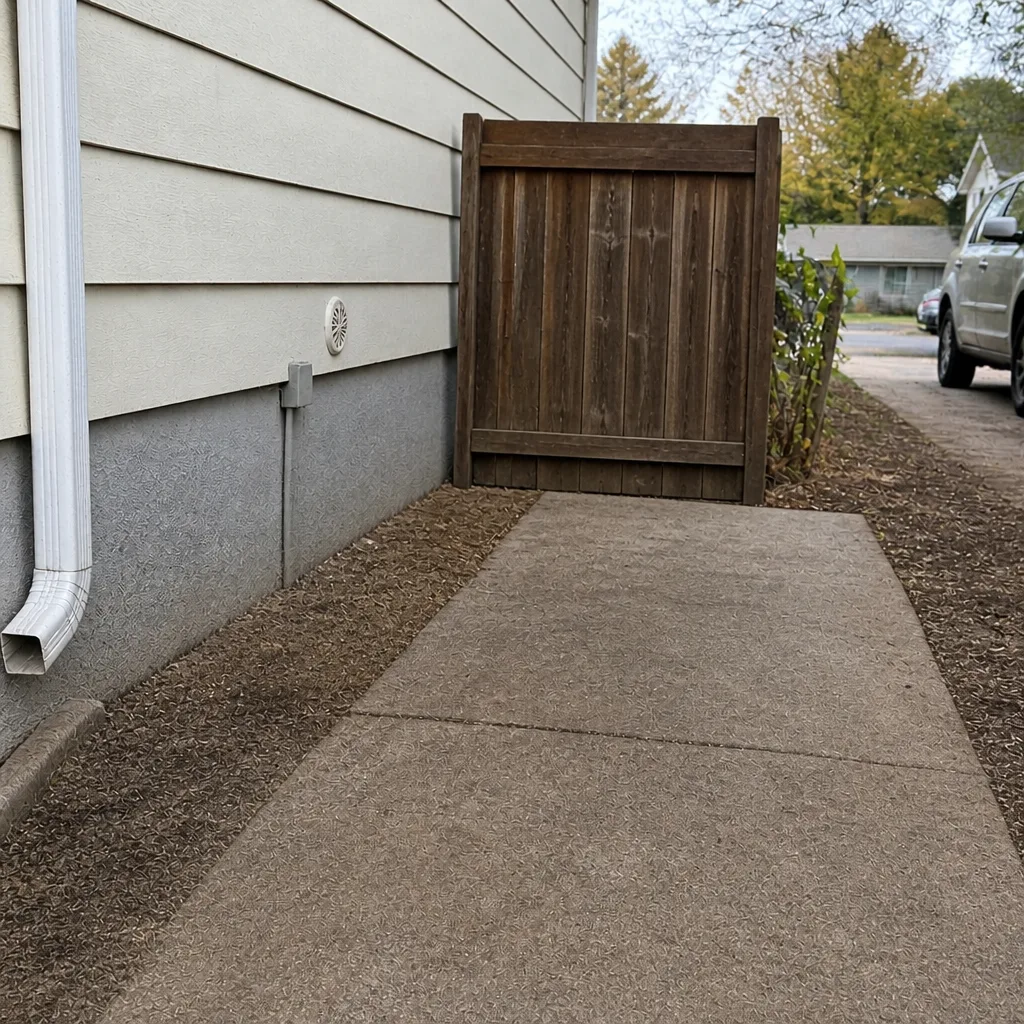 After
When to Call a Professional
Call us when two or three of these symptoms are present at once: rooms that won’t reach setpoint, weak register throw, doors that move with the blower, persistent musty or burning smells, a 15 to 20% jump in HVAC energy use, or a recent renovation. Call sooner if you smell something chemical or feel an odor is affecting your breathing. And call before you accept a suspiciously cheap duct cleaning quote, because the inspection that leads a good job is worth more than the teaser price. Air Duct Cleaning Harvey Park offers free estimates in Harvey Park. Call (833) 660-4969. We answer 24/7. Fast dispatch from 7am to 7pm, Sunday through Friday. One flat price per system is agreed before work starts, and you get before-and-after photos of your own ducts, so you know the job was actually done.
Frequently Asked Questions
Most homes in Harvey Park do fine with a professional cleaning every 3 to 5 years, but that’s a floor, not a rule. Homes with pets, recent renovations, allergy sufferers, or original mid-century ductwork may need it more often, while a newer, well-sealed system can go longer. The reliable trigger is your system’s behavior, not a calendar. Call (833) 660-4969 for an inspection so the timing is based on your house, not a guess.
Cheap quotes are usually cheap for a reason: a vacuum pass without real contact cleaning, no camera inspection, and a price that grows once the technician is on-site. The honest alternative is one flat price per system, agreed before work begins, with before-and-after photos of your ducts. Ask any contractor what equipment they use and whether they inspect before cleaning. Call (833) 660-4969 for an exact quote. Estimates are free.
Ask for before-and-after photos of your own ducts, not stock photos. A professional will show you the inspection findings, take photos during the work, and provide them to you at the end. Our Rotobrush and Nikro equipment physically agitates and removes buildup during the job, and the camera check confirms the result. Call (833) 660-4969 to book an inspection and see the process first.
Yes. Leaks and restrictions force the blower and the compressor to work harder to deliver the same air, and the extra runtime shows up on the meter. A 15 to 20% unexplained increase in HVAC energy use, especially in a mild month, is one of the strongest early indicators of a duct problem. Call (833) 660-4969 for an inspection and a clear answer on what’s driving the usage.
Request a camera inspection whenever the symptoms are ambiguous, after a renovation, or if you’ve just bought the home. A visual check of your registers only sees the last 6 inches of each run, and smell only suggests what might be wrong. The camera shows the actual condition of the trunk and branches. Call (833) 660-4969 to schedule one before committing to any cleaning.
Usually, yes. Lint buildup in the vent restricts airflow, so heat stays trapped and drying slows down, and the vent becomes a fire risk. If the vent run in your Harvey Park home is long or has several elbows, the accumulation happens faster. Book a dryer vent cleaning alongside any duct work. Call (833) 660-4969 to get it checked.
The Bottom Line
Your system’s behavior is a better guide than any cleaning schedule. Watch for rooms that stop reaching setpoint, weak register throw, doors that move when the HVAC runs, musty or persistent burning odors, a sudden rise in your utility bill, and any recent renovation, because each of these points to something specific in the duct system. A camera inspection is how you confirm what’s actually there, and the right equipment, the same professional tools commercial contractors use, is how the problem gets fixed. If two or three warning signs are showing in your Harvey Park home, that’s enough reason to get an inspection. It’s free, it’s the only way to know, and one flat price per system follows the written estimate.
Call (833) 660-4969. We answer 24/7. Fast dispatch from 7am to 7pm, Sunday through Friday. Free estimates, before-and-after photos, and a written price before any work starts.
Written by the team at Air Duct Cleaning Harvey Park.