
Last updated November 24, 2026
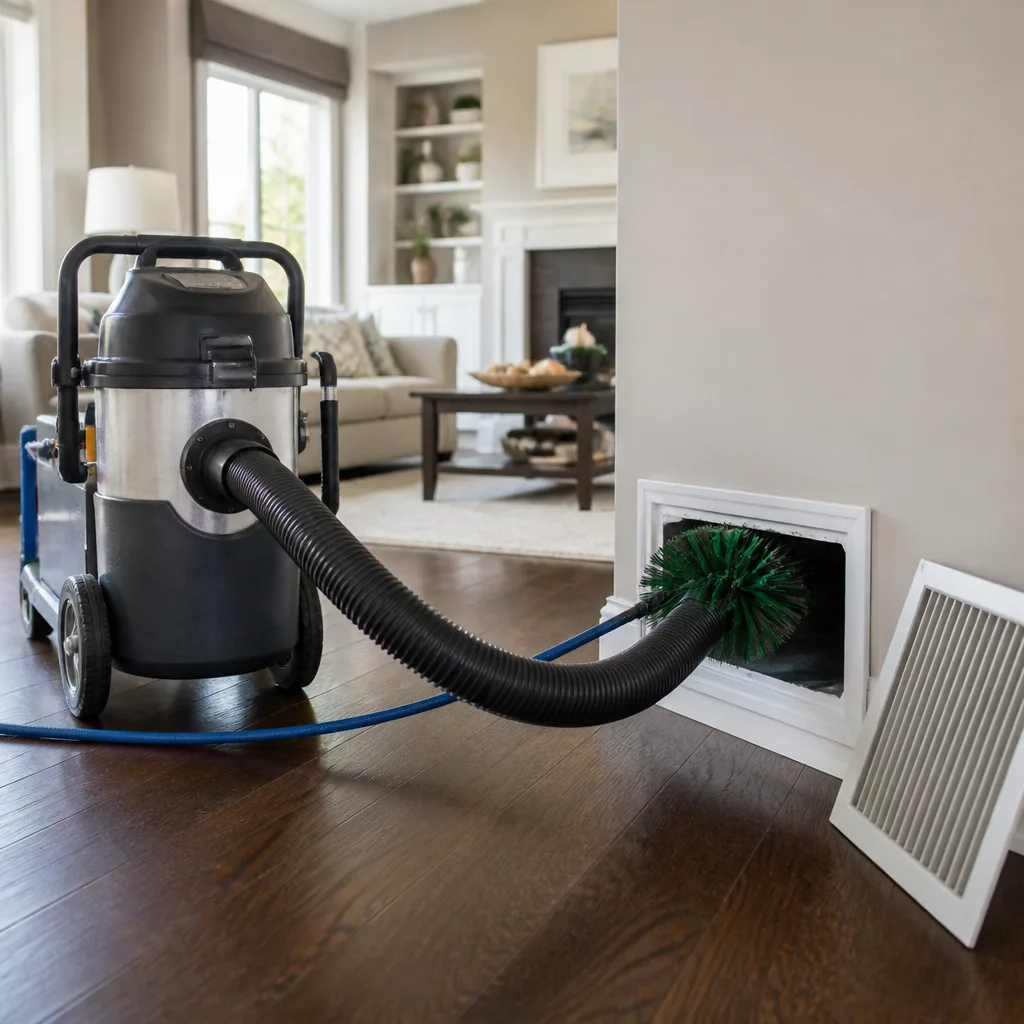 Whole-home duct cleaning
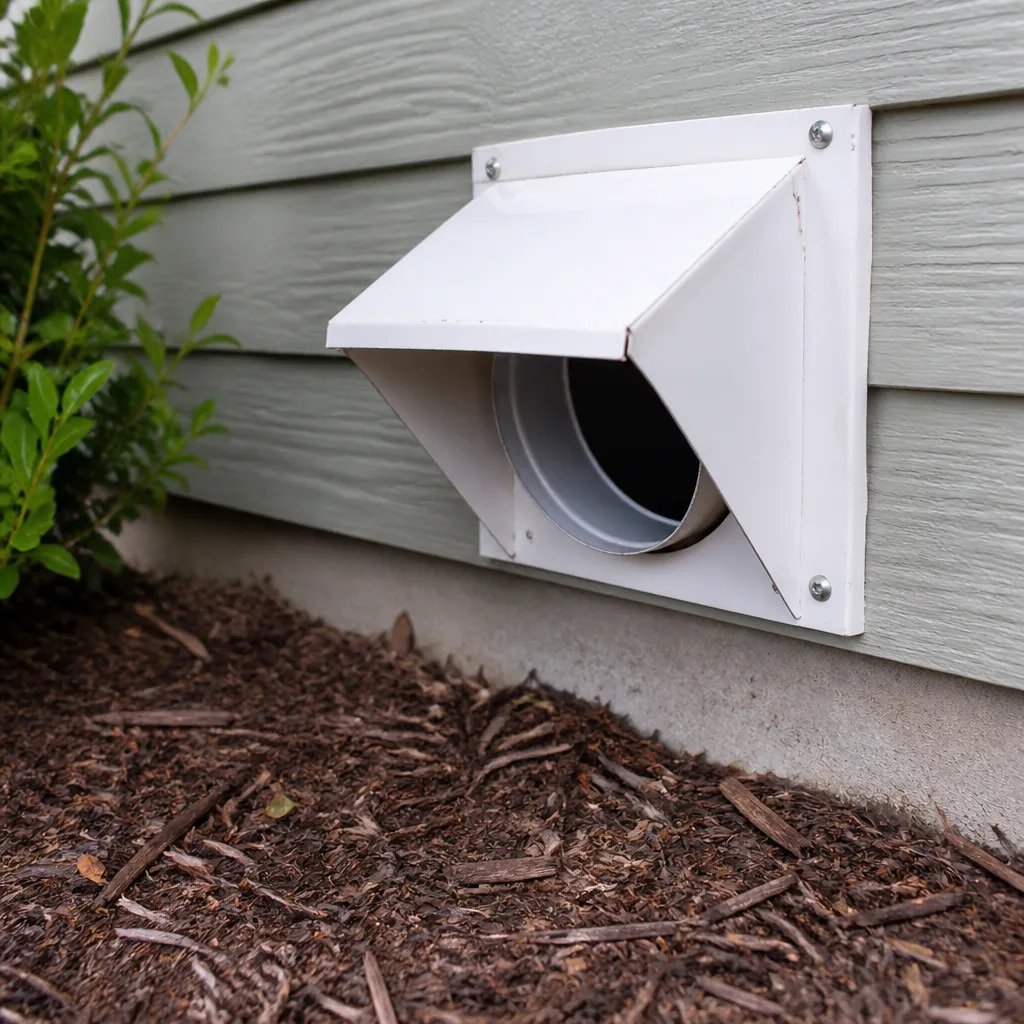 Dryer vent cleaning
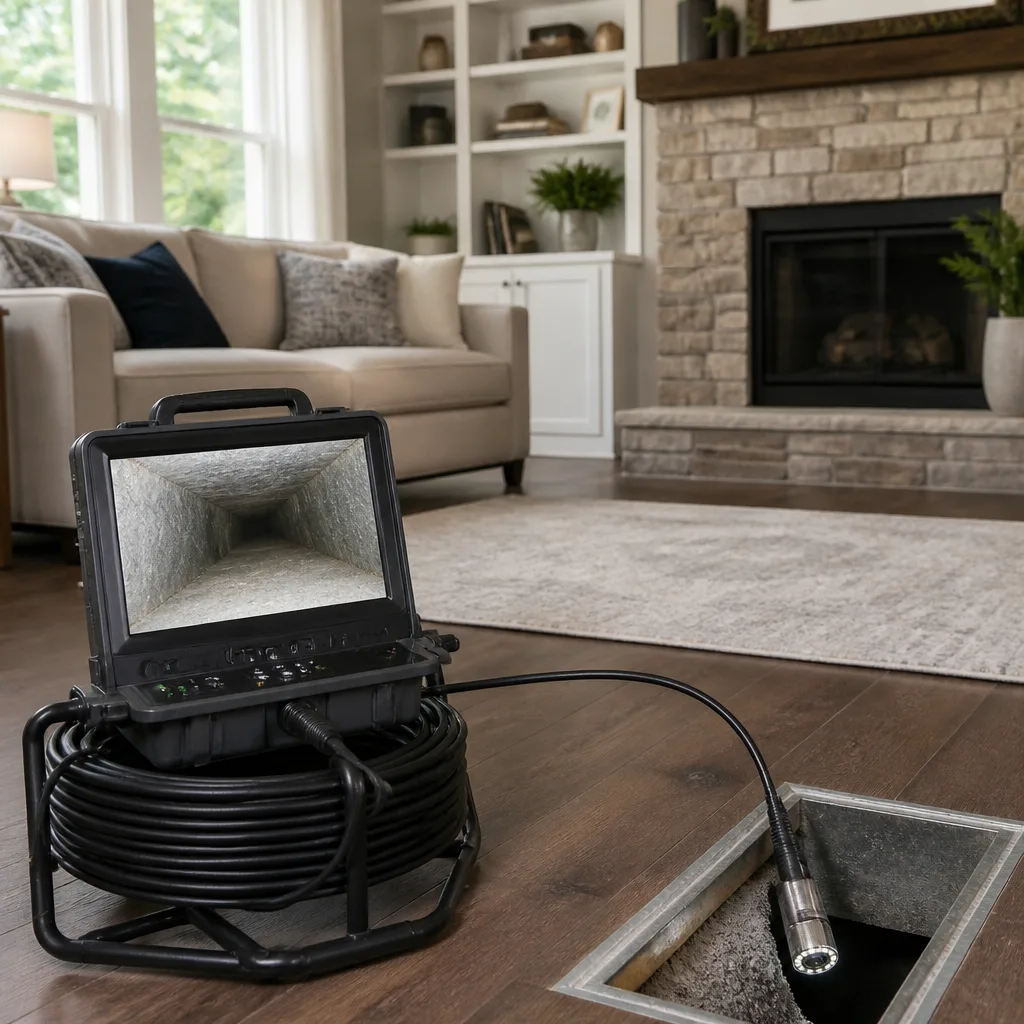 Camera inspection
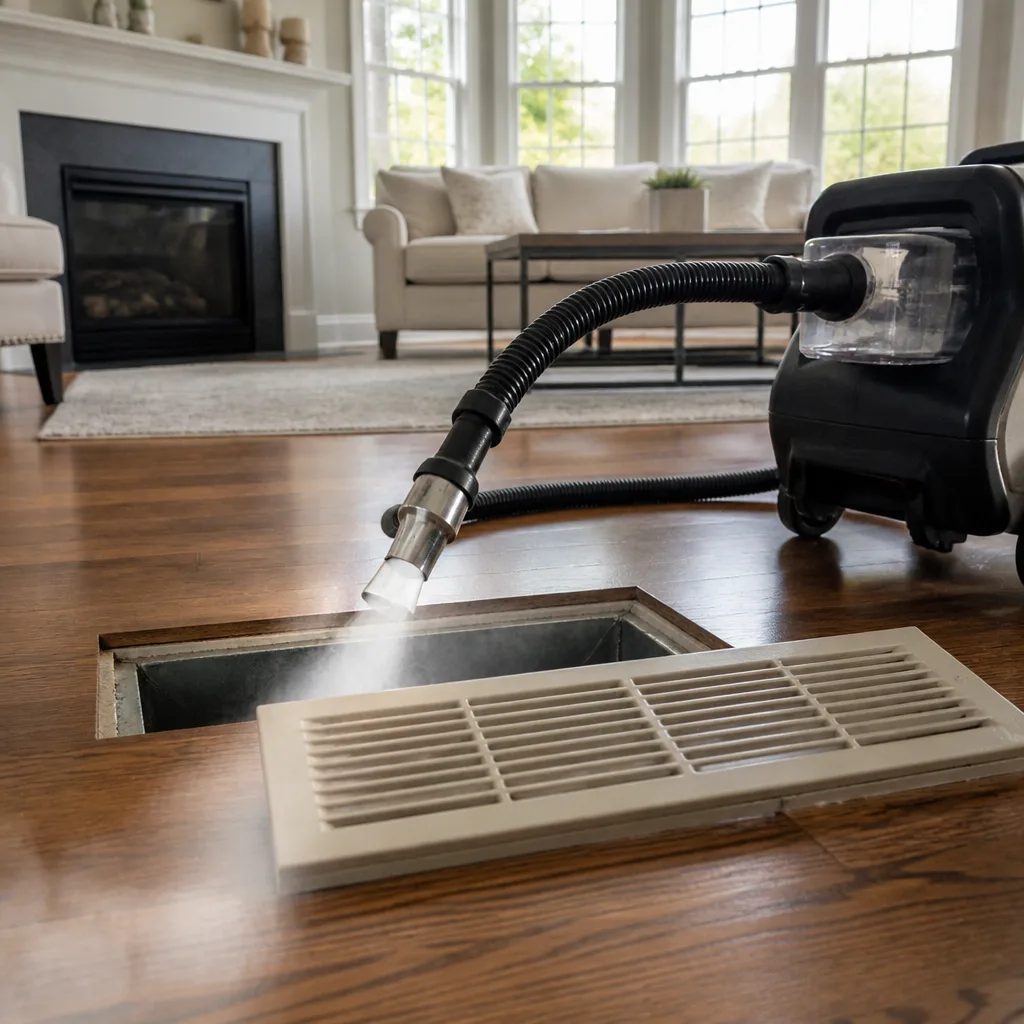 Sanitizing & deodorizing
Whole-system duct and dryer vent check with before-and-after photos - you see exactly what came out of your vents
That "$99 whole-house special" is a bait ad - the real number appears once they are in your hallway, or the "clean" is a shop-vac at the register. We photograph the inside of your ducts before and after instead.
DIY vs Professional Air Duct Cleaning: The Harvey Park Homeowner’s Decision Guide
A shop vac pulls roughly 100 to 150 cubic feet per minute of air. A professional duct cleaning system pulls 10,000 to 16,000. That gap isn’t a sales pitch, it’s the whole decision in one number. Pulling a register cover and running a vacuum wand down the opening is a reasonable Saturday chore. Reaching the trunk line, the plenum chamber, or the coil housing is a different job with different equipment. This guide maps exactly which parts of your system you can handle, which parts you can’t, and where a Harvey Park homeowner should stop and call. We’ll cover what DIY does well, where it falls short, and the specific local situations where the professional route isn’t optional.
Quick Answer
DIY duct cleaning works for surface jobs: register covers, return grilles, and the first foot or two of accessible flex duct at the boot. It does not work for trunk lines, plenum chambers, the coil housing, or anything more than about 10 feet from a register opening. The honest answer is task-dependent. Clean your registers yourself, then have the deep system cleaned professionally if you’ve had renovation dust, mold indicators, rodent evidence, or original ductwork in a home over 20 years old.
Styles & brands we work with
- Whole-home duct cleaning
- Dryer vent cleaning
- Camera inspection
- Sanitizing & deodorizing
Table of Contents
- What DIY Actually Accomplishes Well
- What Requires Professional Equipment
- The Equipment Reality Check: CFM and Containment
- When a DIY Attempt Makes the Professional Job Harder
- Harvey Park Scenarios Where Professional Service Is Non-Negotiable
- How Harvey Park’s Climate and Housing Stock Shape the Answer
- How the Costs Actually Compare
- Common Mistakes to Avoid
What DIY Actually Accomplishes Well
The DIY side of this comparison is real, and we don’t want to talk you out of it. Three jobs belong to the homeowner with a vacuum, a screwdriver, and an hour of patience.
Register and grille cleaning. Pop the cover off a supply register and you’ll usually find a felt-like mat of dust, pet hair, and construction grit stuck to the louvers and the frame. A brush attachment on a shop vac handles this in minutes. The same goes for return grilles, which collect far more because they pull air through a larger opening. This is the most visible dust in the system, and getting rid of it improves how the room feels and how the house smells.
Accessible flex duct near the boot. In a lot of Harvey Park homes, the last stretch of duct before the register is flexible insulated duct. With the register off, you can often reach the first foot or so by hand, and a wand with a soft brush can knock loose surface dust off the inside wall. Anything past arm’s length is out of reach, and pushing a brush deeper than the duct wants to bend risks tearing the liner.
Debris sitting right at the return opening. Big pieces, drywall chips, leaves that came in through a leaking return connection, pet toys. If it’s visible and reachable, removing it by hand is safe and it’s less material for the system to carry.
A shop vac, a soft brush kit, and a few hours of careful work will handle perhaps 15% of the contaminated surface area in a typical system. That 15% is the part you can see, which is exactly why it feels like enough. It isn’t. The other 85% is behind drywall, above ceilings, and in the plenum where your blower pulls its air from.
What Requires Professional Equipment
Four zones of your air system are effectively sealed off from consumer tools. Each one needs something a homeowner can’t reasonably buy, store, or run safely.
- Main trunk lines. These are the large rectangular or round ducts that carry the bulk of the air from the furnace or air handler to the branch runs. They’re long, they run through unconditioned space or inside wall chases, and they hold the heaviest accumulation because air velocity drops there. Reaching the inside walls of a trunk requires rotary contact cleaning that physically agitates the surface, not just airflow.
- The coil housing. The evaporator coil sits in a metal box with tight clearances and delicate aluminum fins. Dust that migrates here becomes a matted blanket that cuts heat transfer and eventually restricts airflow. Cleaning it wrong bends fins and creates a bigger problem than the one you started with. This is a trained-hands job, full stop.
- Plenum chambers. The plenum is the transition box right off the air handler, and it’s where pressure changes cause fine dust to settle out of the airstream. It’s also usually sealed or screwed shut. Our HVAC cleaning work treats the plenum and coil housing as the priority zones because that’s where the contamination concentrates.
- Any duct section beyond about 10 feet from a register opening. Past that distance, a homeowner’s reach and suction are both defeated. Nothing you can hook to a shop vac holds enough vacuum at that depth.
When you’re ready for the deep system work, our air duct cleaning page walks through what a full visit covers from intake to register.
The Equipment Reality Check: CFM and Containment
Airflow is the first half of the story. Containment is the second, and it’s the part most homeowners never think about.
A consumer-grade duct cleaning kit, the kind that attaches to a shop vac, typically moves 100 to 150 CFM. Some kits add a spinning brush head, but the vacuum behind it still can’t create meaningful negative pressure across a whole duct run. A professional truck-mounted or high-capacity portable system moves 10,000 to 16,000 CFM and, crucially, it puts the entire duct system under negative pressure before any agitation begins. That means when the brush knocks debris loose, the debris travels toward the vacuum, not out into your living room.
Containment matters just as much. Professional systems use HEPA filtration rated to capture particles down to 0.3 microns, and remediation-grade air filtration equipment like Abatement Technologies units creates true negative-air conditions in the work zone. That’s the same class of machinery used on mold and contaminant abatement projects. A shop vac’s standard filter simply isn’t in that category, and many cheap units actually exhaust fine dust back into the room, which is the exact opposite of what you’re trying to accomplish.
Rotary contact cleaning and the suction behind it are the reason air duct cleaning in Harvey Park produces a different result than a homeowner’s best effort with a wand. Agitation without capture just moves the problem. Capture without agitation leaves the buildup stuck to the walls. You need both at the same time.
When a DIY Attempt Makes the Professional Job Harder
This is the part almost nobody tells you, and it’s worth understanding before you start.
Loose dust that gets knocked free but not captured stays suspended in the duct air. Your system pulls that air back through the return and across the evaporator coil, which is slightly damp during cooling season. The dust sticks. It builds a mat. The same thing happens at the blower wheel, where a fine coating throws the wheel out of balance and cuts airflow across the whole house. So a homeowner who brushes the accessible sections without a system-wide vacuum can actually accelerate the loading of the coil and blower.
We see this pattern often enough that we plan for it. When a homeowner has already done some DIY agitation and the system is now pushing less air than before, the coil and blower become the first place we inspect, not the last. It’s fixable, but it costs more time than it would have if the job had been done with containment from the start.
There’s a second version of this mistake. Using a wet/dry shop vac on a wet-dry setting inside a duct that has any moisture present can turn settled dust into mud that hardens on the duct wall. Never introduce water into a duct system. If you’re dealing with a musty smell or visible moisture, stop and get professional eyes on it. The full workflow of assess, clean, repair, and sanitize is what our Air Duct Cleaning Harvey Park service is built around, and moisture is one of the reasons that workflow exists.
Harvey Park Scenarios Where Professional Service Is Non-Negotiable
Harvey Park is a mid-century neighborhood, and a large share of its homes were built between the 1950s and the 1970s. That housing stock, combined with the Front Range climate, creates four situations where DIY is the wrong call.
- Post-renovation dust. Drywall dust, silica, and fine sawdust from a kitchen or bath remodel travel through the return system for weeks. Drywall dust is abrasive and it cakes onto coil fins. Renovation cleanup requires negative pressure and HEPA capture, and the duct system should be cleaned after the dust has settled, not during demolition.
- Confirmed mold indicators. Visible dark staining around registers, a persistent musty smell that doesn’t clear, or condensation on duct surfaces. Mold remediation is a containment-and-filtration job, not a cleaning job. This is where Abatement Technologies filtration and proper negative-air setup earn their keep.
- Rodent evidence. Droppings in the return, gnaw marks on flex duct, or a nest found near a boot connection. Rodent contamination carries real health considerations and the ductwork often needs repair as well as cleaning. This is not a vacuum-out situation.
- Homes over 20 years old with original ductwork. Original galvanized duct from the sixties and seventies has usually accumulated decades of buildup in the trunk lines, and the seams are often leaking. Cleaning without sealing leaves you with the same efficiency losses. Our duct repair and sealing service exists so the cleaning isn’t undone by gaps in the system.
There’s a fifth scenario worth naming. If your dryer takes two cycles to dry a load, that’s a clogged dryer vent cleaning issue, and it’s a documented fire risk, not a convenience problem. Consumer vent brushes help, but a clogged vent at the termination or inside a wall run needs professional clearing.
How Harvey Park’s Climate and Housing Stock Shape the Answer
Harvey Park sits on the west side of Denver where the air is dry most of the year, and that changes what accumulates in a duct system. Dust in a dry climate stays fine and airborne longer, which means it travels deeper before settling. It also means you’ll notice it as dust on furniture and window sills before you notice anything in the ducts themselves.
The bigger factor is heating and cooling load. Harvey Park homes run their furnaces hard through cold snaps and their air conditioners through hot, dry summers. Every hour the blower runs is another hour of air moving across whatever has settled in the ducts. A system that runs more cycles more debris back through the house.
The housing stock adds two more wrinkles. Many mid-century Harvey Park homes have original duct designs that were sized for the equipment of their era, and additions or equipment swaps have often left the ductwork mismatched to the current blower. Original ducts also have leaking seams. Sealing those seams as part of a cleaning visit is one of the ways a professional job pays back beyond cleaner air. And where basements have been finished or converted, duct runs were sometimes rerouted with flex duct that sags or kinks, which traps debris in the low spots and is very hard to reach with anything but rotary equipment.
None of this is a knock on DIY effort. It’s the reason the honest answer is task-dependent. In a home with original 1960s ductwork, the accessible register cleaning is still yours to do. The trunk lines are not.
How the Costs Actually Compare
Cost is where the DIY-versus-professional argument usually turns, so let’s be specific. Professional whole-system cleaning in the Harvey Park area typically runs in these ranges, quoted per system by a written estimate before any work begins.
| Scope | Typical Estimated Range | What It Covers |
|---|---|---|
| DIY supplies (shop vac kit, brush set) | DIY cost of entry | Registers, return grilles, reachable flex duct only |
| Single-system air duct cleaning | Typical estimated range per system | Full system: registers, branch runs, trunk lines, returns |
| Duct cleaning plus repair and sealing | Typical estimated range | Cleaning plus sealing of accessible leaks and seams |
| HVAC cleaning (coil and blower deep clean) | Typical estimated range | Coil housing, plenum, blower wheel |
| Dryer vent cleaning | Typical estimated range | Full vent run through to termination |
Notice what a DIY kit does and doesn’t buy you. It buys the 15%. The rest of the system still holds contamination, and if it’s been there a while, the coil and blower are probably carrying some of it too. The comparison that matters isn’t DIY price versus professional price. It’s what fraction of the contamination each one actually removes. When you’re ready for a real quote, the written estimate sets the final price, and the estimate is free. Prices vary with system size, number of registers, accessibility, and whether repair is needed. We give one flat price per system agreed before the work starts, with before-and-after photos of your own ducts so you know what was there and what changed.
Common Mistakes to Avoid
- Pushing a brush past the point where the duct bends. Flex duct has a manufactured bend radius and a thin inner liner. Taking a stiff brush around a 90-degree turn tears the liner, and the fix is a duct repair, not a cleaning. Stop when the duct resists.
- Using a shop vac with a standard paper filter inside an occupied room. Fine dust passes straight through and back into the air. If you’re going to vacuum registers, use a HEPA filter, and ventilate the room.
- Assuming one pass with a vacuum counts as cleaning. Contact cleaning means physically agitating the surface. A vacuum alone doesn’t remove the stuck-on layer, and that layer is where microbial growth and odor live.
- Cleaning the ducts before a renovation instead of after. Drywall dust from the project will contaminate everything you just cleaned. Wait until demolition and sanding are done, then clean the system.
- Ignoring the dryer vent while you’re at it. Many Harvey Park homes with finished basements have long, routed dryer vent runs, and a clogged run is a documented fire risk. Cleaning the ducts without checking the dryer vent misses the higher-stakes problem.
- Skipping a before-and-after look. If you do the DIY work, take photos of each register first. It’s your record of what changed, and if you later call a professional, it’s a useful reference for the assessment.
- Assuming a musty smell is just old air. A musty odor that returns shortly after cleaning usually points to moisture in the system or in the space around it. Sanitizing without finding the source won’t last.
See the difference
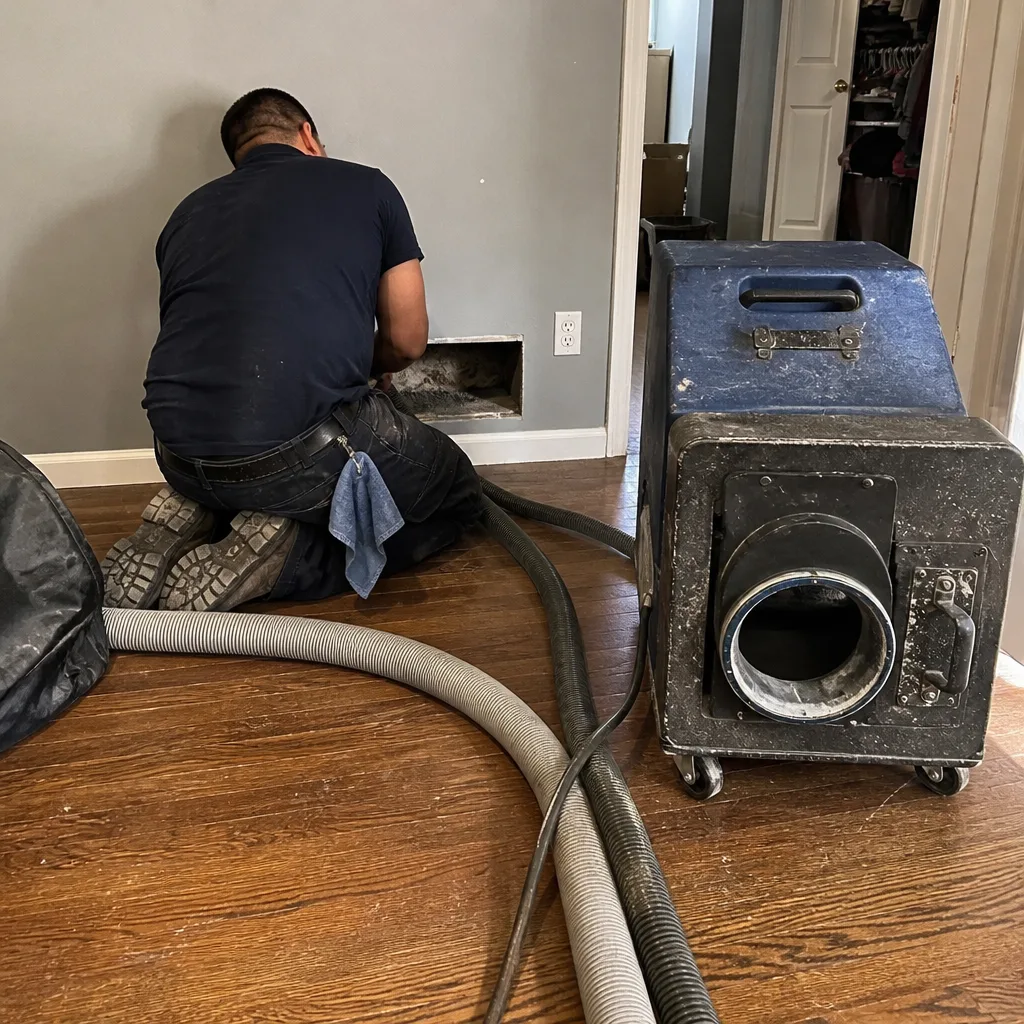 Before
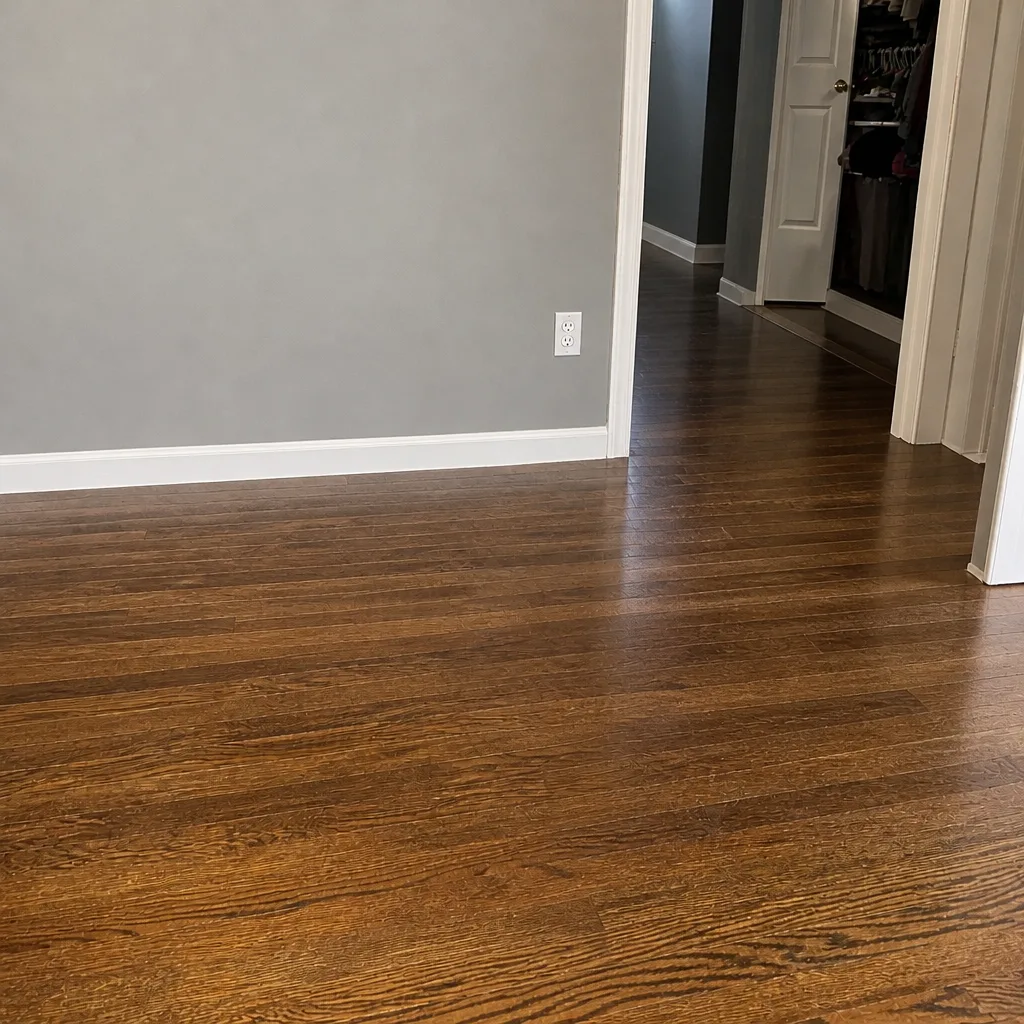 After
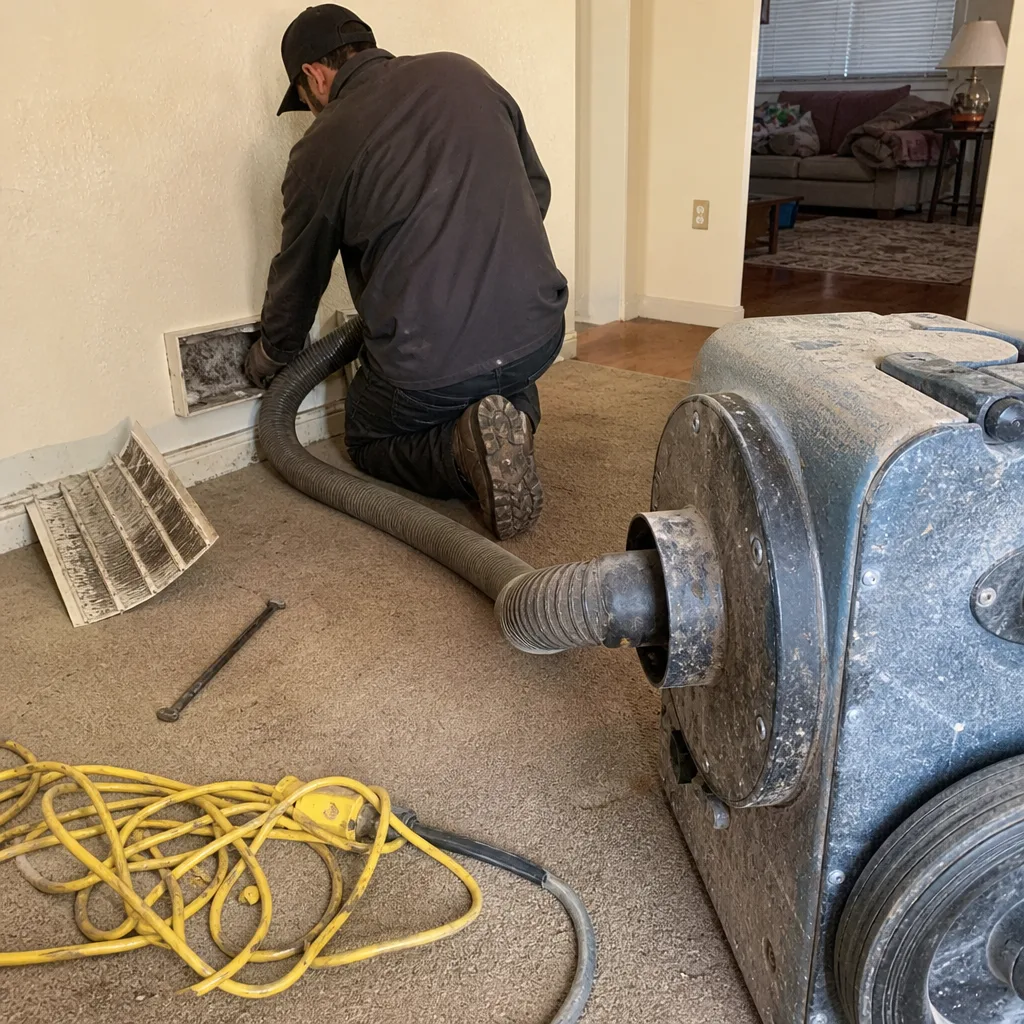 Before
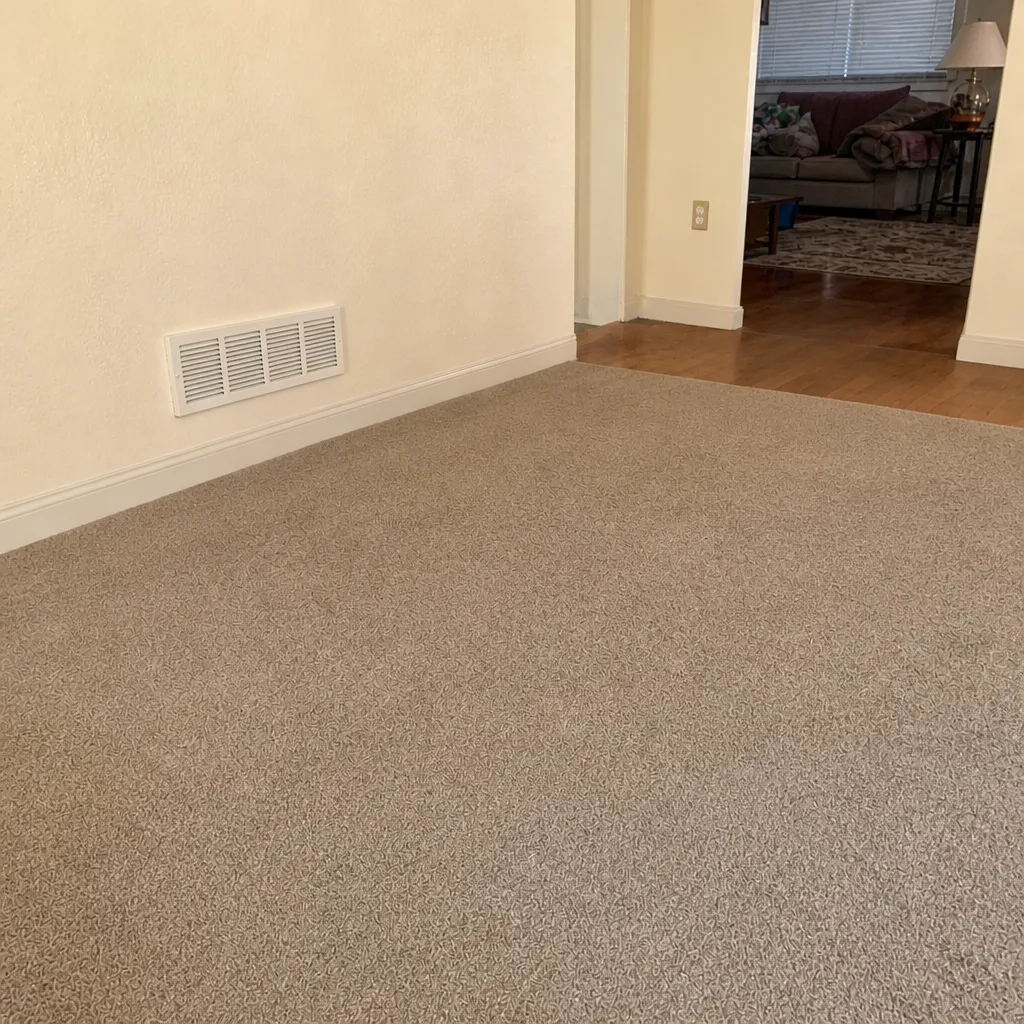 After
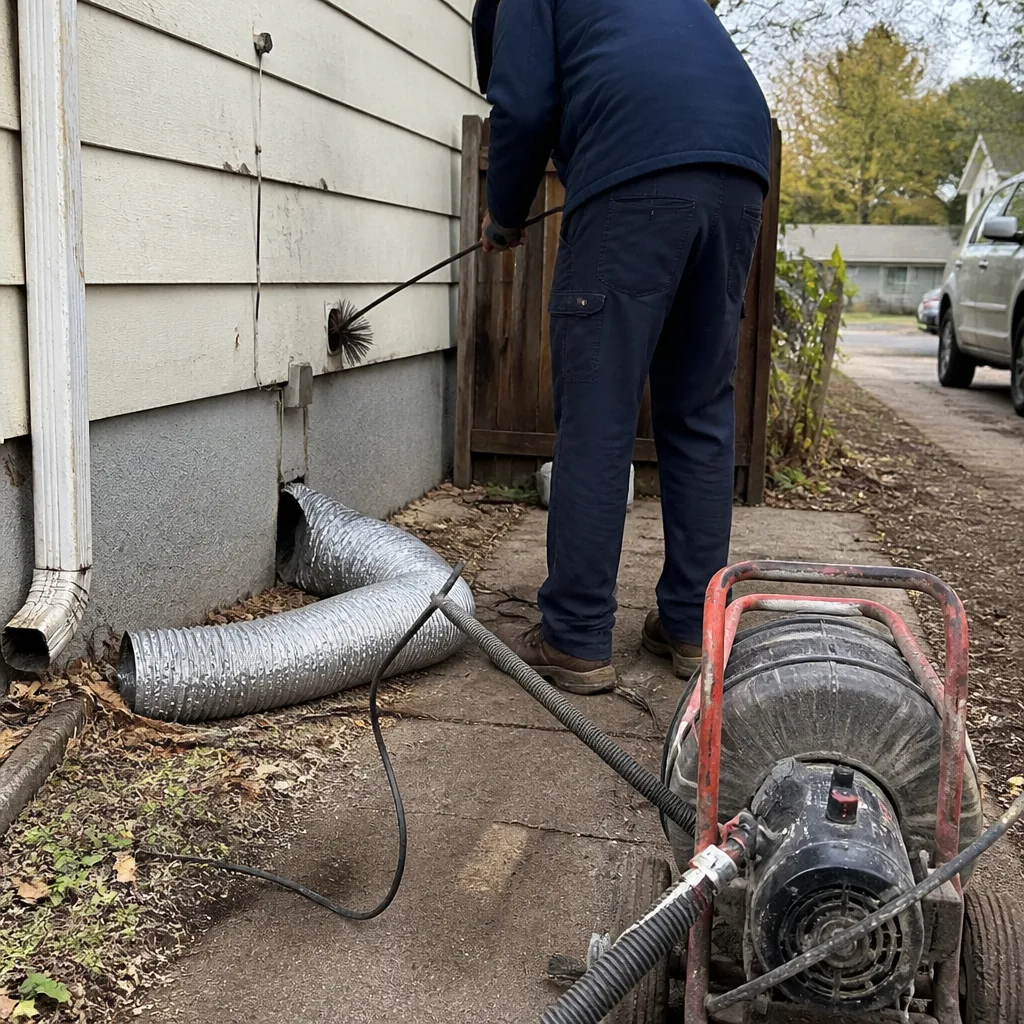 Before
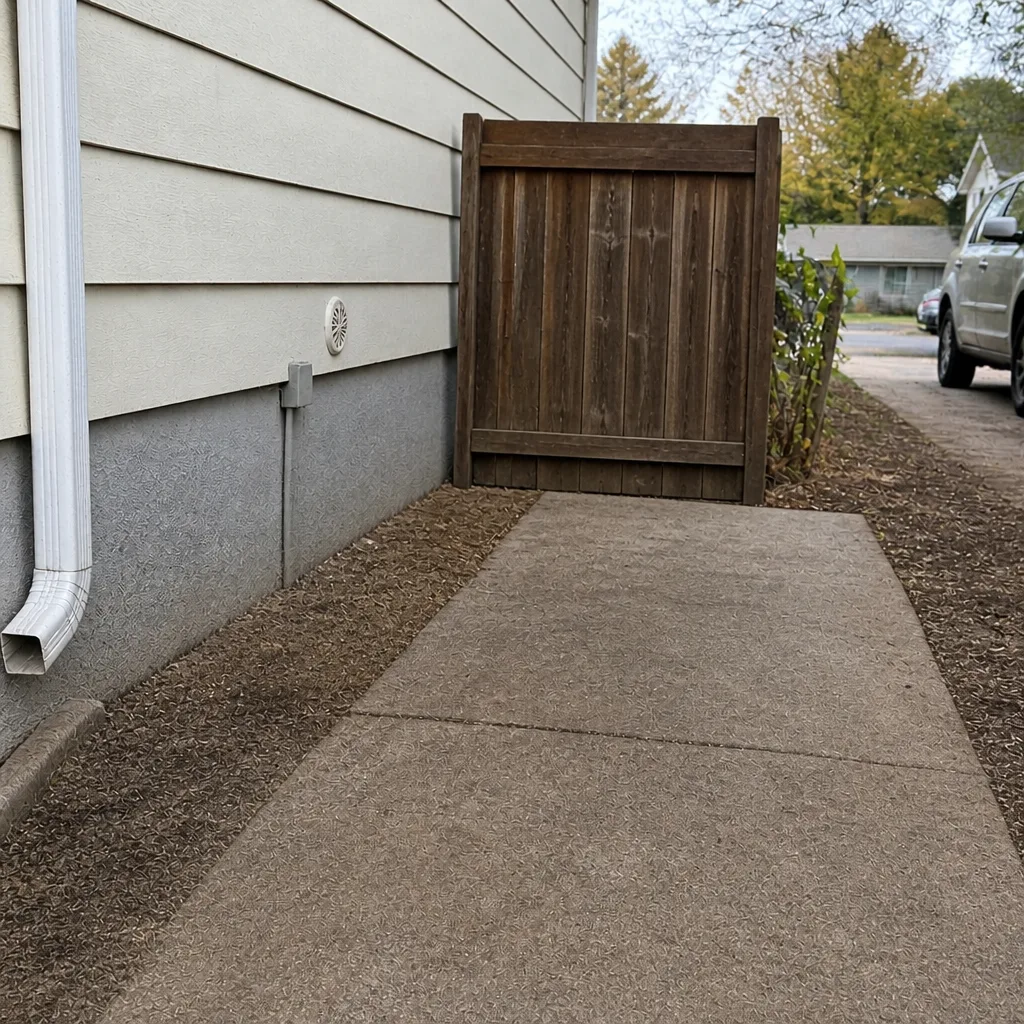 After
When to Call a Professional
Call a professional when the job is beyond the register: after a renovation, when there’s visible mold staining, when you find rodent evidence, when your dryer takes two cycles, when your system has original ductwork from a home over 20 years old, or when a DIY attempt has left the house feeling dustier and the airflow weaker than before. Also call if you’re a property manager or landlord responsible for air quality across multiple units, because documentation and consistency matter more than saving on a single vacuum pass. Air Duct Cleaning Harvey Park offers free estimates in Harvey Park. Call (833) 660-4969. We answer 24/7. Fast dispatch from 7am to 7pm, Sunday through Friday. The local pro is licensed and insured as their state requires, quoted one flat price per system before work starts, and shows you before-and-after photos of your own ducts. Our technicians have up to 12 years of experience, and we bring Rotobrush and Nikro professional-grade equipment and Abatement Technologies filtration to the job, the same class of tools used on commercial duct work and remediation projects. Cleaner ducts mean your HVAC works less to move the same air. That’s the practical payoff.
Frequently Asked Questions
You can clean the register covers, return grilles, and the first foot or two of accessible flexible duct, and that’s worth doing. You cannot clean the trunk lines, plenum chamber, coil housing, or anything more than about 10 feet from an opening, because a shop vac doesn’t create enough negative pressure to dislodge and capture debris at that distance. If you want to know exactly what a full-system clean covers, call (833) 660-4969 for a free estimate.
Whole-system air duct cleaning in the Harvey Park area is quoted per system, with the written estimate setting the final price, and it’s a function of system size, register count, accessibility, and whether repair is needed. Some quotes look dramatically cheaper because they’re pricing a per-vent vacuum pass rather than a full-system clean. Ask what’s actually included. Call (833) 660-4969 for an exact quote, and estimates are free.
Cheap quotes usually cover a partial job: a vacuum pass at the registers without contact cleaning of the trunk lines, no coil or plenum work, and no containment. What you’re buying is the same 15% you could do yourself. The right question isn’t what the quote costs, it’s what surface area it actually reaches. Ask any company what equipment they use, how they contain the work zone, and whether photos come with the job.
Most homes don’t need a fixed schedule. Clean when there’s a reason: after a renovation, after moving in if the previous owner’s history is unknown, when you’ve had water intrusion or rodent activity, or when airflow and dust levels have clearly changed. In a mid-century Harvey Park home with original ductwork, a first deep clean followed by a longer interval is a reasonable approach. Call (833) 660-4969 and we’ll help you decide based on your system.
It can. While you’re agitating the accessible duct, fine dust goes into the air and some of it gets pulled back through the return to the coil and blower, where it sticks. That’s why containment and simultaneous capture matter. Once you stop and let the air settle, the dust level drops, but the coil and blower may now be carrying a coating they weren’t carrying before. Call (833) 660-4969 if you’ve done a DIY pass and the airflow now feels weaker.
You ask for before-and-after photos of your own ducts, taken at the same points. A reputable company should also walk you through what the assessment found and what, if anything, needs repair. Our service includes a full inspection, and we can fix the problem we find rather than handing you off. Call (833) 660-4969 to schedule an assessment and estimate. We answer 24/7. Fast dispatch from 7am to 7pm, Sunday through Friday.
The Bottom Line
DIY duct cleaning isn’t wrong, it’s just narrow. It handles registers, grilles, and reachable flex duct well, and it’s worth doing. The remaining 85% of the system sits in trunk lines, plenum chambers, and the coil housing, and only professional equipment with real airflow and HEPA containment reaches it. In Harvey Park’s older housing stock, after a renovation, or with mold or rodent evidence, the professional call isn’t optional. If you’ve done your registers and want to know what’s left in the system, get an honest assessment. Call (833) 660-4969. We answer 24/7. Fast dispatch from 7am to 7pm, Sunday through Friday. We inspect, repair, seal, and sanitize the full system under one flat price per system agreed before work starts.
Written by the team at Air Duct Cleaning Harvey Park.