
Last updated November 24, 2026
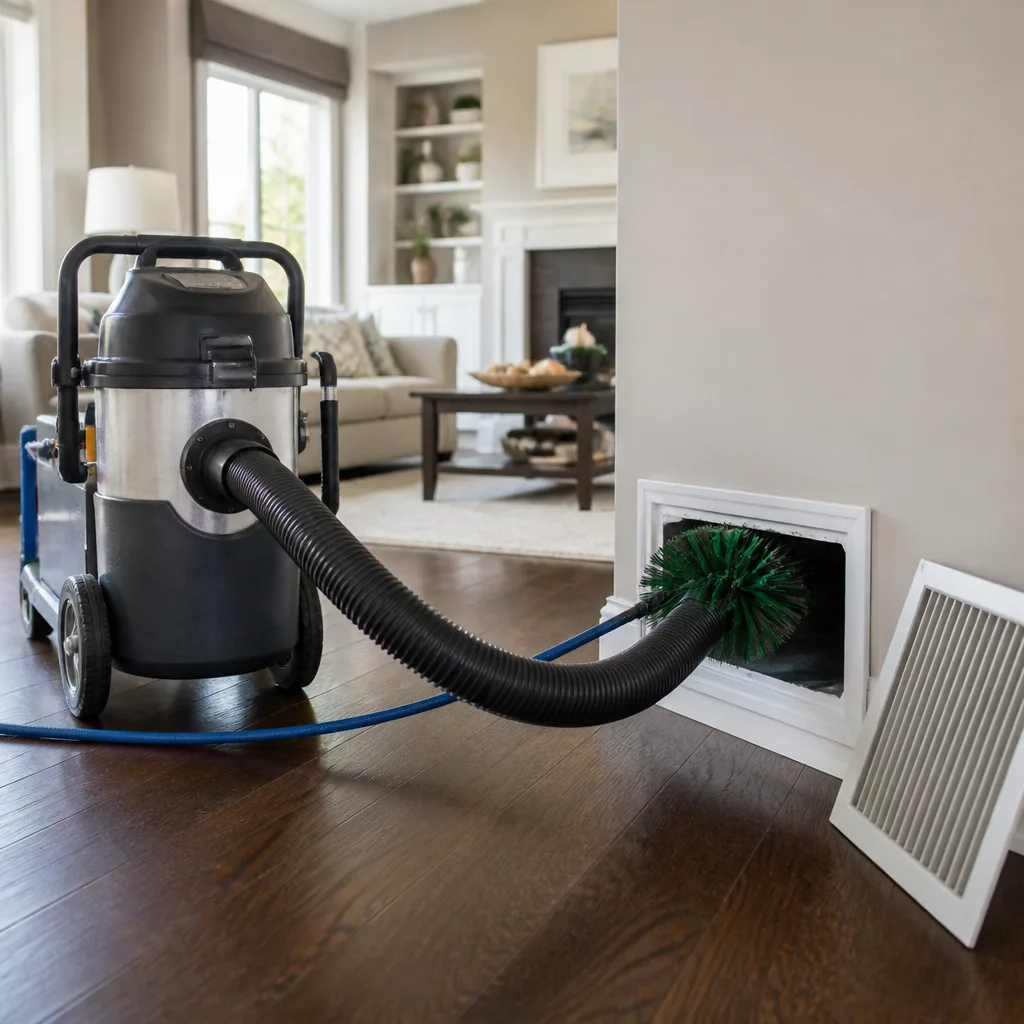 Whole-home duct cleaning
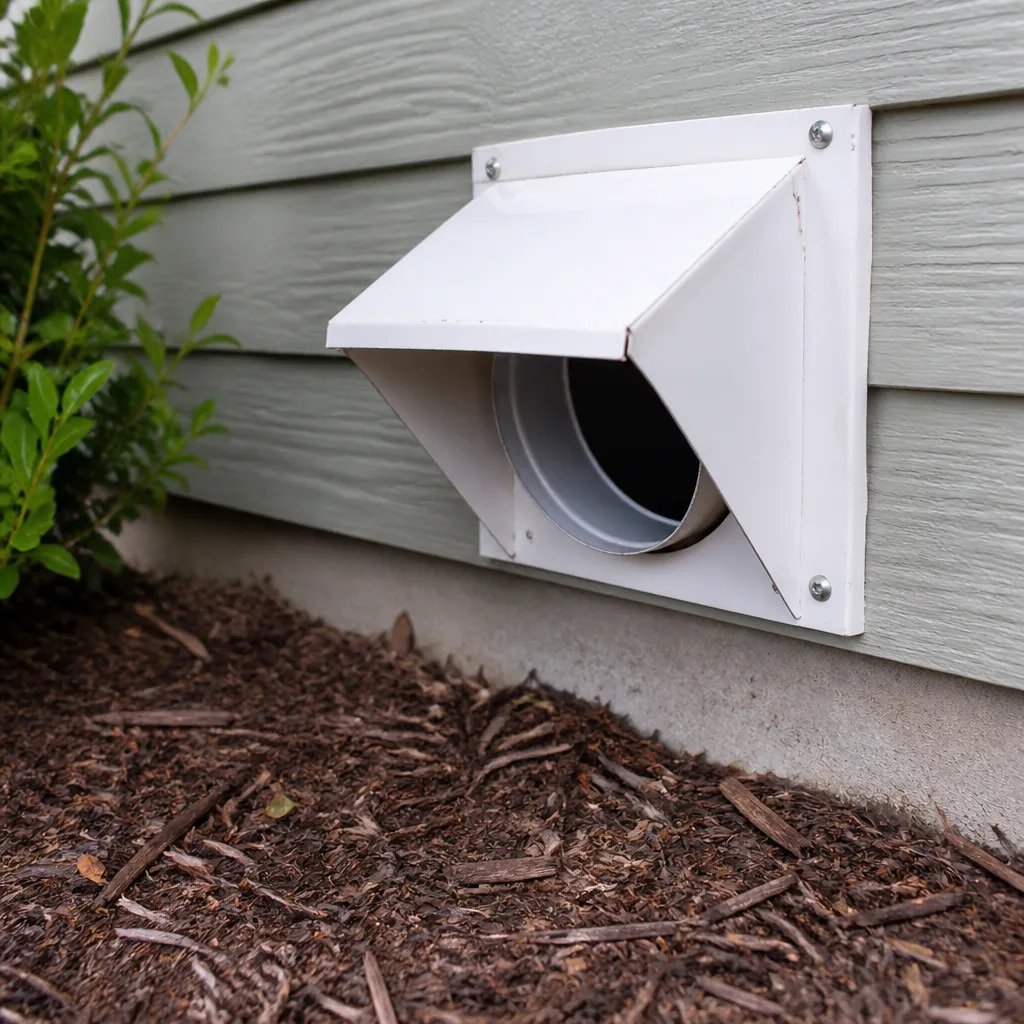 Dryer vent cleaning
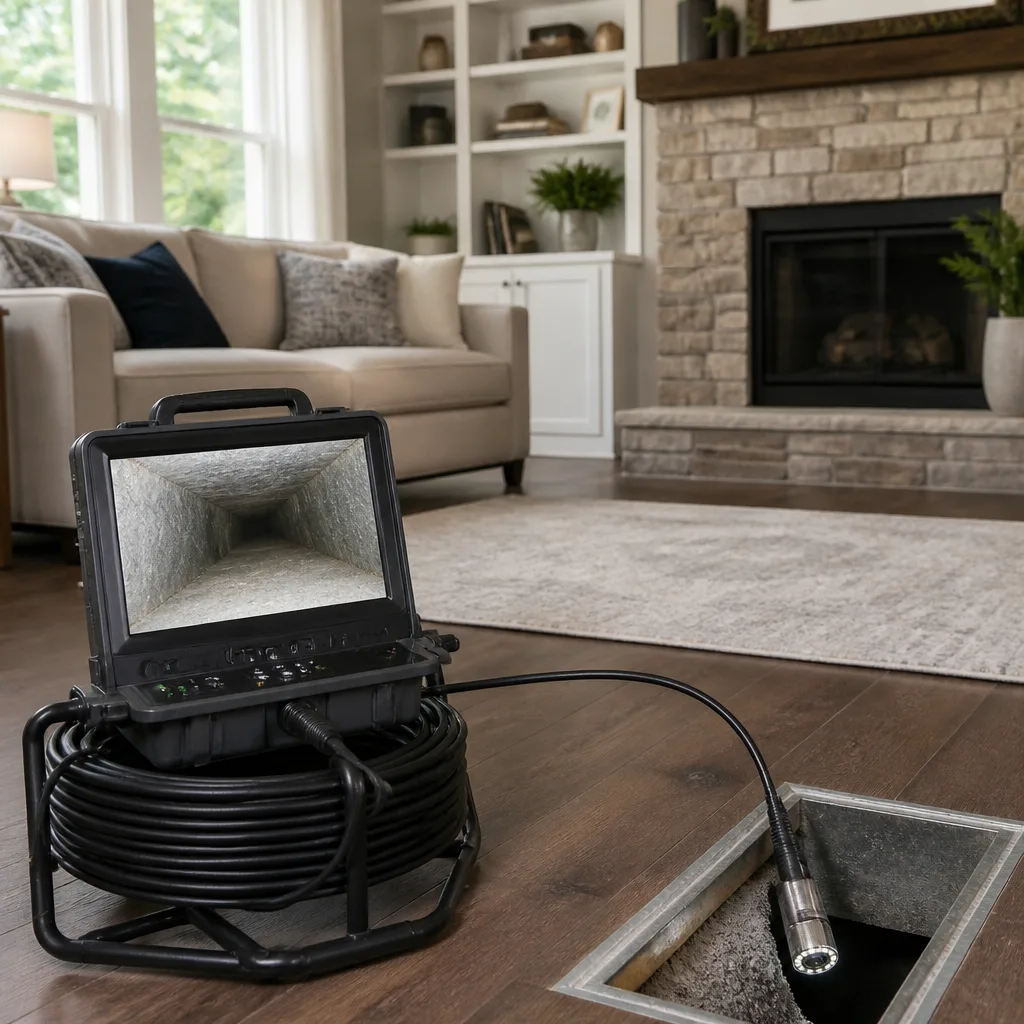 Camera inspection
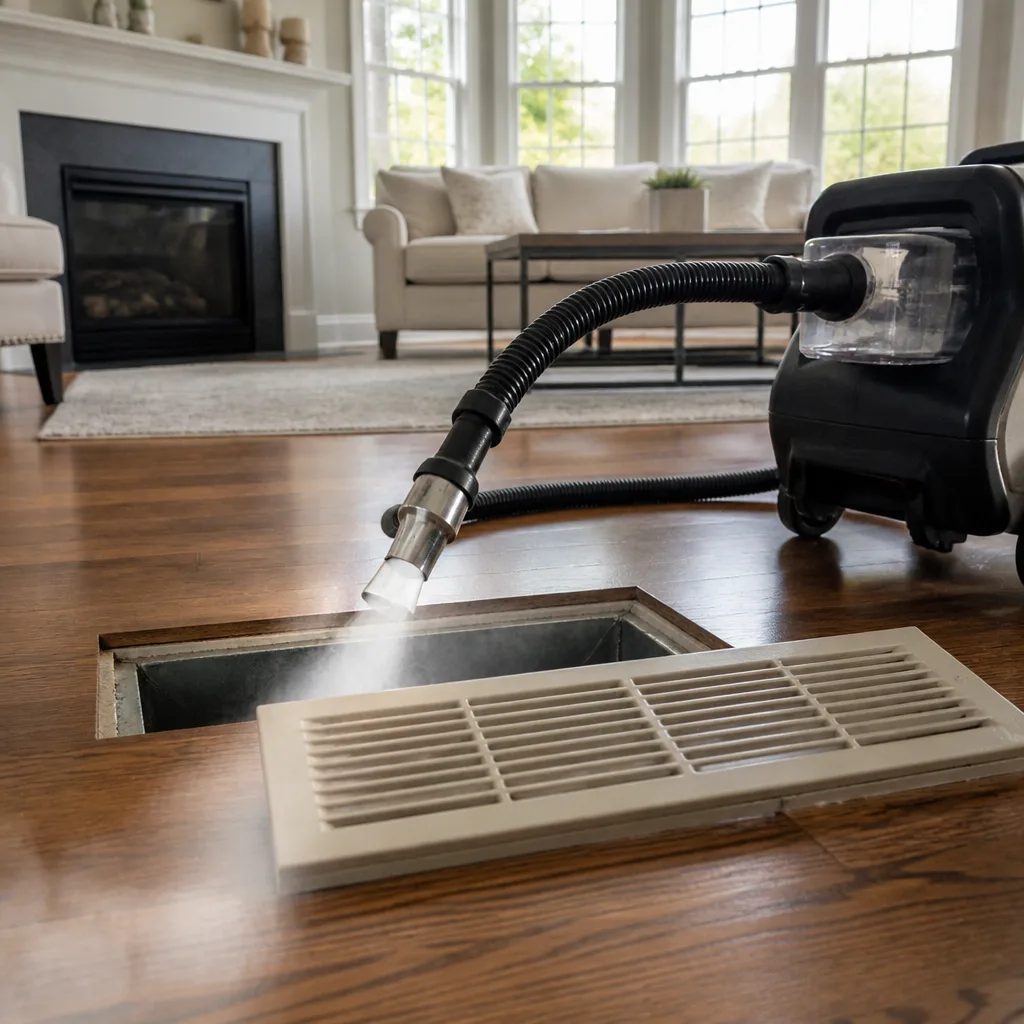 Sanitizing & deodorizing
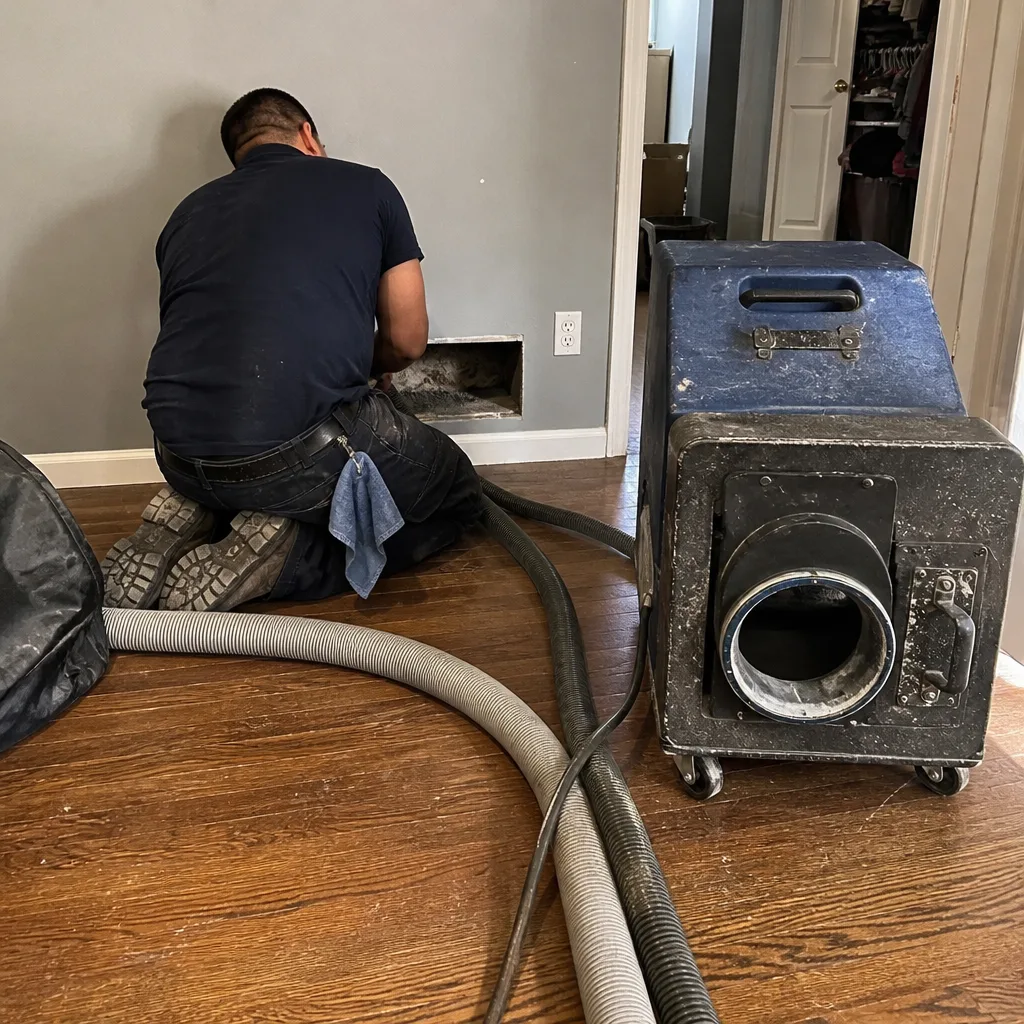
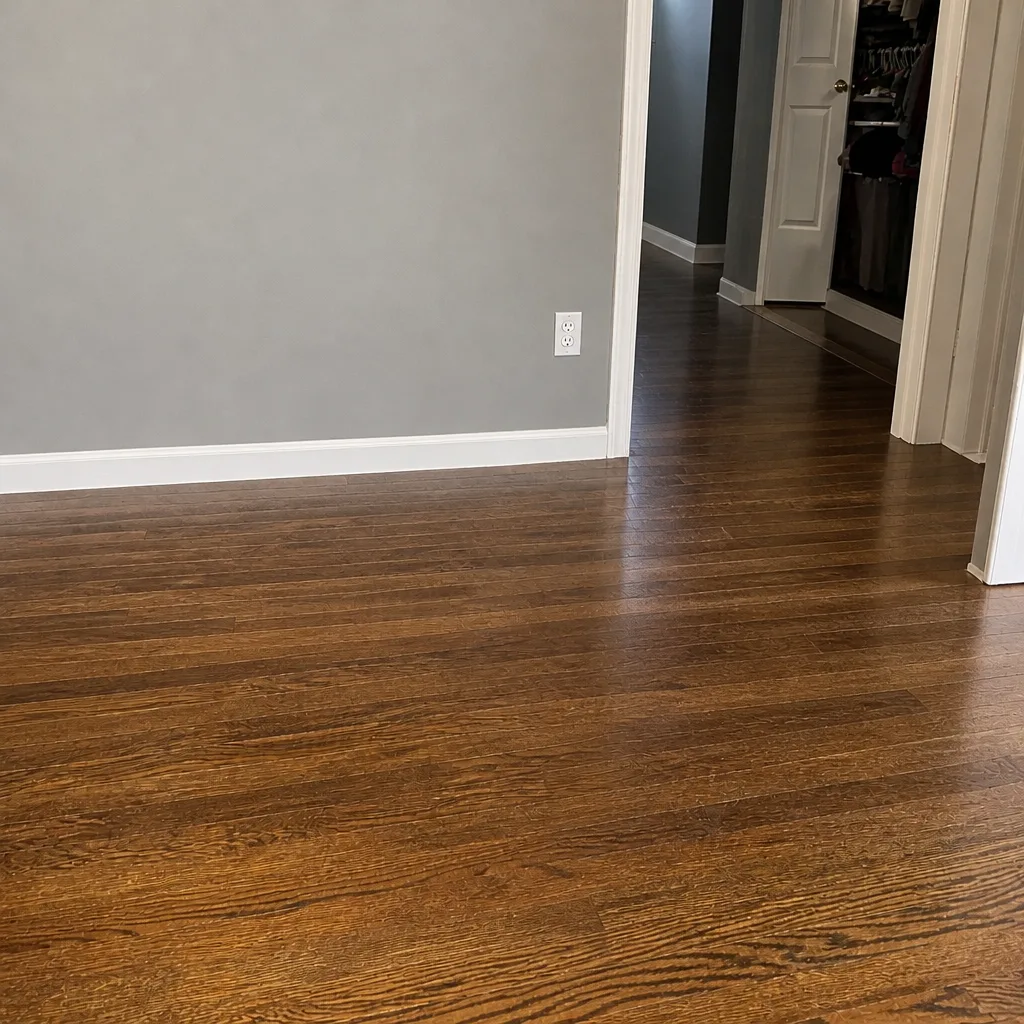
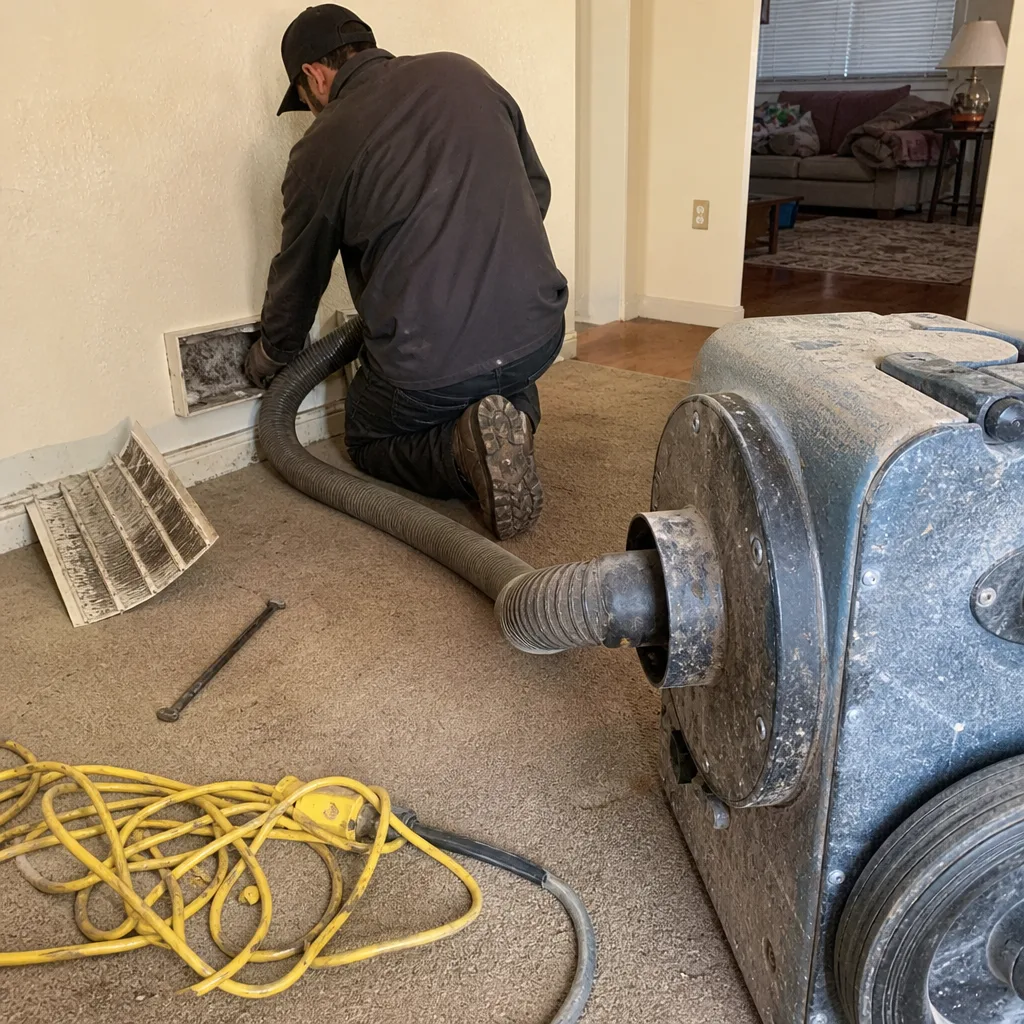
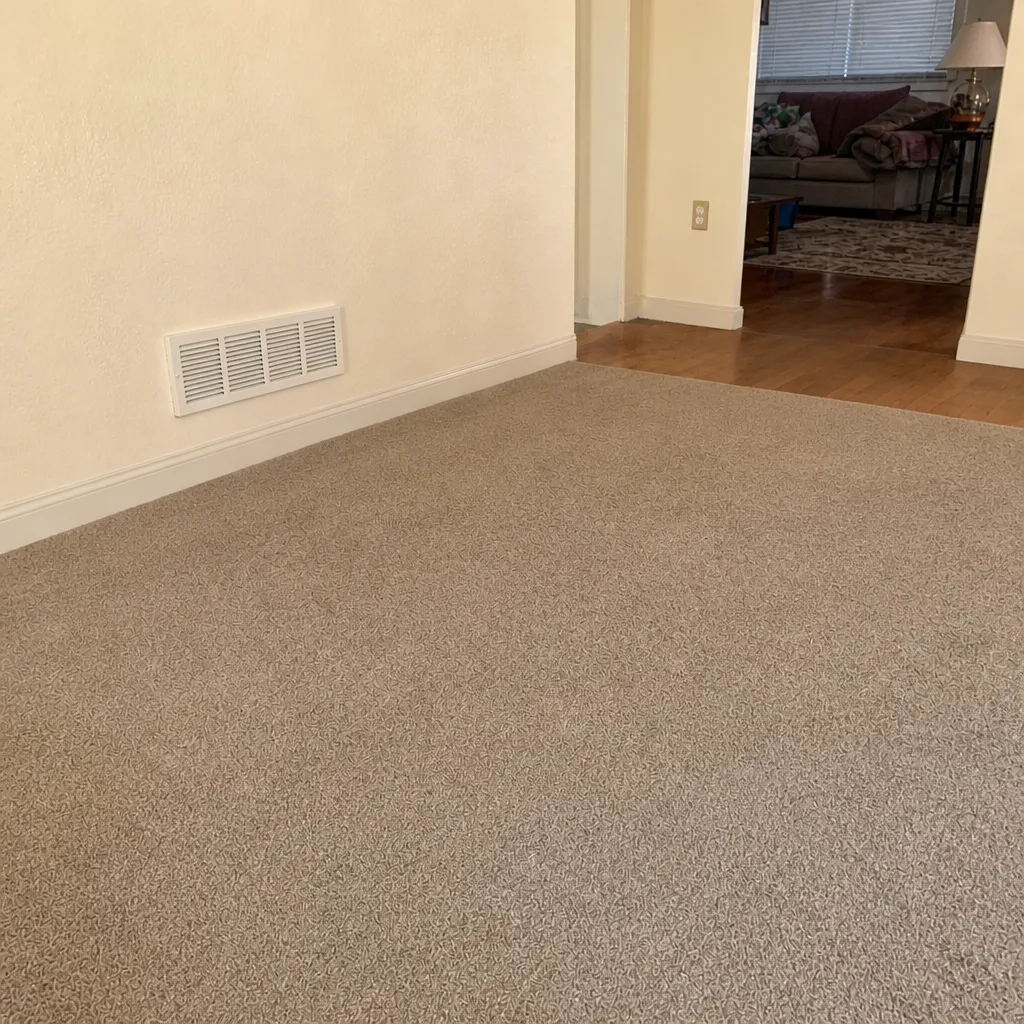
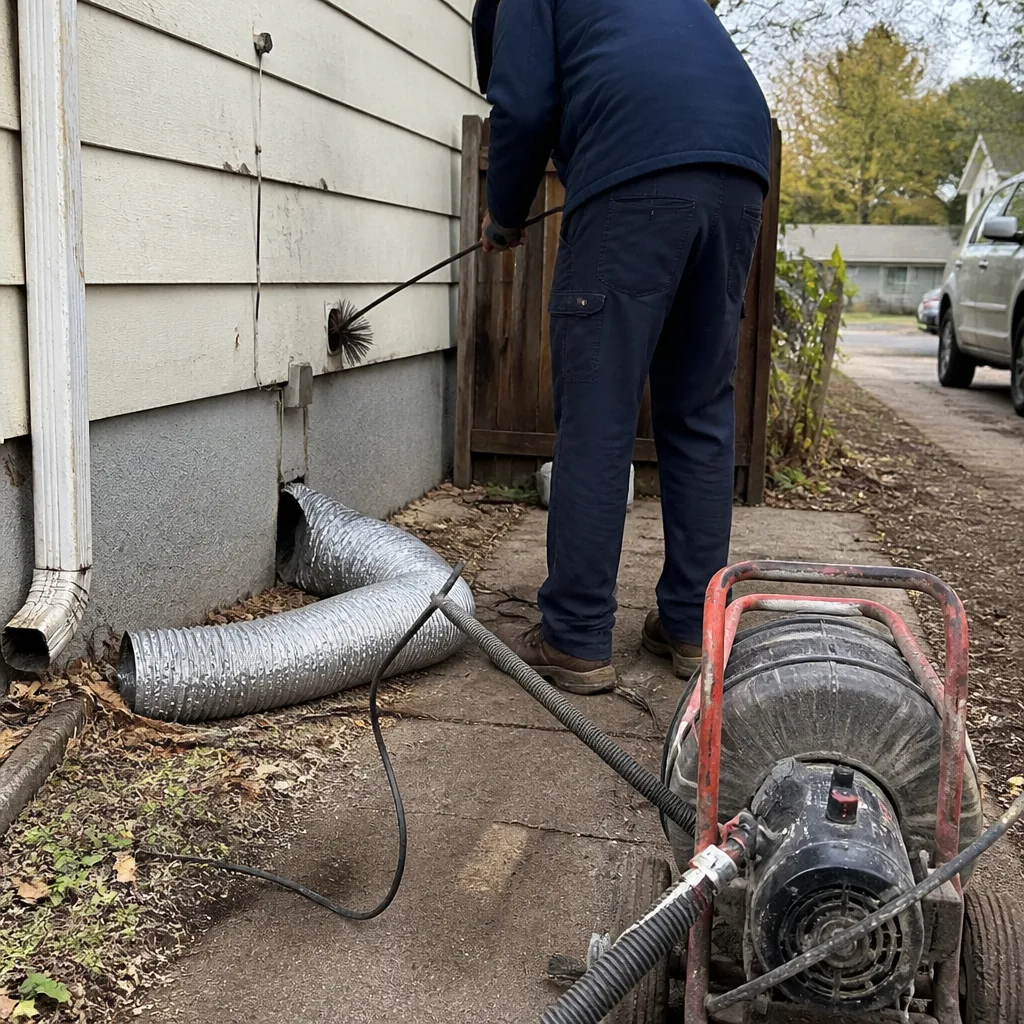
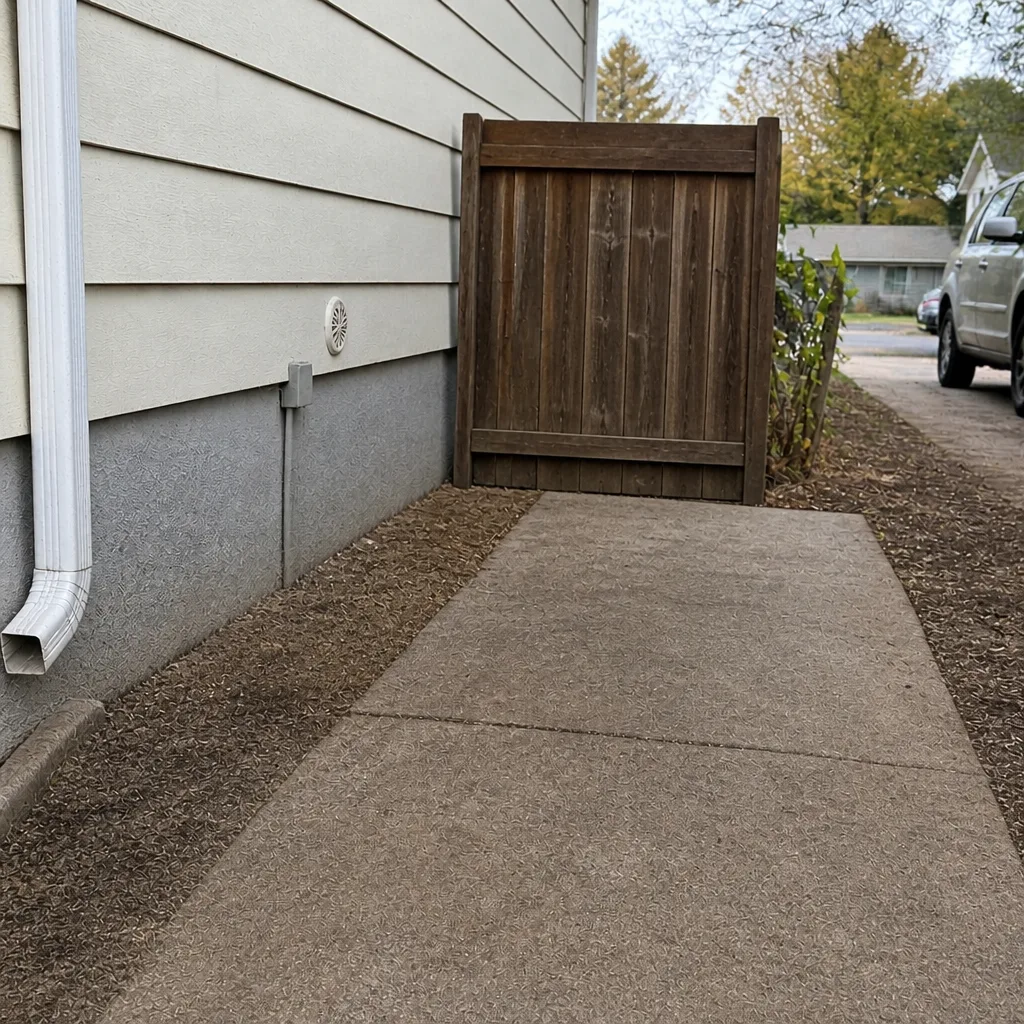
Whole-system duct and dryer vent check with before-and-after photos - you see exactly what came out of your vents
That "$99 whole-house special" is a bait ad - the real number appears once they are in your hallway, or the "clean" is a shop-vac at the register. We photograph the inside of your ducts before and after instead.
Seasonal Air Duct Cleaning Care for Harvey Park: Year-Round Homeowner’s Guide
Most HVAC companies hand out the same advice everywhere: clean your ducts in spring or fall, change the filter every three months, and call it done. In Harvey Park, that generic calendar misses the point. This neighborhood sits in a part of Denver metro where four distinct seasonal shifts stress ductwork in four different ways, and the single most valuable service window – late September, when wildfire smoke season winds down and the first furnace cycles begin – is the one almost every homeowner skips. This guide maps air duct cleaning and air system care to the conditions that actually affect Harvey Park homes, so you can time the work to the load instead of following a national rule of thumb that was never written for this climate.
Quick Answer
In Harvey Park, the highest-impact time to clean air ducts is late September through early October – after summer wildfire smoke has stopped entering the system and before the furnace runs hard – paired with a filter upgrade in early spring ahead of cottonwood season. A single annual cleaning timed to that window catches the year’s accumulated load better than a spring-only or generic fall appointment, and it keeps the furnace from circulating last summer’s fine particulate through the whole house all winter.
Styles & brands we work with
- Whole-home duct cleaning
- Dryer vent cleaning
- Camera inspection
- Sanitizing & deodorizing
Table of Contents
- Why Harvey Park Ductwork Ages Differently Than the National Average
- Spring in Harvey Park: Cottonwood, Construction Dust, and the Pre-Season Filter Move
- Summer: Wildfire Smoke, PM2.5, and What Only a Scope Can See
- Fall: The Late-September Window Most Homeowners Miss
- Winter: Dry Air, Static, and Dust That Sticks to Duct Walls
- Building a 12-Month Air System Calendar for Harvey Park
- Why Seasonal Care Has to Cover the Whole Air Pathway
- Common Mistakes to Avoid
- When to Call a Professional
- Frequently Asked Questions
Why Harvey Park Ductwork Ages Differently Than the National Average
Harvey Park sits on the western edge of Denver, close enough to the foothills that weather patterns here don’t always match what’s happening downtown. That geography matters for your air system. Homes in this neighborhood deal with a specific sequence of airborne loads across the year: cottonwood fluff and construction dust in spring, wildfire smoke particulate in summer, a sharp dry-down in fall that produces static, and then months of furnace-driven air movement in winter that pushes whatever settled in the ducts back into living space.
Each of those loads behaves differently inside ductwork. Cottonwood fiber is coarse and tends to collect at return grilles and the first few feet of the return run. Wildfire smoke is the opposite – ultra-fine PM2.5 particulate that slips past standard filters and settles on evaporator coils, blower wheels, and duct walls, where it’s often invisible from a register. Fall’s dry air charges dust particles so they cling to duct surfaces instead of staying suspended. Winter then moves all of it.
A cleaning done at the wrong time catches one load and leaves the others. A cleaning done at the right time – and we’ll show you exactly when that is – catches the year’s accumulation in a single pass. That’s the case for timing seasonal care to Harvey Park conditions rather than to a generic recommendation.
- Spring load: cottonwood fiber and construction dust at return grilles
- Summer load: fine smoke particulate on coils, blower, and duct walls
- Fall load: static-charged dust adhering to duct surfaces
- Winter load: furnace-driven redistribution of everything above
Spring in Harvey Park: Cottonwood, Construction Dust, and the Pre-Season Filter Move
Spring is when most homeowners instinctively book a cleaning – and it’s the season where cleaning alone does the least on its own. The dominant spring load in Harvey Park is cottonwood fiber, and cottonwood is a coarse material that a good filter captures well. If you clean in March and then run the system through peak cottonwood without upgrading filtration, you’re refilling the ducts you just cleaned. The better move is a filter upgrade first, cleaning second if it’s warranted.
Construction dust is the other spring factor. Harvey Park has seen steady renovation activity, and remodeling dust – drywall, sawdust, silica fines – is heavier and more abrasive than household dust. It settles in return runs and can coat the furnace blower. If there’s been work on your house or next door, the return side of your system deserves a look before summer.
Here’s how we’d sequence a Harvey Park spring:
- Upgrade filtration in early March. Move to a filter rated to capture cottonwood fiber before the season peaks. A high-MERV pleated filter appropriate to your system’s blower rating does more against coarse fiber than any cleaning.
- Inspect return grilles in April. Cottonwood collects at the return first. Check and clear grilles, and note whether the fiber is reaching deeper into the run.
- Schedule an assessment, not necessarily a cleaning. If the system was cleaned the previous fall and filtration is good, spring may only need a scope check and filter change. Save the full cleaning for fall.
- Address construction dust directly. If remodeling is happening, ask about sealing return openings during work and cleaning afterward.
Spring cleaning isn’t wrong. It’s just often mistimed. In Harvey Park, spring is more about filtration and inspection than about a full duct cleaning.
Summer: Wildfire Smoke, PM2.5, and What Only a Scope Can See
Summer on the Front Range means wildfire smoke, and wildfire smoke is a different problem than ordinary dust. The particulate that matters is PM2.5 – particles small enough to pass straight through standard filters. That means smoke entering your return air doesn’t stop at the filter. It deposits on the evaporator coil, the blower wheel, and the duct walls, and it does so as a fine, sticky film that’s essentially invisible from a register.
This is where equipment separates a real cleaning from a vacuum pass. We use a Rotobrush rotary contact system – the same class of equipment commercial HVAC contractors rely on – because contact cleaning physically agitates and removes that film from duct walls. A vacuum alone pulls loose debris out of the air stream but doesn’t break the bond a smoke deposit forms with the surface. Rotobrush contact cleaning does.
For homes in Harvey Park that keep windows closed through smoke season, the load is concentrated in the system rather than ventilated out. That makes the coil and blower the critical inspection points. A scope camera lets us see what’s actually on the coil before we decide whether cleaning is needed.
- Smoke season deposits on coils, not just ducts. Fine particulate bypasses filters and bonds to evaporator surfaces.
- Standard filters capture some, not all. PM2.5 is defined by being small enough to pass typical media.
- Scope inspection is the only way to see the coil load. Registers tell you almost nothing about what’s downstream.
- HVAC cleaning and duct cleaning are different jobs. Smoke affects both, and this is the season the difference shows.
If your system ran through a heavy smoke summer, book the assessment for early fall rather than mid-summer – you’ll catch the full seasonal deposit in one cleaning. If your household has allergy or respiratory sensitivity and the system is struggling mid-summer, don’t wait. HVAC cleaning addresses the coil and blower load that drives most of the problem.
Fall: The Late-September Window Most Homeowners Miss
Here’s the core of this guide. Late September in Harvey Park is a rare convergence: the summer smoke season is winding down, and the first furnace cycles are about to begin. That’s the exact moment when cleaning catches the whole year’s accumulation in one pass – and it’s the window most homeowners skip because every generic HVAC calendar says “clean in fall,” which most people read as October or November, after the furnace has already been pushing air through the ducts for weeks.
The logic is straightforward. By late September, spring cottonwood and summer smoke deposits are all in the system. The furnace hasn’t yet mobilized them into living space. Clean now, and the first heating cycle of the season pushes clean air. Clean in November, and you’ve been breathing the accumulated load since the furnace kicked on.
Fall also gives us the chance to catch what we find while we’re in there. This is where air duct cleaning becomes a full-system job rather than a vacuum pass. Dust and smoke deposits often reveal compromised connections, gaps at joints, or failing flex duct that’s been leaking conditioned air. Our Duct Repair & Sealing service exists for exactly that reason: we fix what we find instead of handing you off to a separate contractor who has to come back out.
A practical Harvey Park fall sequence:
- Book the inspection in mid-September. This catches the smoke-season deposit before the furnace runs.
- Schedule the cleaning for late September or early October. One pass catches the full year’s load.
- Ask for a scope inspection of the coil and blower. The summer smoke load settles there; cleaning ducts alone leaves it behind.
- Address any leaks or gaps found during cleaning. Sealing them before heating season keeps you from paying to heat air that escapes into the structure.
- Replace the filter after cleaning, not before. A cleaning dislodges debris that settles into the filter media.
Do this once and the winter that follows is materially different. The furnace works less to move the same air, and what it moves is clean.
Winter: Dry Air, Static, and Dust That Sticks to Duct Walls
Winter in Harvey Park is furnace-on season, and Colorado winter air is dry. Dry air is a static generator, and static changes how dust behaves inside ductwork. Instead of staying loosely suspended and moving through with the air stream, static-charged dust particles adhere to duct walls. That means the dust load doesn’t just pass through – it accumulates, and furnace blower pressure keeps re-entraining the lightest fraction of it into living space all winter.
The practical consequence is filter change interval. In humid climates, a filter loads from airborne dust and clogs at a predictable rate. In dry Colorado winter air, the same system can pull a higher proportion of adhered dust off duct walls, and that dust reaches the filter faster. If you’re running a standard three-month filter change, winter in Harvey Park is the season to shorten it – check the filter monthly through the heating season and change it when it’s visibly loaded, not on a fixed calendar.
Winter is also when whole-home air quality products earn their keep. We stock and install Aprilaire and Honeywell products – humidifiers that put moisture back into dry winter air, and media filtration that captures fine particulate more effectively than a basic filter. A whole-home humidifier doesn’t just improve comfort; it reduces the static that drives dust adhesion in the first place.
- Check filters monthly in winter, not on a fixed calendar.
- Static-charged dust adheres to duct walls and re-enters the air stream under blower pressure.
- Whole-home humidification reduces static and the dust adhesion that comes with it.
- Media filtration from Aprilaire or Honeywell captures fine winter particulate a basic filter misses.
- If the ducts were cleaned in fall, winter is about maintaining filter and humidity, not re-cleaning.
Building a 12-Month Air System Calendar for Harvey Park
A calendar built for Harvey Park conditions looks different from the generic one. Here’s the sequence we’d build for a typical home in this neighborhood. Adjust the months slightly to your own system and household, but the seasonal logic holds.
- March: Upgrade filtration ahead of cottonwood season. Inspect return grilles for fiber load.
- April: Address construction dust if any renovation is happening. Clear return runs.
- June through August: Monitor smoke season. If the system is struggling and household members are sensitive, schedule an HVAC cleaning for the coil and blower load.
- Mid-September: Book the inspection. This is the assessment window for the year’s accumulated load.
- Late September or early October: Full-system cleaning. This is the highest-impact service window of the year in Harvey Park.
- October: Duct repair and sealing for any gaps or leaks found during cleaning. Replace filters after cleaning.
- November and December: Check filters monthly as the furnace runs. Confirm humidification is set for dry winter air.
- January and February: Continue monthly filter checks. Consider media filtration if winter dust is noticeable.
- Annually: dryer vent cleaning on its own schedule, independent of the duct calendar. A clogged dryer vent is a fire risk regardless of season.
Notice what’s not on this list: a spring cleaning. In most of the country, spring is the standard answer. In Harvey Park, spring is the filtration and inspection season, and fall is the cleaning season. That single change is what makes a calendar work here instead of just following it.
Why Seasonal Care Has to Cover the Whole Air Pathway
Seasonal care only works if it treats the entire air system as one connected pathway. Cleaning ducts of spring cottonwood while leaving summer smoke on the coil accomplishes very little. Sealing a leaky return in fall while ignoring a blower wheel caked in smoke residue does the same. The four seasonal loads we’ve described all pass through the same components, and they all need to be addressed.
That’s why we organize our work around five interconnected services rather than a single cleaning pass. Air duct cleaning handles the duct walls and runs. Dryer vent cleaning keeps that separate fire-risk pathway clear. HVAC cleaning addresses the coil, blower, and furnace components where fine particulate actually settles. Duct repair and sealing closes the gaps cleaning tends to reveal. Air quality and sanitizing handles the biological and residual contaminant load that a physical cleaning doesn’t fully remove. Four brands anchor the work – Rotobrush for contact cleaning, Nikro for professional-grade HVAC cleaning tools, Abatement Technologies for remediation-grade negative-air filtration during sanitizing, and Aprilaire and Honeywell for whole-home air quality products.
This full-scope approach is what lets us time service to Harvey Park seasons rather than offering a one-size cleaning. Some jobs need duct cleaning. Some need the coil cleaned. Most need more than one. A professional assessment is what determines the sequence.
Common Mistakes to Avoid
- Cleaning ducts but not the coil. Summer smoke deposits on the evaporator coil, and a duct-only cleaning leaves it there. Ask specifically whether the coil and blower are part of the scope.
- Following the national spring-cleaning rule. Spring is filtration season in Harvey Park. Cleaning in March and running through cottonwood season refills the system you just emptied.
- Changing filters on a fixed quarterly calendar in winter. Colorado’s dry winter air accelerates dust adhesion and filter loading. Check monthly through heating season.
- Skipping the late-September window. This is the highest-impact cleaning timing in Harvey Park. Waiting until November means the furnace has already pushed the year’s load through the house.
- Ignoring leaks found during cleaning. Cleaning often reveals gaps and failing connections. Repairing them before heating season keeps you from paying to heat air that escapes.
- Treating duct cleaning as a one-time event. The Harvey Park climate loads the system every year. A calendar matters more than a single appointment.
- Forgetting the dryer vent. It’s a separate fire-risk pathway and doesn’t follow the duct cleaning schedule. It needs its own attention.
When to Call a Professional
Some air system issues are clear signs it’s time to bring in a professional rather than wait for the next seasonal window. If you’re seeing visible dust plumes from registers when the furnace kicks on, if the furnace or AC is running noticeably longer for the same comfort, if there’s a persistent musty odor that returns after cleaning the registers yourself, or if a scope check shows visible buildup on the coil or duct walls, a professional assessment is warranted. The same goes for any duct leak or disconnected run you can see or suspect, and for any dryer vent that’s taking longer than usual to dry a load. Our technicians have up to 12 years of experience assessing exactly these problems.
Air Duct Cleaning Harvey Park offers free estimates in Harvey Park. Call (833) 660-4969. We answer 24/7. Fast dispatch from 7am to 7pm, Sunday through Friday.
Frequently Asked Questions
Late September through early October is the highest-impact window. It catches the year’s accumulated spring cottonwood and summer smoke loads in a single pass, right before the furnace begins running. That timing also lets you address any duct leaks before heating season. Pair it with a spring filter upgrade ahead of cottonwood season for a full year of coverage.
Yes, in most cases a full-system cleaning including the duct runs, coil, and blower can be done in a single visit. Cleaning the coil and blower matters in Harvey Park because summer wildfire smoke settles there in ways duct cleaning alone won’t reach. Call (833) 660-4969 to discuss your system and get an exact scope.
Once a year is the right interval for most Harvey Park homes, timed to the late-September window. The seasonal loading here – cottonwood, smoke, dry-air static, furnace mobilization – is consistent enough that an annual cleaning catches it all in one pass. Homes with allergy concerns, pets, or recent renovation may need a mid-year assessment as well. An exact recommendation depends on your system and household.
Yes. Wildfire smoke’s fine PM2.5 particulate passes through standard filters and deposits on evaporator coils, blower wheels, and duct walls as a fine film that’s nearly invisible from a register. A scope camera is the only reliable way to see it. If your system ran through a heavy smoke summer, schedule the assessment for early fall rather than mid-summer.
Cleaner ducts mean your HVAC system works less to move the same amount of air, which supports lower energy use and longer equipment life. The bigger gains in Harvey Park come from addressing leaks and sealing gaps found during cleaning, since sealed ducts keep conditioned air in the living space. Replacing filters after cleaning also keeps airflow at its designed rate. Call (833) 660-4969 for an exact scope and estimate.
No, dryer vent cleaning follows its own schedule based on use and whether lint is visible behind the dryer. It’s a separate fire-risk pathway from the duct system and one of our five core services. It doesn’t depend on the seasonal duct calendar, though scheduling both together can be convenient.
The Bottom Line
The generic spring-or-fall duct cleaning advice doesn’t fit Harvey Park, where cottonwood, wildfire smoke, dry-air static, and furnace-driven dust each stress the system in different ways. Spring is filtration and inspection season. Summer is when fine smoke deposits on the coil and blower, invisible from a register. Late September is the highest-impact cleaning window of the year, catching the full season’s load before the furnace runs. Winter is about filter intervals and humidification. Build a calendar around those four shifts and one annual cleaning timed right does more than several timed wrong. Air Duct Cleaning Harvey Park offers free estimates in Harvey Park.
Call (833) 660-4969. We answer 24/7. Fast dispatch from 7am to 7pm, Sunday through Friday.
Written by the team at Air Duct Cleaning Harvey Park.
See the difference
 Before
 After
 Before
 After
 Before
 After