
Last updated November 24, 2026
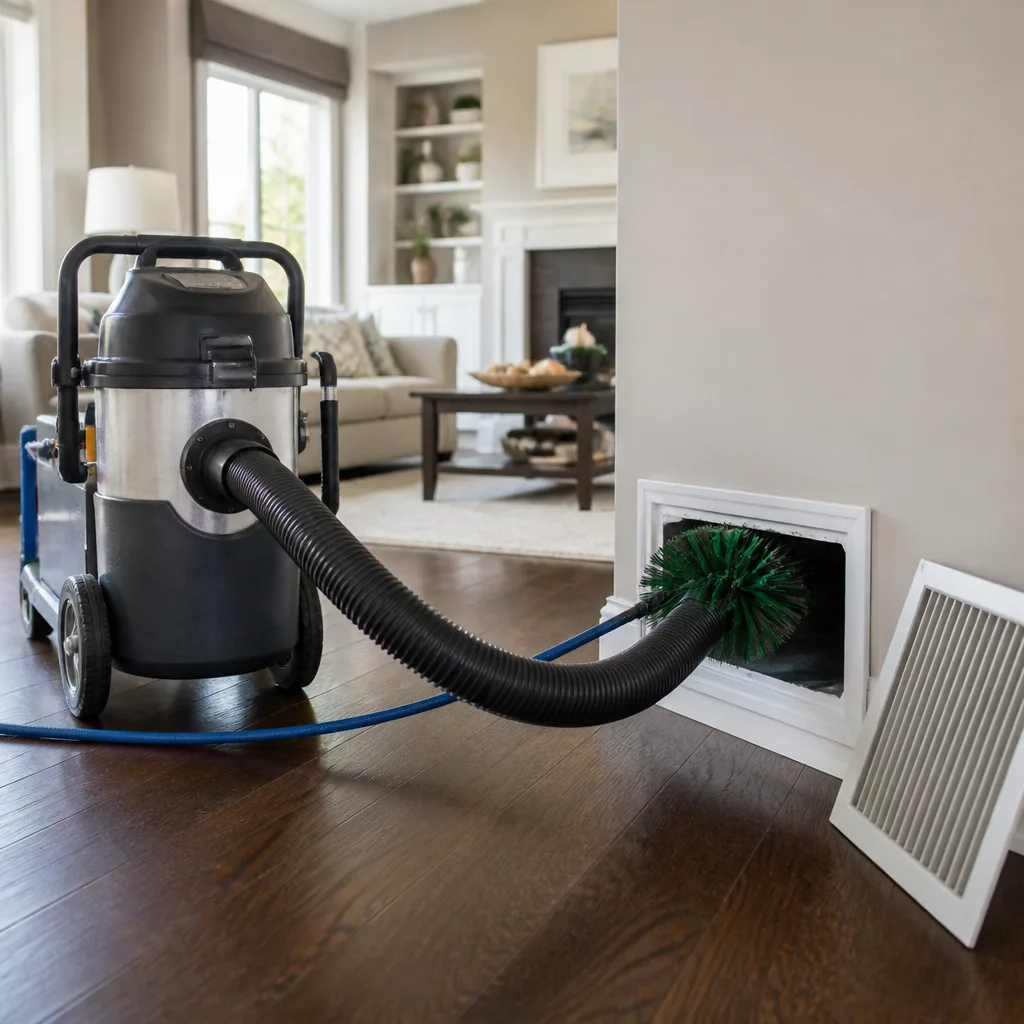 Whole-home duct cleaning
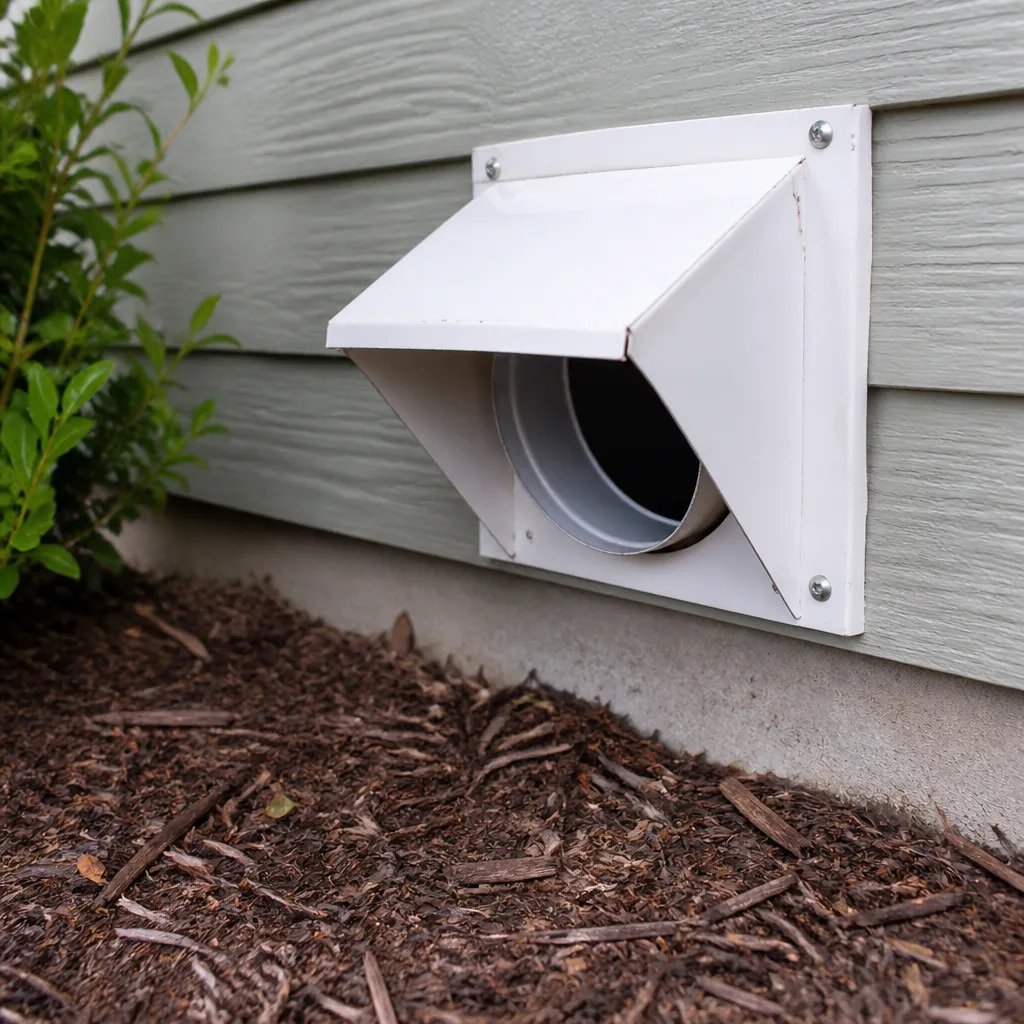 Dryer vent cleaning
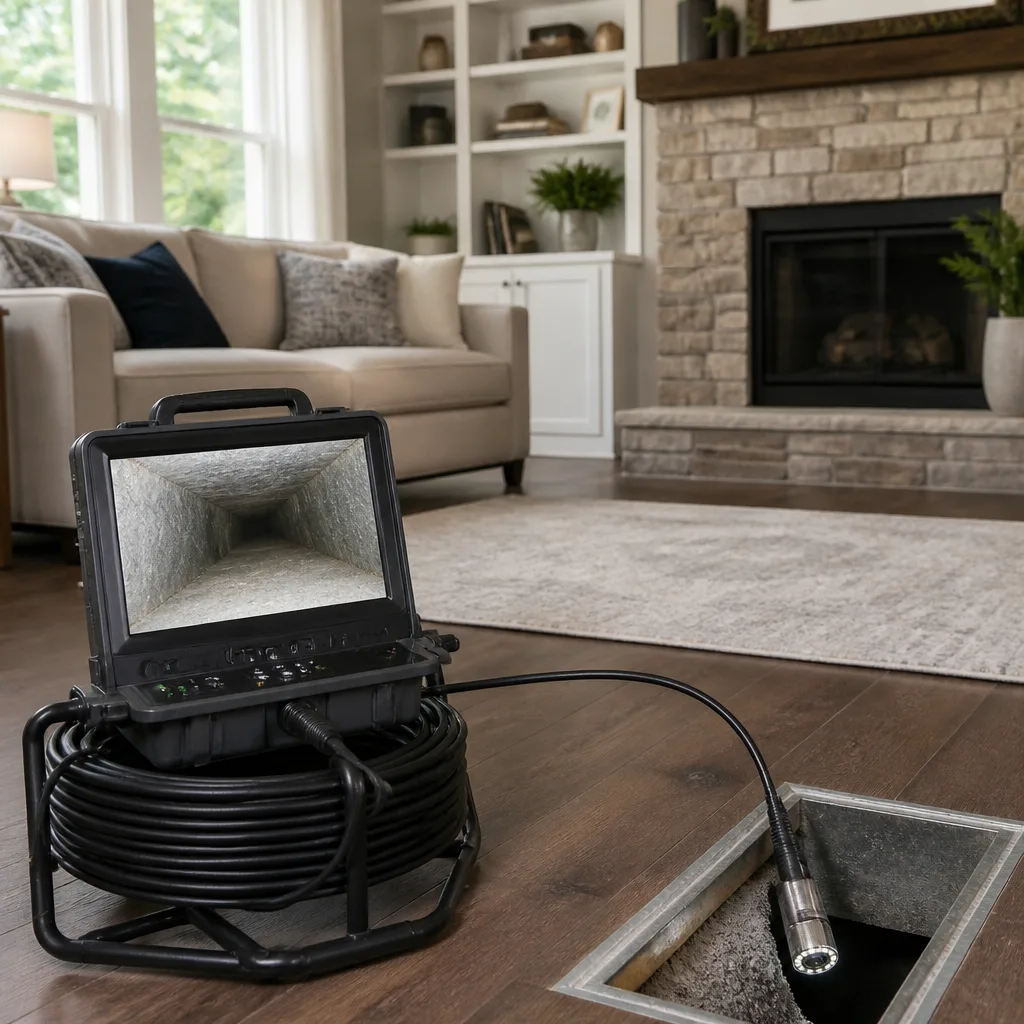 Camera inspection
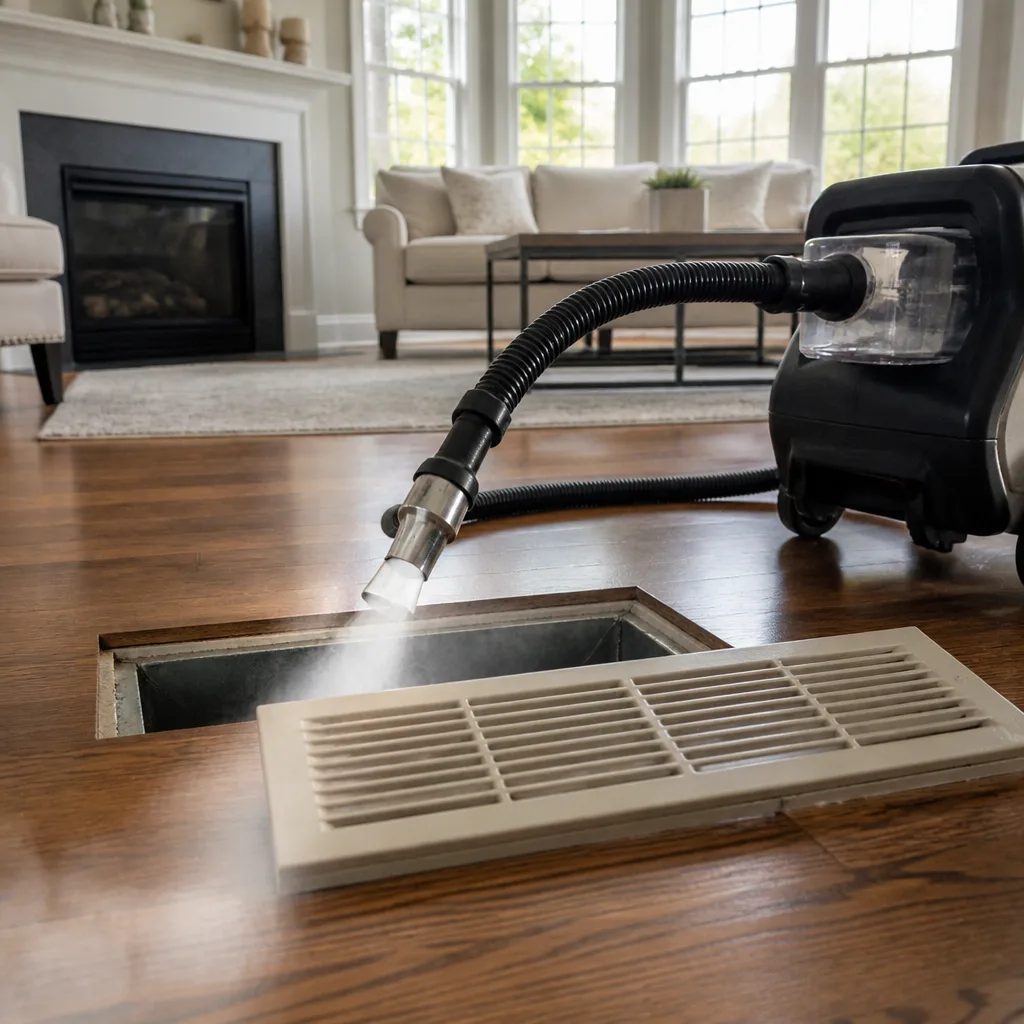 Sanitizing & deodorizing
Whole-system duct and dryer vent check with before-and-after photos - you see exactly what came out of your vents
That "$99 whole-house special" is a bait ad - the real number appears once they are in your hallway, or the "clean" is a shop-vac at the register. We photograph the inside of your ducts before and after instead.
Air Duct Cleaning Permits, Codes & Inspections in Harvey Park, CO: What You Need to Know
The part of this conversation nobody prints on a flyer is the paperwork. Cleaning the inside of your ducts is maintenance in Colorado, and maintenance doesn’t need a permit. But the moment a technician cuts out a crushed flex run, installs a UV system in the supply plenum, or reseals the air handler cabinet, that’s a modification to an HVAC system, and modifications do get pulled into Denver’s permitting rules. If the work happens without a permit, you may not find out until you file an insurance claim and the adjuster asks for documentation that doesn’t exist. This guide walks through where a Harvey Park homeowner should draw the line between cleaning and regulated work, what to ask before signing, and how to check a property’s permit history yourself.
Quick Answer
Cleaning residential air ducts in Harvey Park and the rest of Denver does not require a building permit. Repairing, replacing, or modifying ductwork, adding a UV or filtration system, or resealing certain system components can require a permit through Denver Community Planning and Development. Whether a specific job needs one depends on what’s being changed, not what it’s called on the invoice.
Styles & brands we work with
- Whole-home duct cleaning
- Dryer vent cleaning
- Camera inspection
- Sanitizing & deodorizing
Table of Contents
- Cleaning vs. modification: where the permit line sits
- How Denver Community Planning and Development classifies duct work
- When mold inside ductwork becomes regulated abatement
- How duct sealing with mastic or aerosol sealant is classified
- What to ask a Harvey Park contractor about licensure
- How to pull your property’s permit history
- What an inspection of your air system actually covers
- Common mistakes to avoid
- When to call a professional
Cleaning vs. Modification: Where the Permit Line Sits
The regulatory line in Denver isn’t drawn around the word “duct.” It’s drawn around what happens to the system. Cleaning removes accumulated dust, debris, and biological growth from surfaces that already exist. Modification changes the size, material, location, or configuration of those surfaces, or adds a new component to the air pathway.
Here’s a working breakdown that covers most residential jobs in Harvey Park:
- No permit typically required: source removal cleaning of supply and return ducts, register and grille cleaning, blower and coil cleaning, dryer vent clearing, and sanitizing of existing duct interiors with an applied product.
- Permit may be required: cutting in a new supply run, replacing a section of flex or hard duct, relocating a return, changing duct sizing to correct static pressure, installing a UV-C unit or whole-home media filter cabinet, and rebuilding a plenum.
- Ask the building department directly: sealing joints inside wall cavities or chases, adding a zoning damper, and any work that alters the mechanical system’s rated performance.
Why does this matter to a homeowner who called for a cleaning? Because the two jobs are often sold together and rarely separated on the estimate. A technician opens up a return chase, finds a run that’s collapsed and disconnected, and the honest fix is to replace it. That replacement is duct work that requires a permit. A company that handles the repair in-house without mentioning it has cut a regulatory corner, and the paper trail you’d need later doesn’t exist.
We handle duct repair and sealing as one of our core services, but we tell Harvey Park customers plainly which parts of a job fall under cleaning and which parts touch the permitting threshold. That distinction is worth understanding before anyone shows up at your door.
How Denver Community Planning and Development Classifies Duct Work
Denver’s building department, Community Planning and Development, reviews HVAC work through its building permit and inspection process. The short version for homeowners: routine maintenance and repair of an existing system is generally treated differently than installation of new equipment or reconfiguration of the distribution system. Duct cleaning is maintenance. Duct replacement, extension, or alteration is closer to installation.
You don’t have to become a code expert to protect yourself. You do need to ask two questions, and the answers tell you a lot about the company on your doorstep:
- “Is any part of today’s job a repair or modification, not just cleaning?” If the answer is a flat “no” without looking, be skeptical. If the answer is “we’ll know once we’re inside,” that’s usually honest, and it means you should agree before work starts that any repair gets discussed with you first.
- “If repair is needed, does that require a permit, and who pulls it?” The right answer names the permit, explains who files it, and confirms the work gets inspected. The wrong answer is a shrug or a promise that “it’s fine, we do these all the time.”
Denver’s older housing stock makes this more relevant than it sounds elsewhere. Harvey Park’s mid-century homes were built with duct systems that predate modern sizing and sealing standards. Plenty of them have already been modified at least once, sometimes by a previous owner, sometimes by a contractor who took a shortcut. Walking into an unfamiliar system, we can’t assume it matches its original drawings. We assume it doesn’t, and we check.
If you want the source of truth for your own address, Denver’s online permit portal lets you search by address and see what’s been filed. More on that below. Once a system is confirmed sound, the routine side of the job is straightforward air duct cleaning, which needs no permit and leaves no documents to track.
When Mold Inside Ductwork Becomes Regulated Abatement
This is the single most misunderstood part of duct work in Colorado, and it’s the reason homeowners sometimes get a quote that seems to double without explanation.
Cleaning a duct system with light surface growth on the interior is cleaning. It involves source removal, HEPA filtration, and a sanitizing application to the existing surfaces. That’s the routine version of the job, and the equipment matters: we run Rotobrush rotary contact cleaning to physically agitate buildup off the duct walls, then capture debris with Abatement Technologies filtration equipment, which is the same class of negative-air machinery used in commercial remediation work. Consumer-grade vacuums don’t hold that capture.
Mold remediation crosses a different threshold when the work involves removal of porous materials that are contaminated, containment of a defined work area, or a scope that a state guideline would call remediation rather than cleaning. The Colorado Department of Public Health and Environment publishes guidance on mold assessment and remediation, and it sets expectations about who should do what. When the growth inside a system is extensive rather than incidental, the honest answer is that the job may need to be scoped as remediation, with the documentation that goes with that classification.
What should a Harvey Park homeowner do with that? Ask three things:
- How much growth is there, and how was it determined? (Visual confirmation and photos, not a guess.)
- Is the scope cleaning the existing surfaces, or removing contaminated material?
- What happens if the scope changes once the system is opened up?
A company that can handle sanitizing in-house but hands off true remediation to a specialist is being honest. A company that calls everything “mold removal and sanitizing” without a scope is hedging.
How Duct Sealing With Mastic or Aerosol Sealant Is Classified
Sealing leaky duct joints is one of the highest-value things you can do to a heating and cooling system, and it’s also one of the messier classification questions. Mastic sealing is applied by hand to accessible joints. Aerosol sealing, which is the injectable approach associated with Aeroseal, seals leaks from the inside of the ductwork by misting a sealant through a pressurized system. Both reduce the same problem: conditioned air escaping into a crawlspace, attic, or wall cavity before it reaches a room.
Here’s the classification picture as it typically plays out in Denver:
- Accessible joint sealing with mastic is generally treated as maintenance and repair, and a permit is not typically required for touch-up and targeted resealing of connections you can reach.
- Aerosol sealing is more often classified closer to a system modification, since it changes the flow and pressure characteristics of the duct system and involves pressurizing the assembly. Whether a permit is triggered can depend on the scope and the contractor’s read of the project. Ask.
- Sealing that alters or reconfigures ductwork (rebuilding a plenum, closing off a run permanently) moves into permit territory.
Documentation is worth more than the classification debate. Whatever method is used, ask for a written record of what was sealed, the before-and-after leakage measurements if the method produces them, and which joints or areas were treated. A one-line invoice that says “duct sealing” tells a future inspector or buyer almost nothing. A short report with photos and numbers tells them everything.
We recommend reading any sealing proposal carefully enough to know whether the work is happening in accessible areas, inside wall cavities, or through the entire distribution system, because the paperwork burden follows the scope. If the scope includes resealing a plenum or replacing duct sections, you’re in the modify-the-system bucket, and that’s a conversation about permitting before anyone opens a can of mastic.
What to Ask a Harvey Park Contractor About Licensure
Colorado requires HVAC contractors to be licensed, and companies that perform duct repair, sealing, and system modification as part of a cleaning job are held to that standard. The distinction most homeowners miss is that a company operating as an HVAC contractor carries a licensed credential; a company that only vacuums ducts may not. The work you’re being quoted tells you which one you actually need.
We’re the first to say that a straightforward cleaning job doesn’t call for an HVAC license to perform. But if the visit turns into duct repair, UV installation, or a system modification, the technician doing it should be operating under a licensed contractor. Before you book, run through this list:
- Ask whether the company is licensed as an HVAC contractor. If the job involves repair or modification, the answer should be yes, and they should be able to tell you plainly.
- Ask whether they carry general liability insurance and how it applies to work inside your home. A company that can’t answer this clearly is a risk.
- Ask who does the actual work. Technicians who are experienced and trained on professional equipment, not day labor with a shop vacuum.
- Ask what kind of equipment shows up. Professional rotary contact cleaning systems and HEPA filtration are the standard for a real clean. A portable vacuum and a brush is a visual pass.
- Ask for the estimate in writing before work starts. One flat price per system, agreed in advance, is the honest way to sell.
Our technicians have up to 12 years of experience, and the equipment we use is the same class of gear commercial contractors run. Rotobrush and Nikro systems for cleaning, Abatement Technologies filtration for capture, and Honeywell and Aprilaire air-quality products when the job warrants them. That breadth of capability is useful, but the credential question comes first. Ask it.
How to Pull Your Property’s Permit History
If you’re buying a Harvey Park home, or you’re about to spend money on a system you inherited, checking the permit history is one of the highest-value 15 minutes you can spend. It tells you what’s been changed, whether it was inspected, and whether the system in your house matches the one the county knows about.
Here’s the process in order:
- Find your address in Denver’s online permit portal. Denver Community Planning and Development maintains a searchable record of permits and inspections by address.
- Search for HVAC permits specifically. Look for mechanical or HVAC permits and any associated inspections. A permit with a passed final inspection tells you the work was reviewed.
- Note any gaps between what you see and what’s on file. A duct system that’s clearly newer than the house, with no corresponding permit record, is a red flag worth asking about.
- Ask a contractor to reconcile the file with what’s physically there. During an assessment, a technician can tell whether the ductwork matches the era of the home or has been altered.
- If a prior permit was pulled but never finalized, ask what that means. Unfinalized permits are common in older homes and usually resolvable, but you want it on your radar before closing.
For landlords and property managers running multiple units in Harvey Park, this process pays off the fastest. A simple permit check per unit makes tenant air-quality conversations much easier, since you can speak to what’s documented rather than what you’ve been told.
Once the history is clear, the physical check is a full-system HVAC cleaning assessment, which looks at the whole air pathway rather than just the visible ducts.
What an Inspection of Your Air System Actually Covers
An inspection during a duct cleaning visit isn’t the same as a code inspection by the city. It’s a practical assessment of whether the system is doing its job, and it should cover four things: the condition of the ductwork itself, the performance of the blower and coil, the seal integrity of joints and plenums, and the adequacy of the return air path.
We work through it in order:
- Duct condition: material integrity, disconnected joints, crushed or collapsed runs, and any evidence of moisture or biological growth.
- Equipment condition: the blower wheel, the evaporator coil, and the filter housing. A blower caked in dust moves less air and does so with more effort.
- Seal integrity: joints at the plenum, the trunk, and the takeoffs, plus any accessible connections in wall cavities.
- Return path: whether the return side is undersized, blocked, or starved by furniture and door undercuts.
Where the inspection findings require repair, the fix belongs in a licensed scope. Where they simply require cleaning, the fix is cleaning. That’s the natural point to note that dryer vent cleaning is often bundled into a full-system visit for a simple reason: a clogged dryer vent is a well-documented fire risk, and the ductwork, the vent, and the equipment that moves the air are all one system.
Common Mistakes to Avoid
- Assuming a permit is always required, or never. Cleaning typically doesn’t need one; repair and modification typically do. The right answer depends on the scope.
- Letting a technician “clean” their way into a repair without a paper trail. A crushed flex run replaced during a cleaning visit with no documentation is work your insurance may not cover if a claim arises.
- Accepting a verbal scope change without a written estimate revision. If the job grows once the system is open, you should see the revised scope and price in writing before the technician proceeds.
- Skipping the permit history check on a Harvey Park purchase. Older homes with modified systems are common here, and a 15-minute portal search is cheap insurance against surprises.
- Hiring an unlicensed crew for HVAC modification work. Cleaning and repair look similar on a truck, but one of them carries a licensure requirement.
- Treating mold inside ductwork as a cleaning problem when it’s a remediation problem. If the growth is extensive, the scope changes, and so should the documentation.
- Not asking for before-and-after photos. Any sealing or cleaning job should produce a visual record of the actual ducts in your home, not stock photos.
See the difference
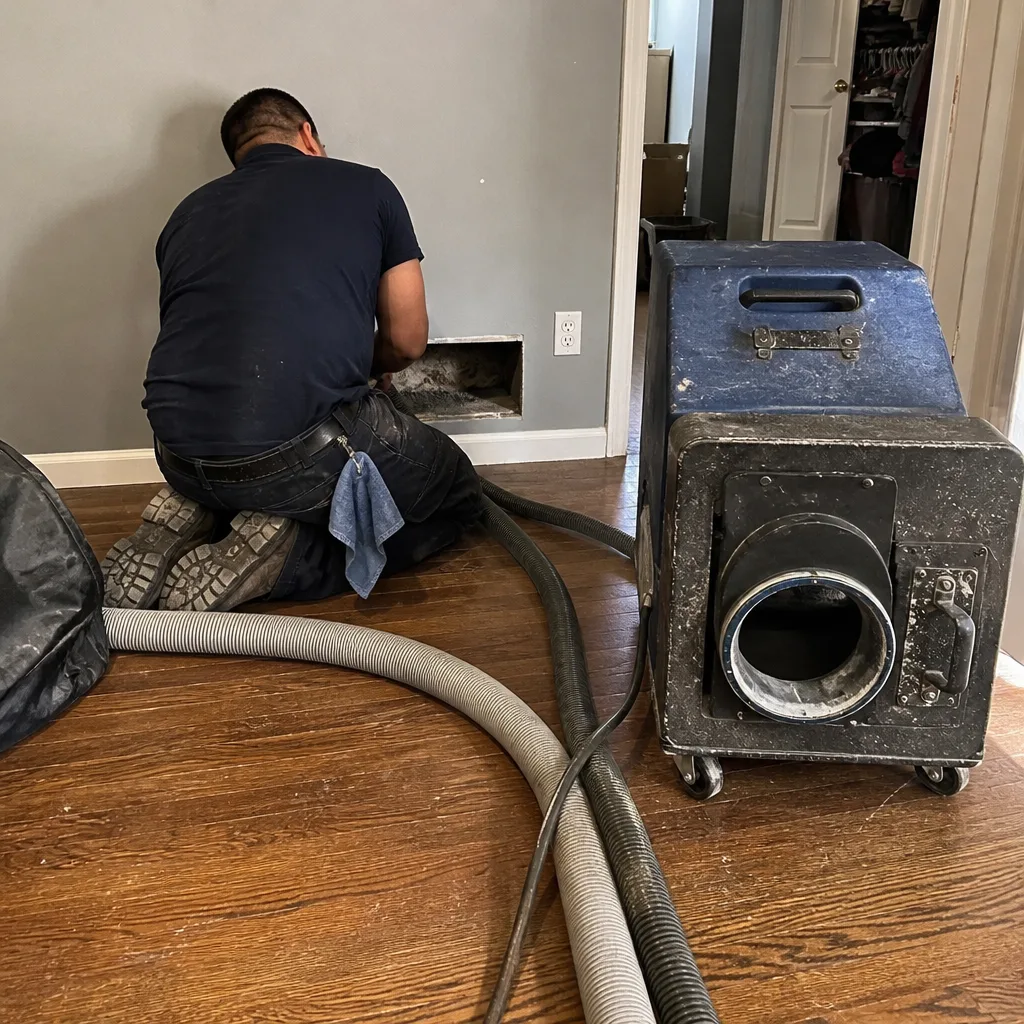 Before
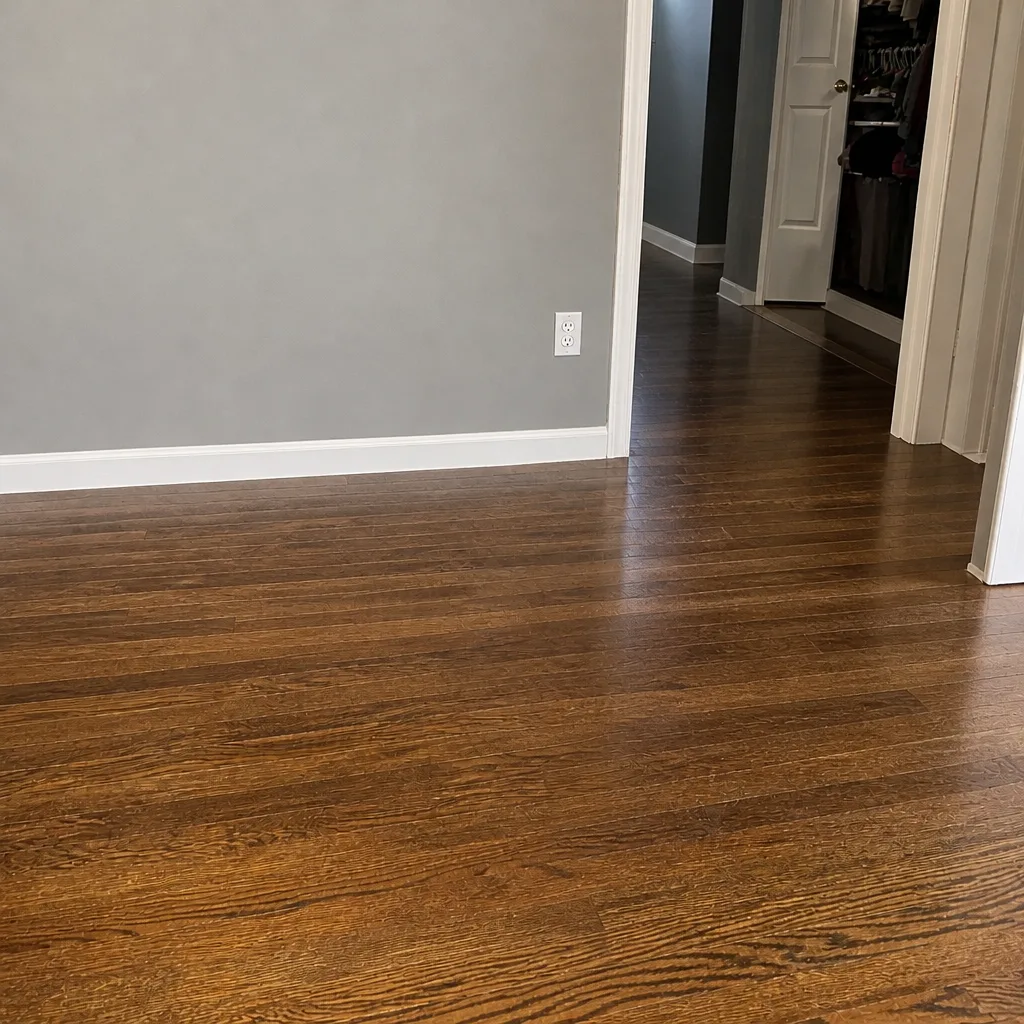 After
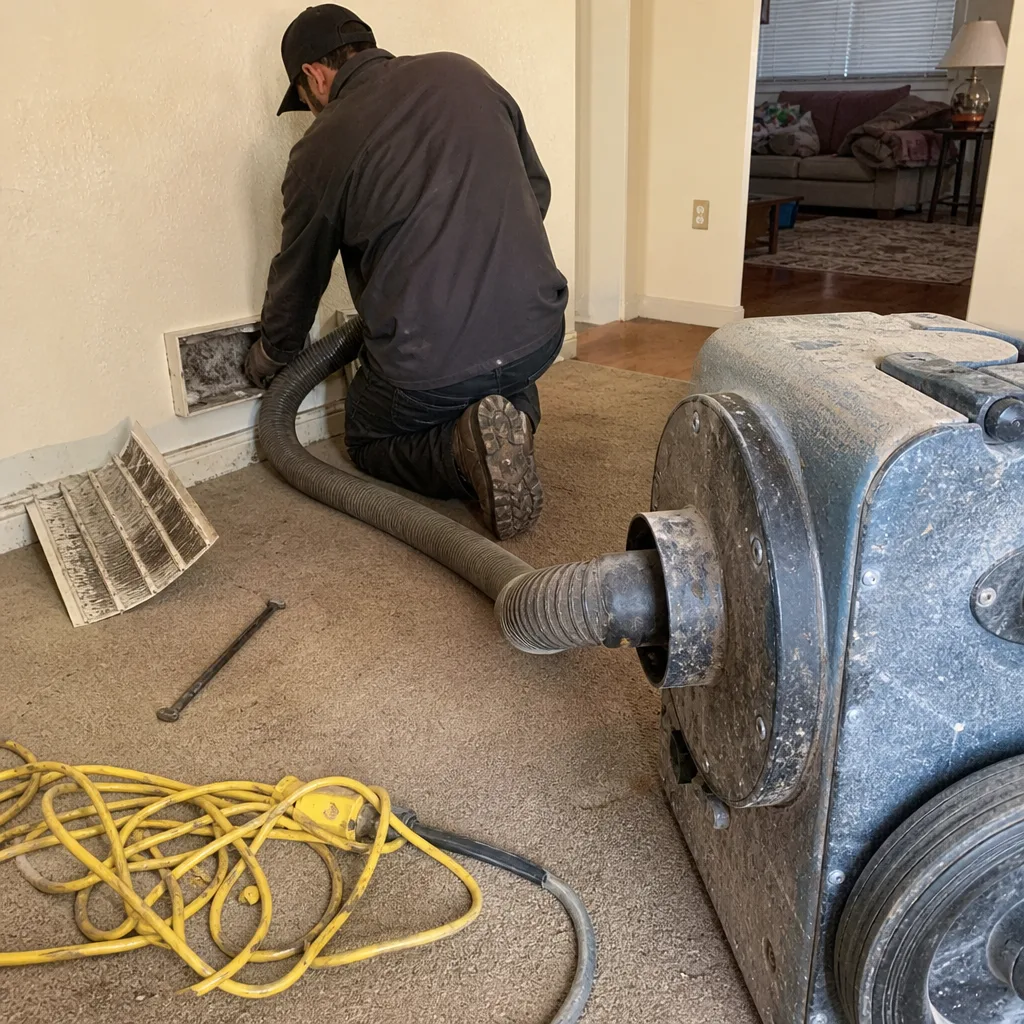 Before
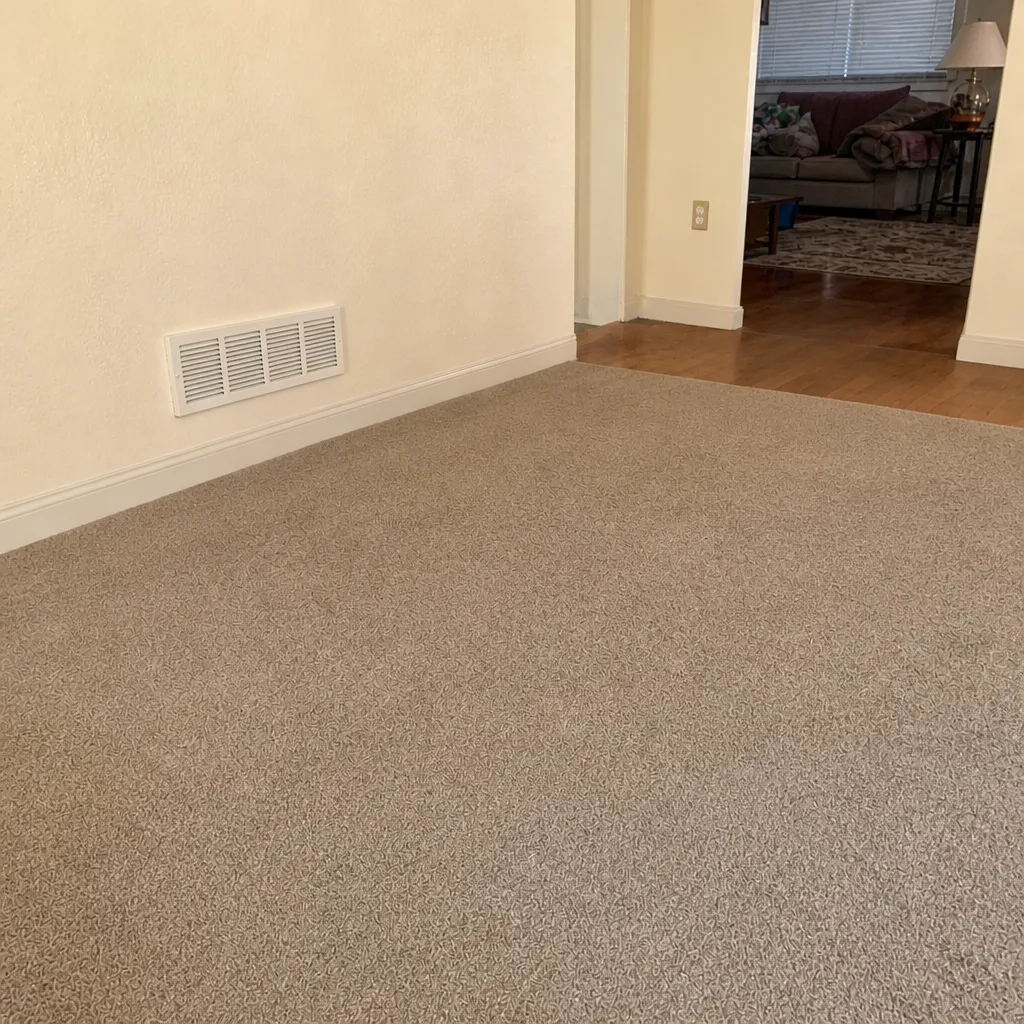 After
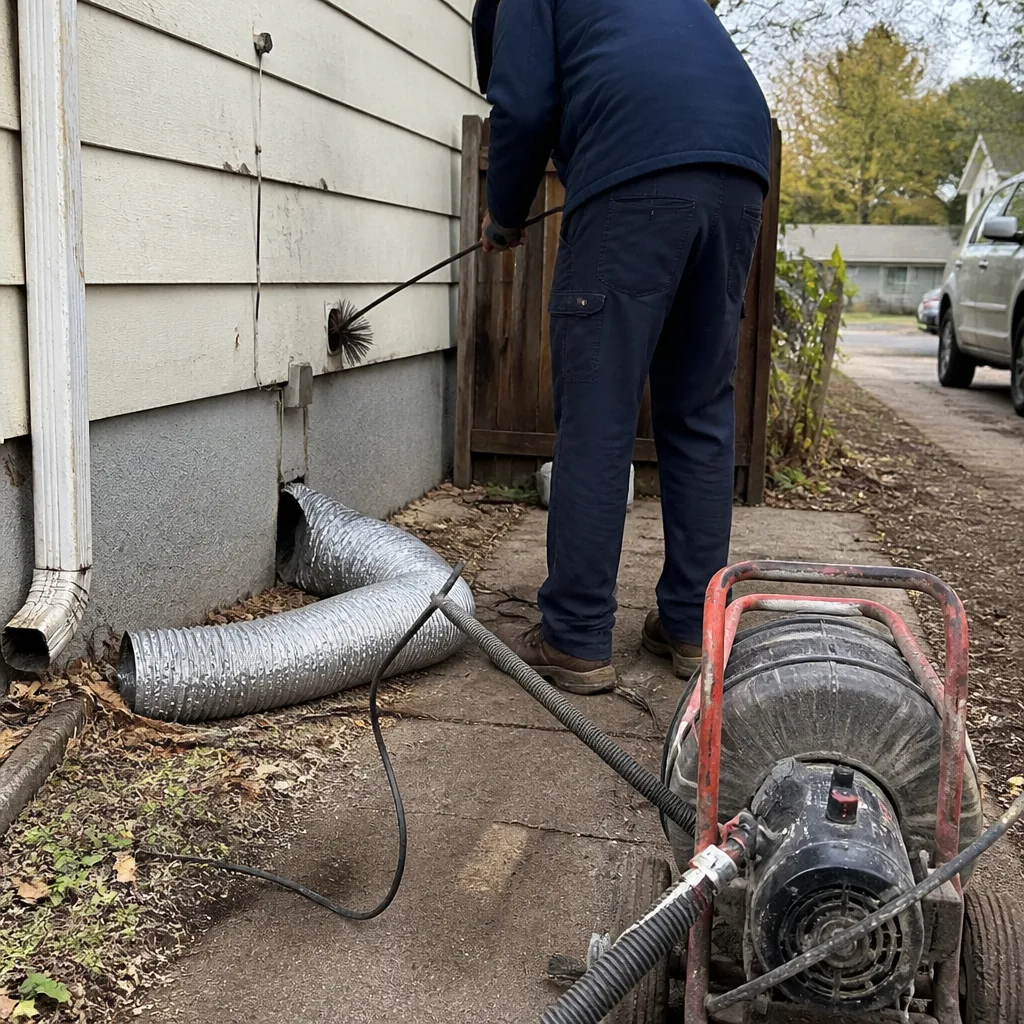 Before
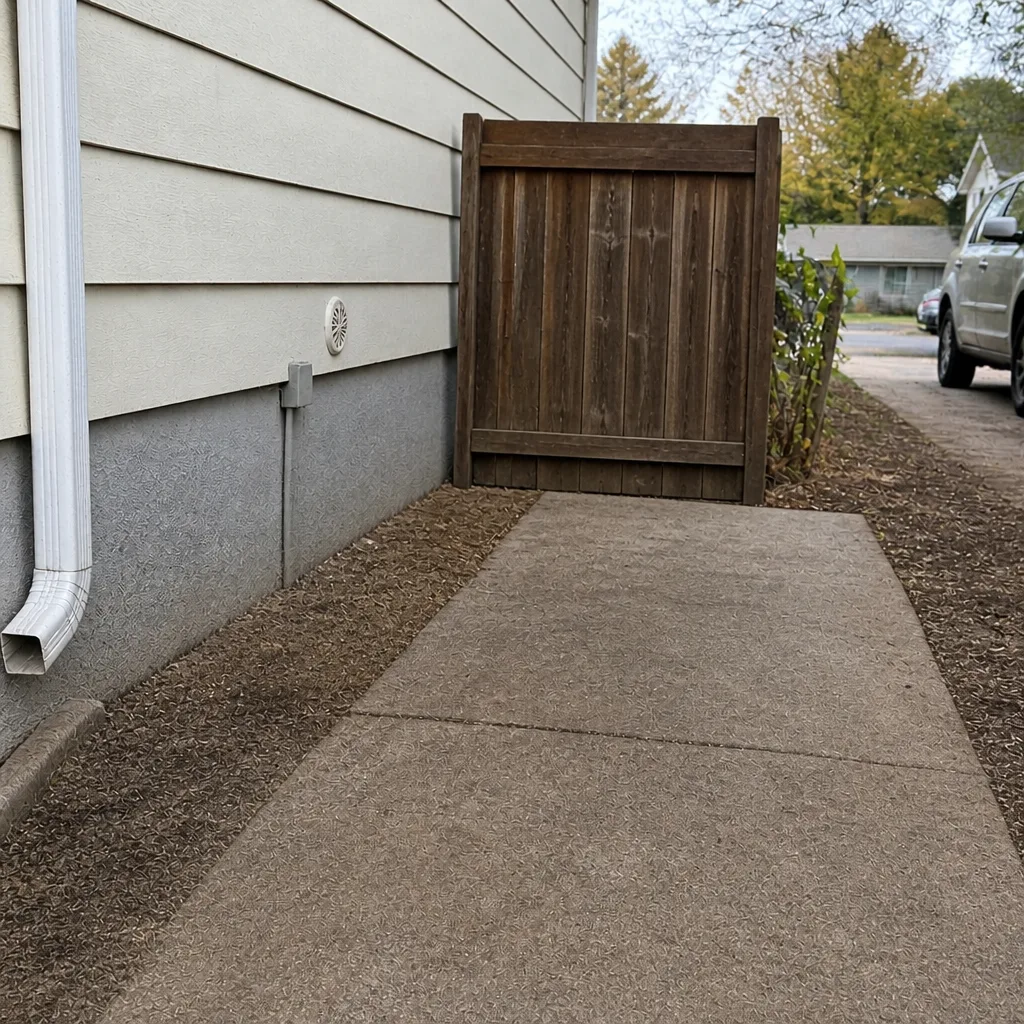 After
When to Call a Professional
Some signs are clean cut, and others are a working assessment. Call us when you’re seeing dust that settles back on surfaces within days of cleaning, when a room is noticeably harder to heat or cool than the rest of the house, when there’s a musty smell you can’t place after a deep clean, or when a dryer is taking longer than it should to dry a load. Call us when you’ve bought a home with an unfamiliar system and you don’t know what’s been done to it. Call us when the estimate you’ve received looks cheap enough that it doesn’t add up, and ask us the questions on this page.
Air Duct Cleaning Harvey Park offers free estimates in Harvey Park. Call (833) 660-4969. We answer 24/7. Fast dispatch from 7am to 7pm, Sunday through Friday. Every job is priced per system, agreed with you in writing before work starts, and photographed before and after so you can see what changed.
Frequently Asked Questions
No. Routine cleaning of an existing residential duct system in Denver doesn’t require a building permit. Cleaning is maintenance. The permit question changes when the work becomes repair, replacement, or modification of the duct system or its equipment.
It depends on method and scope. Accessible joint sealing with mastic is generally treated as repair and doesn’t typically require a permit. Aerosol sealing and any sealing that reconfigures ductwork are more often classified as modification, and a permit may be required. Ask the contractor to explain which one applies before work starts.
Use Denver Community Planning and Development’s online permit search, look up your address, and review the mechanical and HVAC permit records along with their inspection outcomes. Gaps between what’s physically in the home and what’s on file are worth asking about, especially on older Harvey Park properties.
Colorado requires HVAC contractors to be licensed. A company performing duct cleaning alone may not operate under that license, but any company performing duct repair, replacement, or system modification as part of a cleaning job is held to the HVAC contractor standard. Ask directly before booking.
When the scope shifts from cleaning surfaces to removing contaminated porous material or containing a defined work area, the job is generally scoped as remediation. Colorado Department of Public Health and Environment guidance covers that distinction. If the growth you’re seeing is extensive rather than incidental, expect the scope and documentation to change, and ask for both in writing.
Because the inside of a duct system isn’t visible until it’s opened. A disconnected run or a collapsed section found during the cleaning is a legitimate finding, not a sales tactic, provided you’re shown it and the revised scope is put in writing before any repair work begins. If a company won’t show you the issue and document it, ask them to. Then call (833) 660-4969 for a free estimate on the repair if you want a second opinion.
The Bottom Line
Cleaning your ducts in Harvey Park doesn’t require a permit. Repairing, replacing, or modifying the system does. That single distinction is the whole guide. The work you should worry about most is the work that gets bundled into a cleaning visit and never gets documented, whether it’s a replaced flex run, a resealed plenum, or an installed air-quality component. Ask what’s being done, ask whether it’s cleaning or modification, ask who’s licensed for the repair, and check your property’s permit history before you spend money on a system. The cleaning companies that answer those questions plainly are the ones worth calling back. The rest are telling you something, even if it’s what they don’t say.
Call (833) 660-4969 for a free estimate. We answer 24/7. Fast dispatch from 7am to 7pm, Sunday through Friday. Once the assessment is complete, we can walk through air duct cleaning in Harvey Park and the full picture of what your system needs.
Written by the team at Air Duct Cleaning Harvey Park.