
Last updated November 24, 2026
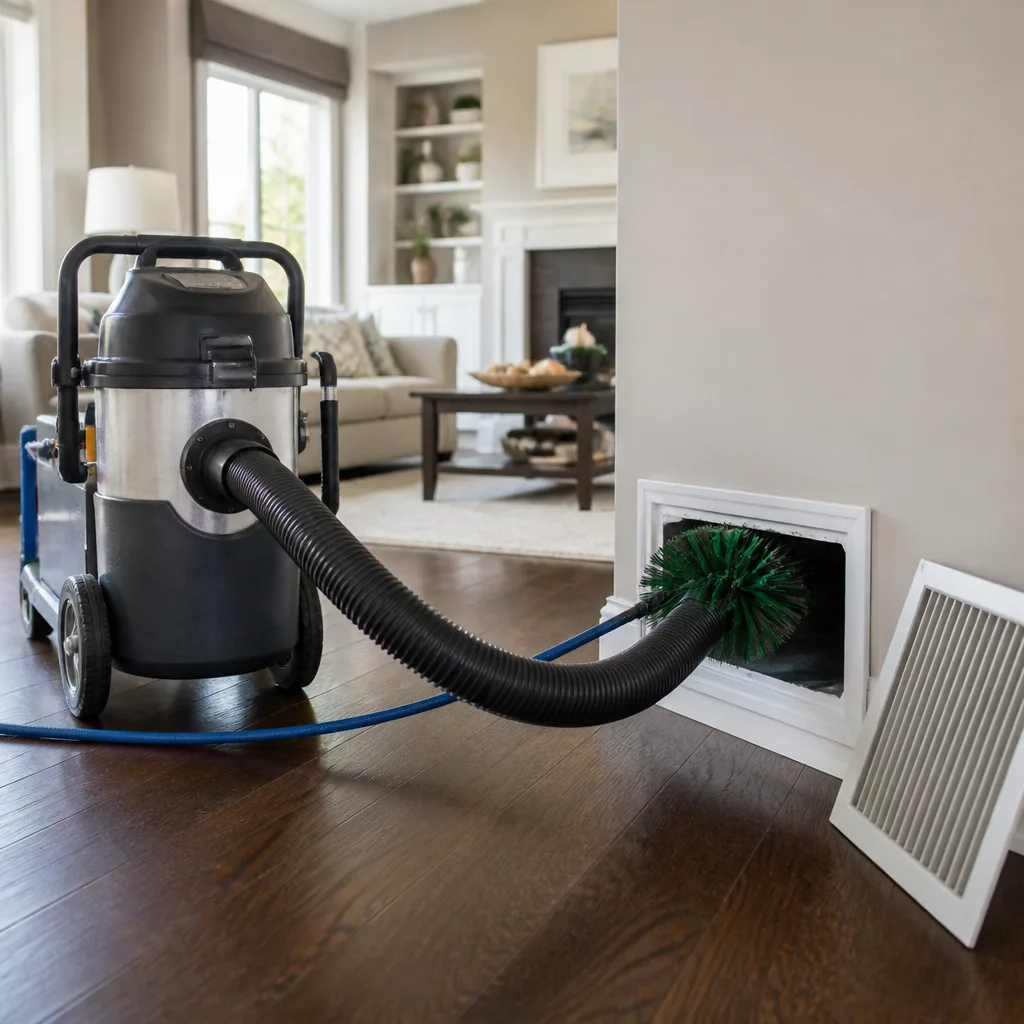 Whole-home duct cleaning
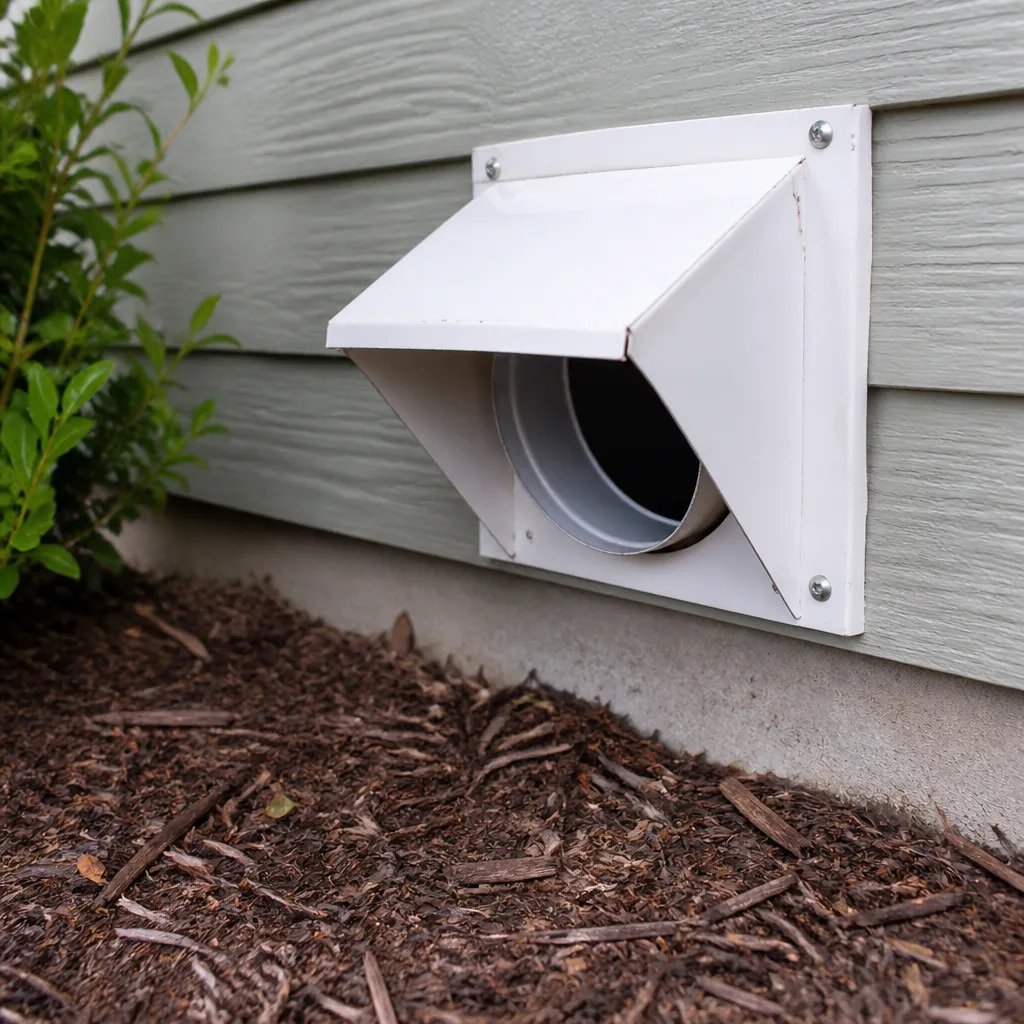 Dryer vent cleaning
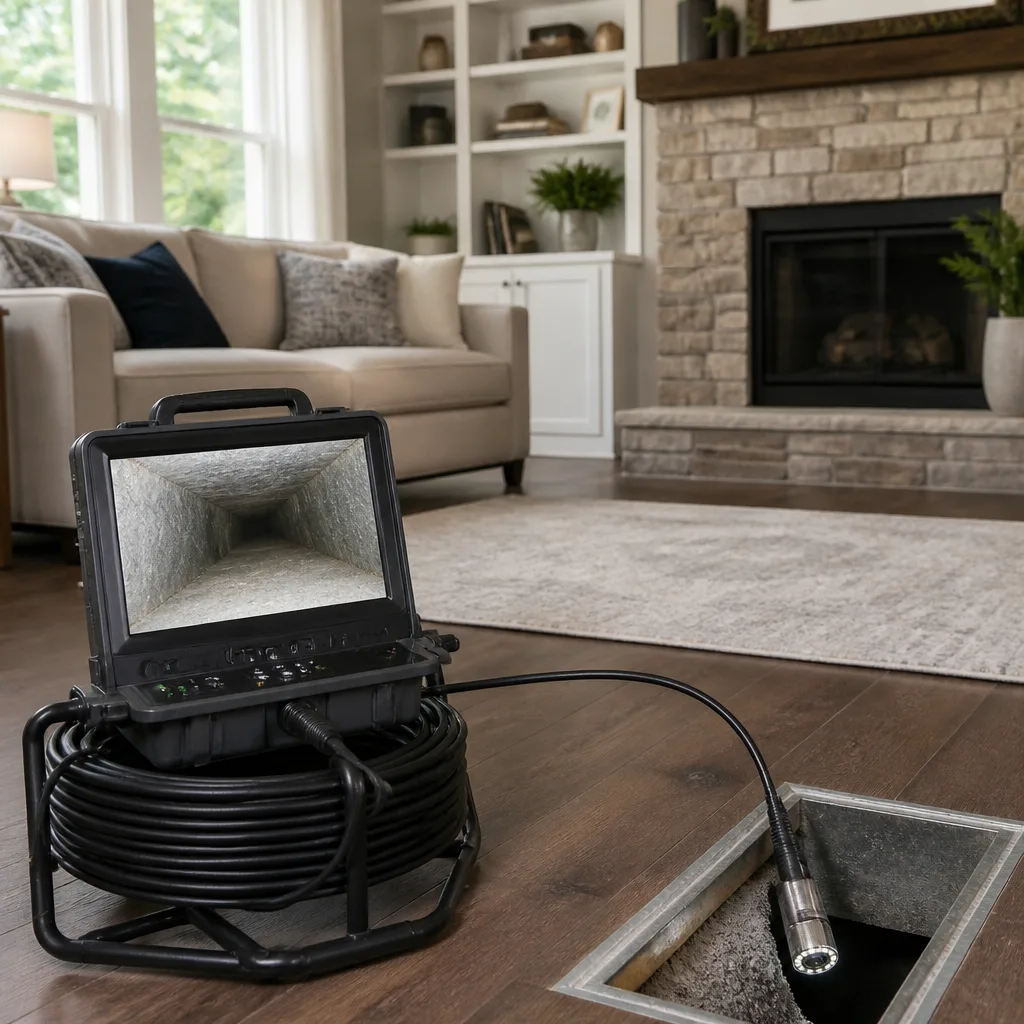 Camera inspection
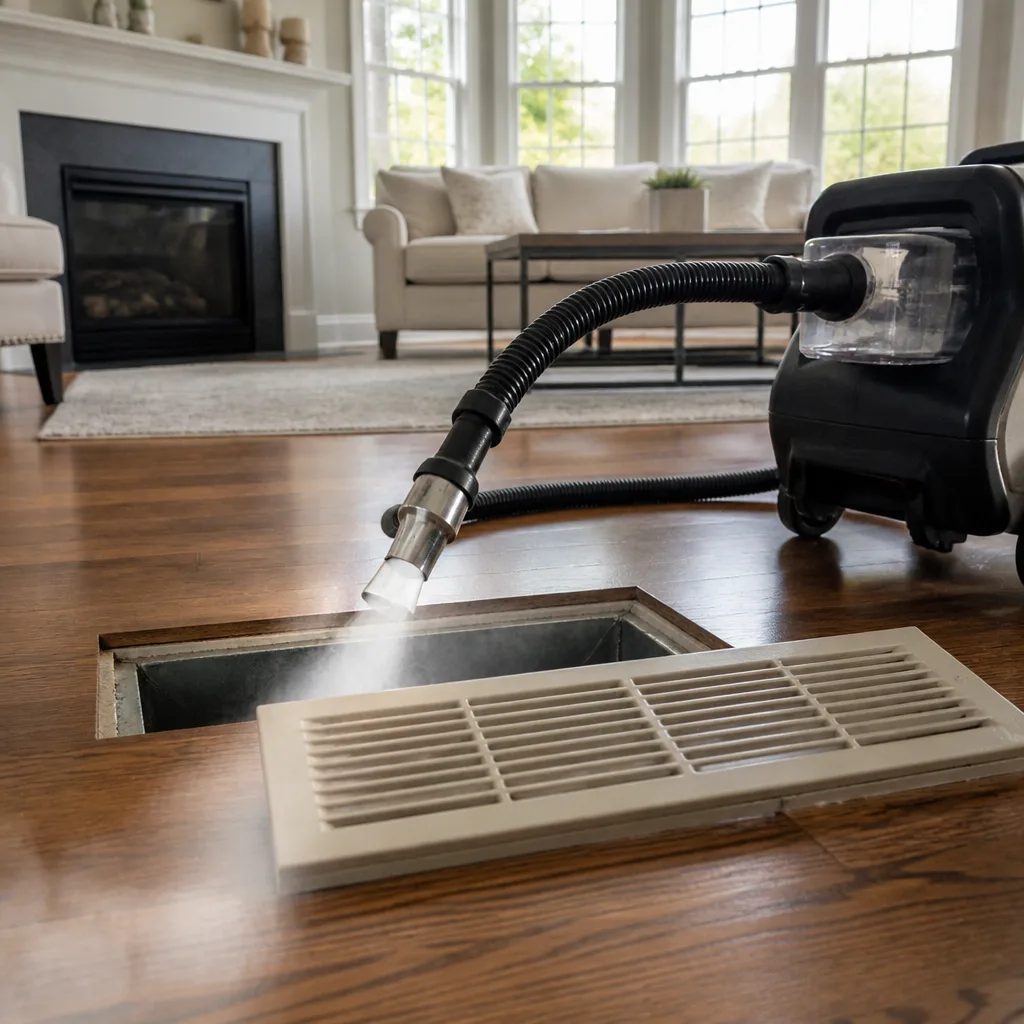 Sanitizing & deodorizing
Whole-system duct and dryer vent check with before-and-after photos - you see exactly what came out of your vents
That "$99 whole-house special" is a bait ad - the real number appears once they are in your hallway, or the "clean" is a shop-vac at the register. We photograph the inside of your ducts before and after instead.
The Complete Guide to Air Duct Cleaning in Harvey Park
Most people think duct cleaning means vacuuming the dust you can see through the vent grilles. It doesn’t. The dust you can see is the least of it. The stuff that matters sits in the supply trunks, the return plenums, the coil housing, and the drain pan, places a shop-vac and a brush on a stick never reach. Harvey Park has its own version of this problem, and it starts with the houses. The neighborhood’s ranch-style and mid-century layouts hide long horizontal duct runs and underslab returns that collect buildup quietly for years. This guide explains what a real full-system clean covers, why elevation matters here, and how to tell whether the work was actually done.
Quick Answer
A complete air duct cleaning in Harvey Park means cleaning the entire air pathway, not just the visible branch runs: supply trunks, return plenums, the coil housing, and the drain pan, using professional rotary-brush contact equipment and negative-air filtration. At Harvey Park’s roughly 5,400-foot elevation, thinner air makes your blower work harder to move the same volume, so particulate settles in the ducts faster than it would at lower elevations. A legitimate job ends with verification, airflow measurement and camera inspection, and written documentation.
Styles & brands we work with
- Whole-home duct cleaning
- Dryer vent cleaning
- Camera inspection
- Sanitizing & deodorizing
Table of Contents
- What a Full-System Clean Actually Covers
- How Harvey Park’s Housing Stock Shapes Your Duct System
- Why Elevation Changes the Equation in Harvey Park
- Negative-Pressure Vacuum vs. Portable Units at Denver Metro Elevations
- Rotary-Brush Contact Cleaning: Why a Vacuum Alone Isn’t Enough
- Post-Clean Verification: The Only Proof That Counts
- What Documentation You Should Receive
- Duct Repair and Sealing: Fixing What Cleaning Finds
- Dryer Vent Cleaning: The Other Half of Your Air System
What a Full-System Clean Actually Covers
Most duct cleaning quotes describe vacuuming the branch runs, the short ducts that feed each register. That’s maybe a third of the system. The parts that matter most for air quality and equipment life are the ones nobody sees from the living room. When we describe a full-system clean, these are the components on the list.
- Supply trunks. The main rectangular or round ducts that carry conditioned air from the air handler. Buildup here restricts flow to every branch downstream.
- Return plenums. The large return-air chamber that feeds the air handler. In many Harvey Park homes this runs through a closet or utility space, and it collects dust at a rate most homeowners never suspect.
- Coil housing. The enclosure around the evaporator coil. Dust and biological growth on the coil itself reduce heat transfer and force the system to run longer.
- Drain pan. The pan under the coil that collects condensate. Standing water and debris in a drain pan is a common source of musty odor.
- Branch runs and registers. The visible ducts and the boots behind each vent.
- Air handler cabinet. The fan compartment and blower wheel, which collect dust that then re-enters the airstream.
Cleaning only the branch runs and calling it a day is the most common shortcut in this trade. It leaves the trunk and plenum untouched, and it costs the homeowner money for partial work. If a quote only mentions “vents” or “registers,” ask what happens to the trunk, the coil housing, and the drain pan. The answer tells you whether the job is full-system or not.
How Harvey Park’s Housing Stock Shapes Your Duct System
Harvey Park was built largely in the 1950s and 1960s, and the ranch-style and mid-century homes here have duct systems that behave differently from what you’d find in newer construction. Understanding the layout helps explain why some cleaning jobs are straightforward and others need more time.
The typical Harvey Park ranch has a single-story footprint with the air handler in a central utility closet or the garage. From there, ductwork runs horizontally through the attic or crawlspace to reach the far ends of the house. Those long horizontal runs are the challenge. Air moving slowly through a long duct drops its suspended dust, and the buildup concentrates at the elbows and the last few feet before each register. A truck-mount vacuum at the register pulls weakly on a duct that runs twenty-plus feet to the plenum.
Many of these homes also have underslab return ducts, where the return-air path runs through concrete-encased channels or a panned joist cavity in the floor. Underslab returns are harder to inspect and harder to clean than overhead ducts, and they’re more prone to moisture issues and debris collection. If your home has one, the cleaning plan needs to account for it before anyone pulls a vacuum hose.
Mid-century remodels add another wrinkle. Additions, converted garages, and finished basements often spliced new duct runs onto the original system without matching sizing. The result is a duct layout that’s part original, part retrofit, and it rarely shows up on any drawing. A capable technician maps the system before cleaning, not after.
Why Elevation Changes the Equation in Harvey Park
Harvey Park sits at roughly 5,400 feet. At that elevation, air density is noticeably lower than at sea level. Your HVAC blower moves the same volume of air, but each cubic foot of that air carries less mass. The unit has to work harder to deliver the same heating and cooling effect, and it runs longer to satisfy the thermostat.
Practically, that has two effects on duct cleaning. First, the blower pulls more particulate through the system over a heating or cooling season, because it’s operating more hours. Second, the airflow characteristics inside the ducts differ from what a technician trained at low elevation might expect. Static pressure readings, airflow measurements, and the vacuum performance of any cleaning equipment all shift at mile-high conditions.
This is why a portable shop-vac setup, which already struggles to move enough air to lift settled dust from a trunk line, performs even worse in Harvey Park. Professional equipment is rated and calibrated for the conditions, and a technician who works at this elevation regularly knows how to read the airflow numbers afterward. When a cleaning is done right, the improvement shows up in the static pressure reading and in how quickly the house reaches temperature. That’s a measurable result, not a sales pitch.
Negative-Pressure Vacuum vs. Portable Units at Denver Metro Elevations
The single biggest performance difference in duct cleaning equipment is whether it can put the entire duct system under negative pressure. A negative-pressure, truck-mount or high-capacity vacuum connects to the main trunk and pulls the whole system into a vacuum, so that when a technician agitates dust at a register, the dust moves toward the vacuum, not into your living room.
Portable units are smaller and quieter, and they have their place for tight jobs and specific components. But at Denver metro elevations, a portable unit’s airflow drops fast over a long duct run. On a Harvey Park home with twenty-plus feet of horizontal supply duct, a portable vacuum at the far register may barely move air. Debris loosened by a brush then has nowhere to go, and some of it settles back or escapes into the room.
Negative pressure is also the containment strategy. Abatement Technologies filtration equipment brings remediation-grade negative-air capability to sanitizing jobs, which means the fine particulate and biological material that a rotary brush kicks loose get captured rather than redistributed. That matters on older duct systems where years of buildup sit in the trunk lines.
When you compare quotes, ask what kind of vacuum the company uses and whether it puts the full system under negative pressure. If the answer is vague, the equipment is likely portable-only, and the result will reflect it.
Rotary-Brush Contact Cleaning: Why a Vacuum Alone Isn’t Enough
Vacuuming a duct without physically agitating the buildup is like vacuuming a carpet without moving the beater bar. The surface dust lifts, the embedded layer stays. Rotary-brush contact cleaning is what separates a real duct cleaning from a glorified vacuum pass.
Rotobrush equipment is the industry-standard rotary contact-cleaning system used by professional HVAC contractors. It drives a rotating brush head through the duct, physically scrubbing the walls while the vacuum pulls the loosened material into the filtration system. Nikro professional-grade HVAC cleaning tools handle the harder-access components, the coil housing, the plenum, and the air handler cabinet, where a standard rotary head can’t reach. Together they cover the full air pathway rather than just the easy sections.
Here’s the sequence a full-system rotary clean follows:
- Inspect and map. Confirm the duct layout, identify the air handler, the trunk, the plenum, and any underslab returns, and note problem areas with a camera.
- Set containment. Connect the negative-pressure vacuum to the main trunk and seal the register openings so the whole system is under vacuum before cleaning begins.
- Agitate each section. Run the rotary brush through the branch runs and the supply trunk, scrubbing duct walls while the vacuum captures the loosened debris.
- Clean the components. Use Nikro tools on the coil housing, drain pan, and air handler cabinet, where rotary brush heads can’t go.
- Sanitize where appropriate. Apply sanitizing treatment through the Abatement Technologies filtration setup when inspection shows biological growth or persistent odor.
- Verify and document. Measure airflow, run a camera inspection, and record before-and-after photos of the homeowner’s own ducts.
The agitation step is the one that makes the difference. A vacuum alone moves the loose dust and leaves the bonded layer behind. The brush breaks the bond, and the vacuum captures the result. Both halves of the process are needed.
Post-Clean Verification: The Only Proof That Counts
You can’t see inside your ducts from the living room. That’s why verification is the only way to confirm the work was actually done, and it’s also why the industry has the reputation it does. A crew can leave with your money and never touch the trunk line, and you’d have no way to know without follow-up proof.
Legitimate verification has two parts. First, an airflow measurement before and after cleaning. Static pressure and airflow readings show whether the system is moving air more freely than it was before. Second, a visual camera inspection of the trunk and plenum, with photos the homeowner keeps. If the readings haven’t moved and the photos look like the “before” shots, the cleaning didn’t accomplish what it should have.
In our experience, the before-and-after photo set is the most useful document a homeowner gets. It shows the actual ducts in the actual house, not stock images from a brochure. Ask for it up front, and ask what the airflow numbers are before and after. A company that does full-system work will have both answers ready. A company that doesn’t may get uncomfortable with the question.
What Documentation You Should Receive
A legitimate full-system cleaning ends with a paper trail. Here’s what to expect when the job was done properly:
- Written scope of work. The specific components cleaned, the equipment used, and any areas that couldn’t be accessed and why.
- Before-and-after photos. Images of the trunk, plenum, and at least one branch run, taken at the same angle for comparison.
- Airflow readings. Static pressure or airflow measurements taken before and after cleaning, with the numbers written down.
- Sanitizing record. What product was applied and where, if sanitizing was part of the scope.
- Findings and recommendations. Any duct damage, disconnections, or moisture issues the inspection turned up, with the recommended repair.
- Written estimate for any follow-up repairs. If the inspection found gaps or damage, a per-job written price before any repair work starts.
If a company hands you an invoice with no photos, no readings, and no scope, ask for the missing items before you write the check. A company that did the work will have them.
Duct Repair and Sealing: Fixing What Cleaning Finds
Cleaning a duct system surfaces problems that were invisible before. Disconnected joints, gaps at the register boots, torn flex duct, and improperly sized splices show up once the camera runs through. This is where a full-scope company earns its keep. If the only tool in the van is a vacuum, the cleaning ends and you’re handed off to a separate contractor to fix the leak.
We treat duct repair and sealing as a core service, not a handoff. When a cleaning reveals gaps in the trunk or a disconnected branch, sealing those leaks restores the airflow and stops the dust from getting pulled in from the attic or crawlspace. A leaky return in a Harvey Park attic can pull insulation fibers and attic dust straight into the airstream, which defeats the purpose of cleaning in the first place.
Sealing work follows the cleaning for a reason. You don’t seal over a dirty duct. You clean, then identify leaks with the system under pressure, then repair and seal, then verify the airflow improvement. That sequence is part of what we describe as full-scope capability: one visit to inspect, clean, repair, seal, and sanitize, rather than three contractors and a scheduling headache.
Dryer Vent Cleaning: The Other Half of Your Air System
Most homeowners don’t think of the dryer vent as part of their home’s air system, but it is, and it’s the one duct that carries a real fire risk when it clogs. Lint buildup in a dryer vent restricts airflow, and restricted airflow makes the dryer run hotter and longer. That combination is a documented fire hazard, not a marketing talking point.
A dryer vent clean is a separate line item from HVAC duct cleaning, and it should be. The lint in a dryer vent is denser and more compacted than HVAC dust, and it needs dedicated tools to clear fully. Our dryer vent cleaning service addresses the whole vent run, from the dryer connection to the exterior termination, and clears lint that has compacted along the length of the duct. For a Harvey Park home where the dryer vent runs a long horizontal path to an exterior wall, that’s a worthwhile check on its own schedule.
Pair the dryer vent clean with the HVAC cleaning for a full picture of the home’s air paths. The two jobs share equipment and inspection time, and together they cover the two systems most responsible for indoor air quality and fire safety.
Common Mistakes to Avoid
- Booking the cheapest quote. A low price almost always means a partial job: branch runs only, no trunk, no plenum, no verification. The price looks good because the work is smaller than what you thought you were buying.
- Accepting “vents only” cleaning. The branch runs are a third of the system. If the quote doesn’t include the supply trunk, return plenum, coil housing, and drain pan, ask why and get a revised scope.
- Letting dust blow back into the house. Cleaning without negative pressure redistributes the dust into the living space. Confirm the full system goes under vacuum before any brush touches a duct.
- Skipping the verification step. No airflow reading and no camera inspection means no proof. Harvey Park homeowners should ask for before-and-after photos of their own ducts, not stock images.
- Ignoring duct leaks found during cleaning. A disconnected joint or gap at a register boot pulls attic or crawlspace air into the system. Sealing it is part of the job, not an optional upsell.
- Forgetting the dryer vent. A clogged dryer vent is a fire risk. It runs on its own timeline and shouldn’t wait for the next HVAC cleaning.
- Treating cleaning as a one-time event. Harvey Park homes collect dust fast at this elevation. Plan on a repeat full-system clean based on inspection findings, not on a fixed calendar the company hands you.
See the difference
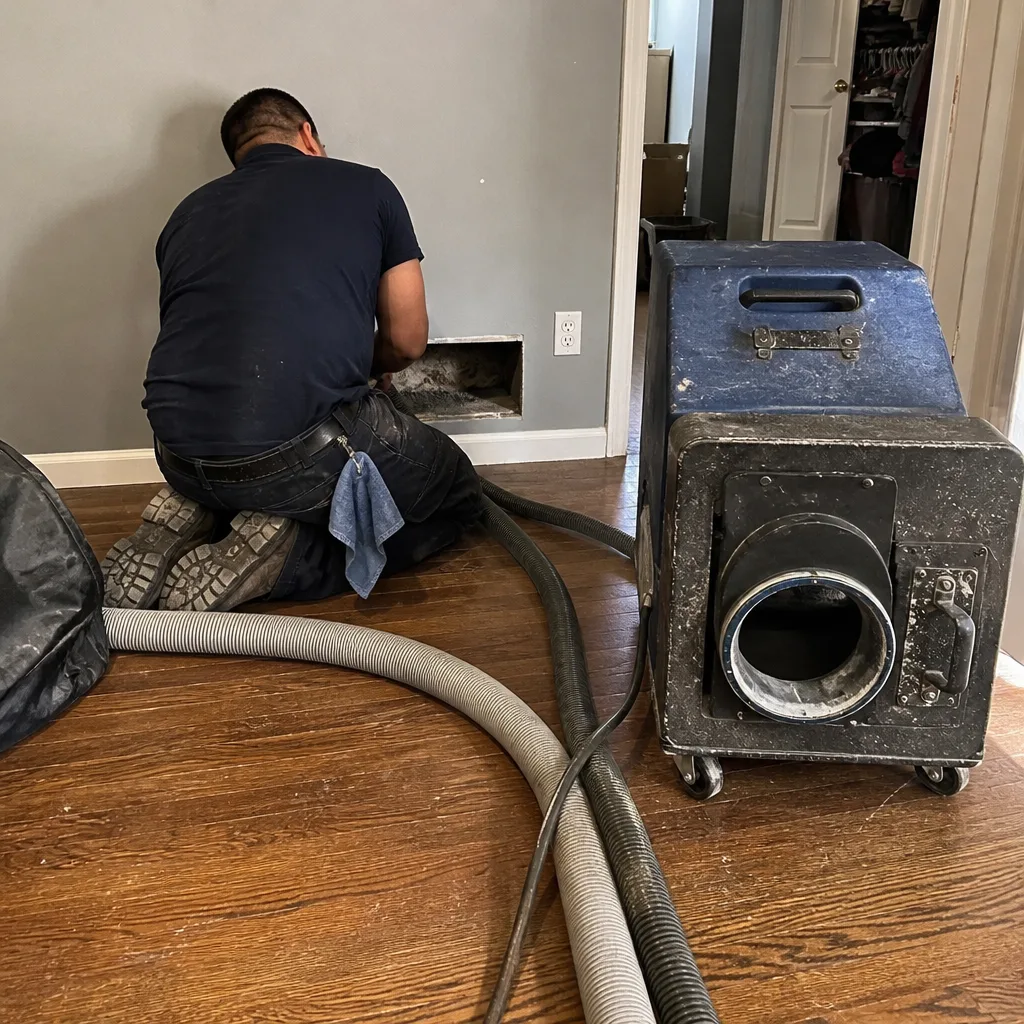 Before
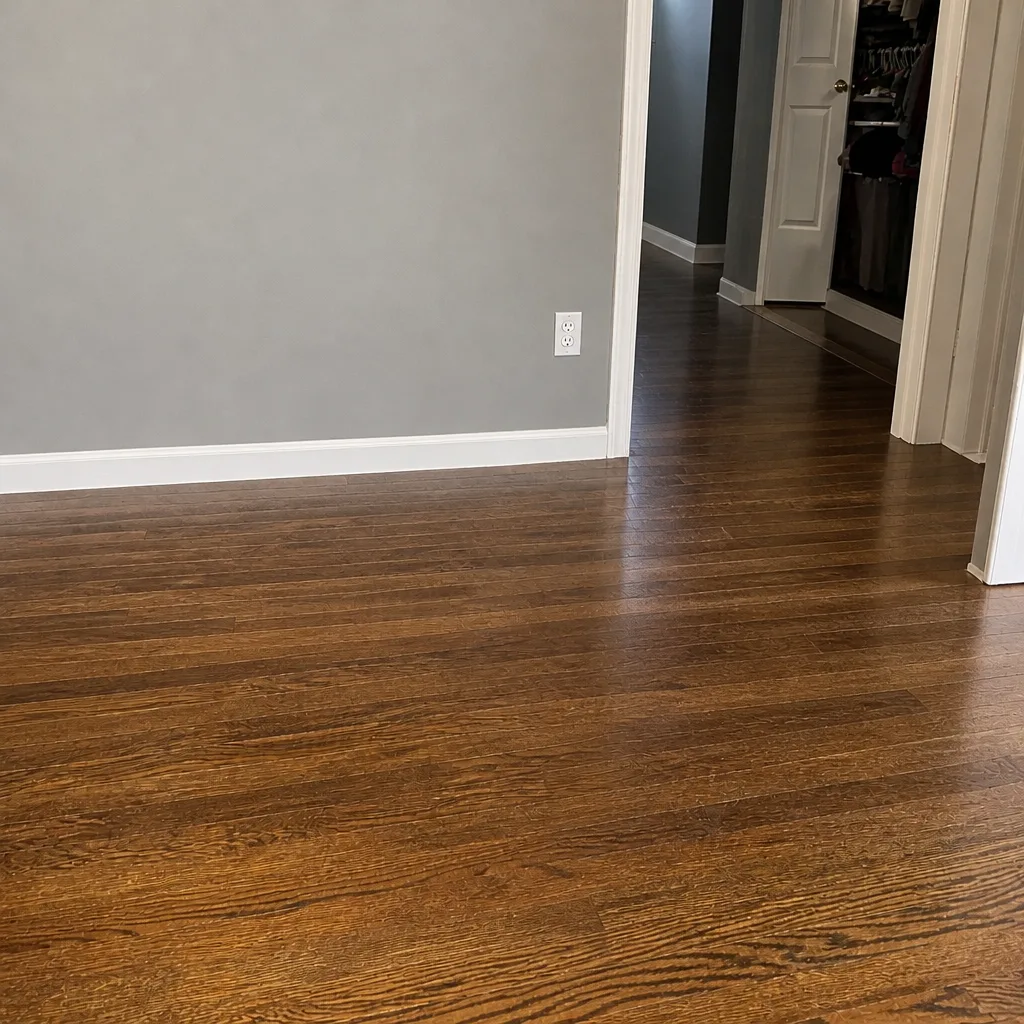 After
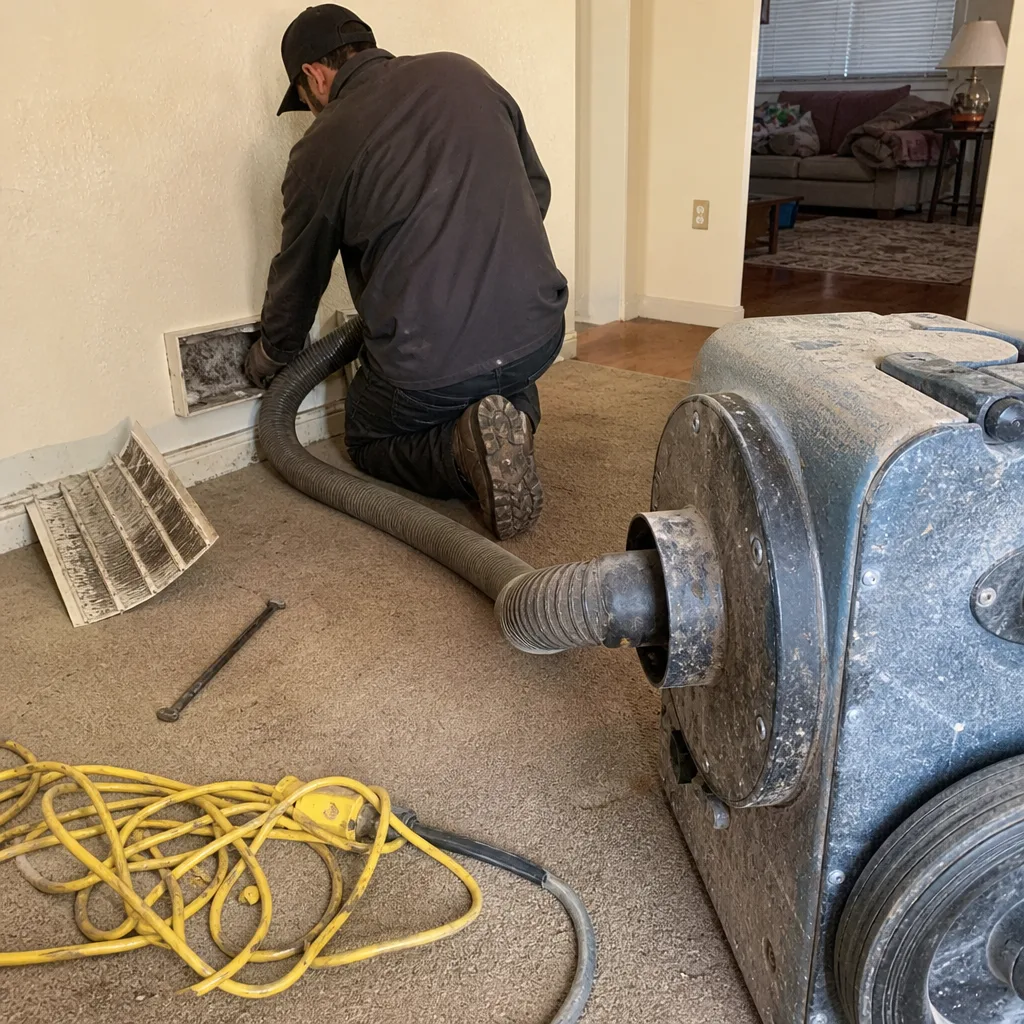 Before
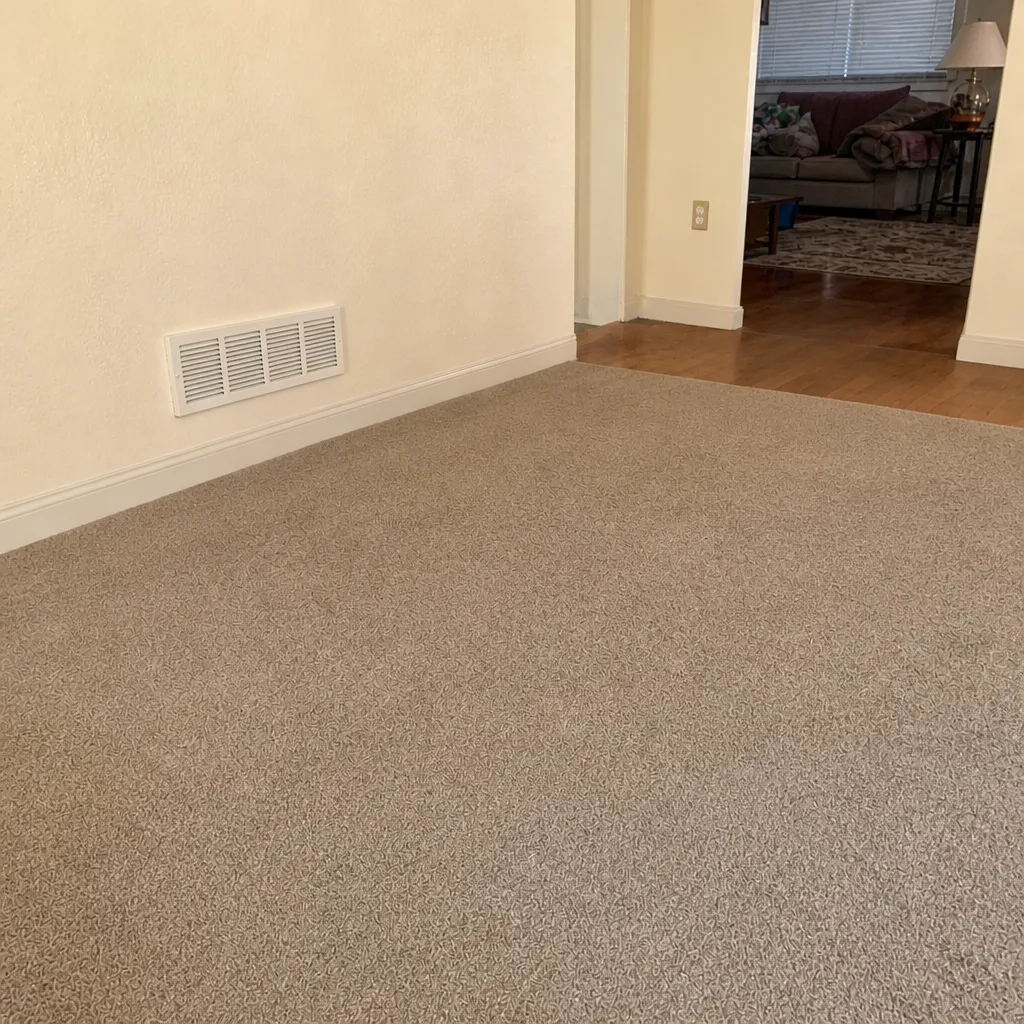 After
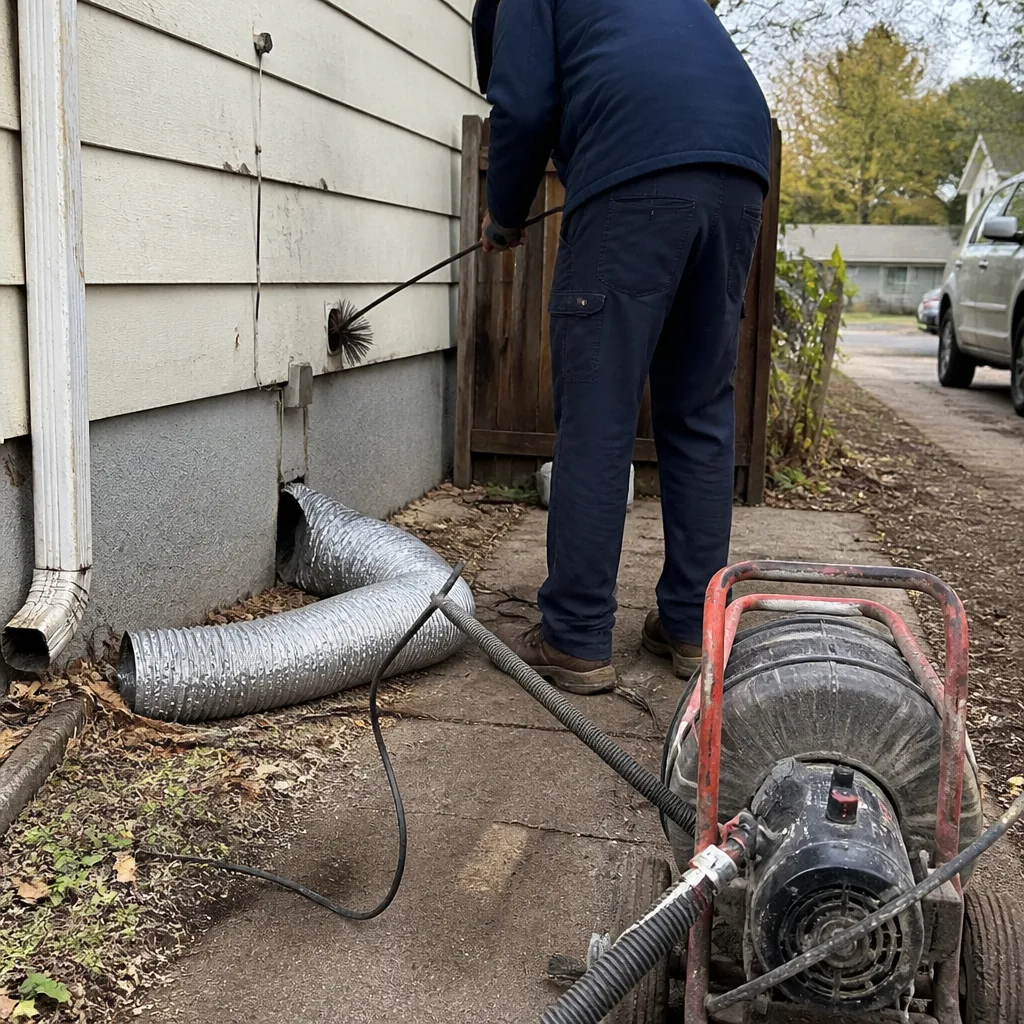 Before
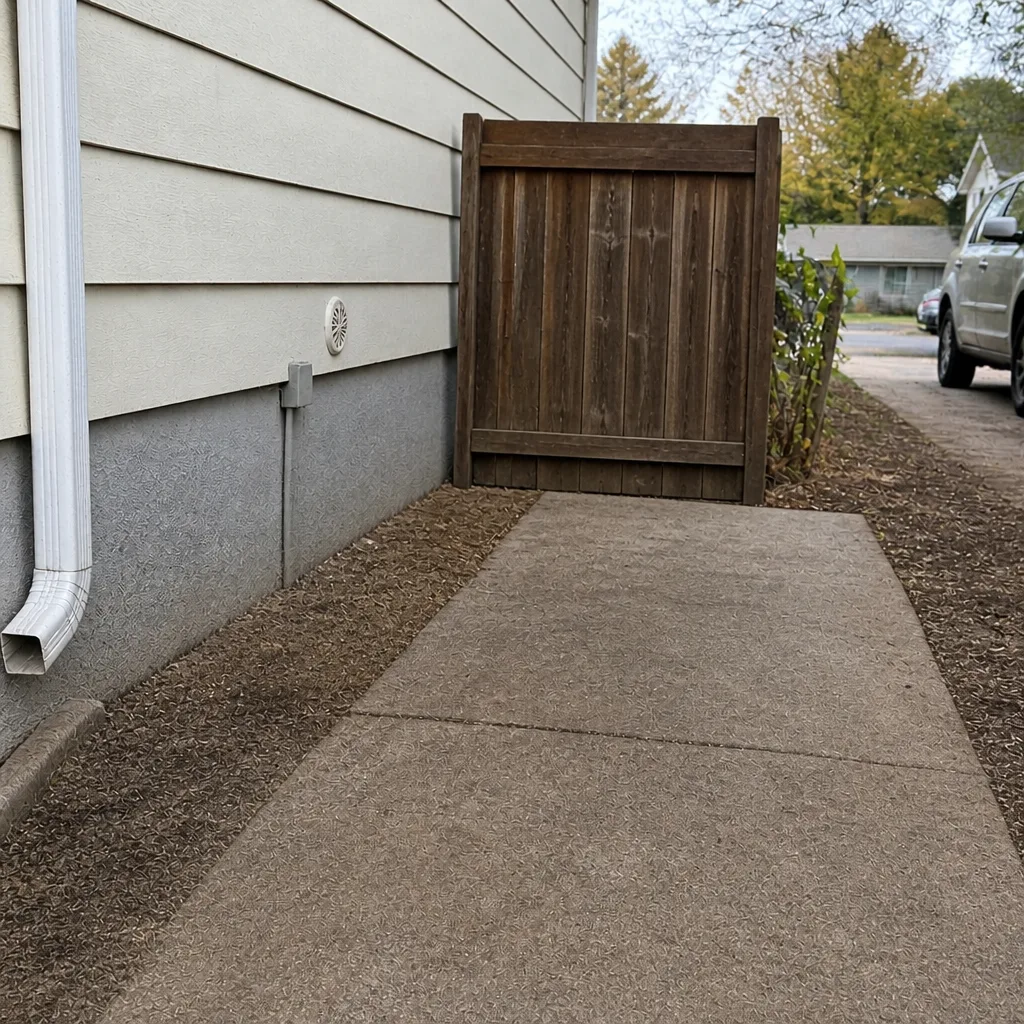 After
When to Call a Professional
Call a professional when you notice dusty vents returning within days of wiping them down, a musty odor that doesn’t lift after cleaning the house, or a heating and cooling system that runs noticeably longer than it used to. Rising energy bills without an obvious cause, allergy symptoms that worsen when the system runs, and visible dust plumes from a register when the blower kicks on are all signs worth an inspection. A standard air duct cleaning visit will confirm whether buildup in the trunk and plenum is the source. If the inspection finds biological growth or persistent odor, a sanitizing treatment using remediation-grade filtration addresses it. Air Duct Cleaning Harvey Park offers free estimates in Harvey Park, and the written estimate sets the price per job. Call (833) 660-4969 to schedule.
Frequently Asked Questions
Typical estimates for a full-system air duct clean in Harvey Park run from roughly $350 to $700 for a standard ranch home, and a larger or more complex layout can run higher. The written estimate sets the final price per job, and the estimate is free. Call (833) 660-4969 for an exact quote.
A cheap quote covers a smaller job: branch runs only, no trunk, no plenum, no verification. The price is lower because the scope is narrower, not because the company is more efficient. Ask any quote to spell out the components and the equipment before you compare them, and remember the written estimate sets the final price. Call (833) 660-4969 with questions about scope.
You know because you have proof: airflow measurements before and after, and before-and-after photos of your own ducts, including the trunk and plenum. If a company can’t produce both, the work isn’t verifiable. A written scope, photo set, and readings should arrive with the invoice. Call (833) 660-4969 for an estimate that includes verification as part of the job.
Most Harvey Park homes do well on a full-system clean every three to five years, but the right interval depends on inspection findings, not a fixed calendar. Homes with pets, recent remodeling, or a chronic occupant allergy may need it more often. At this elevation, the blower runs more hours per season, which tends to shorten the interval slightly. Call (833) 660-4969 to book an inspection and get a recommendation based on what’s actually in the ducts.
A truck-mount negative-pressure vacuum puts the entire duct system under vacuum, which is what you want at Harvey Park’s 5,400-foot elevation, where thinner air makes a portable unit’s airflow drop off fast over long duct runs. The full-system negative pressure is what keeps the loosened dust heading toward the vacuum rather than into your living room. Ask what equipment a company uses before you book.
Yes, dryer vent cleaning is one of our five core services, and it’s worth pairing with the HVAC cleaning. A clogged dryer vent is a fire hazard, and it’s a separate system from your HVAC ducts with its own cleaning schedule. Our dryer vent cleaning covers the full run from the dryer connection to the exterior termination. Call (833) 660-4969 to schedule both.
The Bottom Line
A complete air duct cleaning in Harvey Park means the full air pathway: supply trunks, return plenums, coil housing, drain pan, and branch runs, cleaned with rotary contact equipment under full negative pressure, then verified with airflow readings and camera inspection. The elevation here makes it matter more, because thinner air pulls more particulate through a system that’s already working harder. Don’t book on price alone. Ask what equipment, what scope, and what proof you’ll receive. A legitimate full-system clean, with the written estimate setting the price and photos of your own ducts in hand, is the only kind worth paying for. For HVAC cleaning alongside the ducts, or to schedule the full air-pathway service, call (833) 660-4969. We answer 24/7. Fast dispatch from 7am to 7pm, Sunday through Friday. Visit Air Duct Cleaning Harvey Park for service details and free estimates.
Written by the team at Air Duct Cleaning Harvey Park.